

 GMA Brandtalk
 Tracking
 Archives

Filipinos must build a ‘culture of preparedness’ as key to disaster resilience —officials
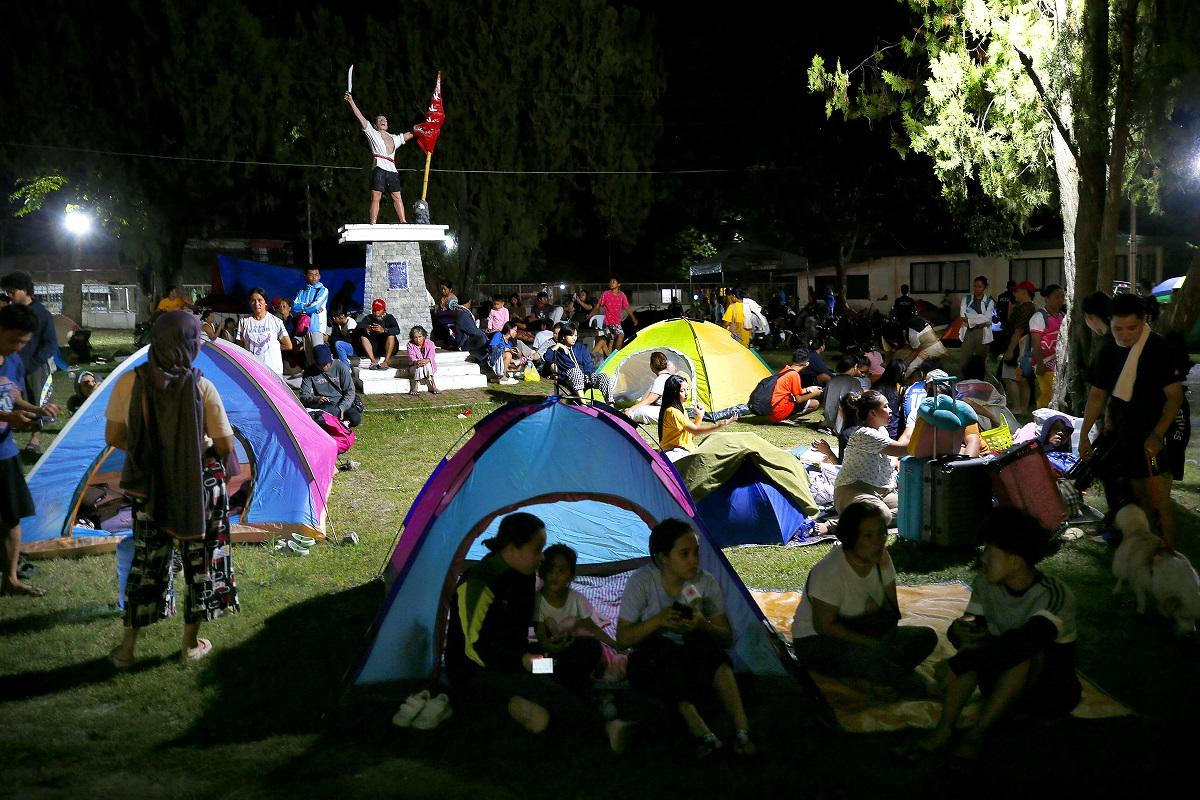
Filipinos must move beyond reaction and make preparedness part of their daily lives, disaster officials said during the International Day for Disaster Risk Reduction (IDDRR) commemoration held Monday at the SM Mall of Asia.
On Monday, panelists from the Office of Civil Defense (OCD), Bureau of Fire Protection (BFP), and ARISE Philippines underscored that preparedness is key to minimizing losses during calamities in one of the world’s most disaster-prone countries.
READ: PH most disaster-prone country — 2025 report
OCD Assistant Secretary Cesar Idio said communities must invest in resilience and long-term mitigation.
“We need to invest in resilience para sa ating proper preparedness for prevention and mitigation sa mga hazards. Lalong lalo na ngayon, sunod-sunod ‘yung mga earthquakes, typhoons, and secondary hazards,” Idio said.
(We need to invest in resilience for proper preparedness, prevention, and mitigation of hazards, especially now that earthquakes, typhoons, and secondary disasters happen one after another.)
The event carried the global IDDRR theme “Fund Resilience, Not Disaster,” which highlights the need to shift from reactive spending toward proactive measures that prevent loss and damage.
ARISE Global Board member and former National Disaster Risk Reduction and Management Council (NDRRMC) chief retired Vice Admiral Alexander Pama echoed the call, saying preparedness must be “habitual and reflexive.”
“Pag may nangyari, alam niyo na yung gagawin dahil sa kaalaman. Kasi marami kung nagpa-panic, maraming nakakalimutan kung anong gagawin, so develop the muscle memory,” he said.
((When something happens, you should already know what to do because of what you’ve learned. Many people panic and forget what to do—that’s why we need to develop muscle memory.)
He added that recovery should not only restore what was lost but build back stronger communities.
“So ‘yung mga reconstruction, rehabilitation ay nar-restore hindi lang sa original structure kundi more resilient sa mga hazards,” he said.
(Reconstruction and rehabilitation should restore not just the original structure but make it more resilient to hazards.)
For her part, engineer Liza Silerio of ARISE Philippines emphasized the role of the private sector in supporting government preparedness efforts, noting that business continuity and community partnerships are critical in building resilience.
Meanwhile, Fire Chief Superintendent Wilberto Rico Kwan Tiu of the BFP said disaster management must start before emergencies happen, not when damage has already occurred.
“It should be a package of everything that comes along the way. Kailangan natin paghandaan kasi hindi natin alam kailan,” he said.
(It should be a complete package. We need to prepare because we never know when it will happen.)
Kwan Tiu recalled the recent deployment of search and rescue teams in Cebu after an earthquake and said that response time should not be the focus.
“Disaster management is not about during response. It's about how fast you mobilize your resources. Hindi po pwede na mag-send tayo ng SAR team natin na kung kailan hindi na siya kailangan,” he said.
(We cannot send our SAR team only when it’s already too late.)
He also urged the public to stay informed and maintain communication during crises.
“Information dissemination is very simple but it's very vital kasi nga malaki yung magiging tulong. Like for example may nangyari hindi ka tumawag sa family mo… pero safe na safe ka but you failed to inform them,” he said.
(Information dissemination is simple but vital because it helps a lot. For example, if something happens and you don’t contact your family, they’ll panic even if you’re safe.)
Kwan Tiu further added that readiness must be personal and continuous:
“Alamin niyo kung saan kayo papunta, dapat handa yung sarili niyo, kung ano yung needs niyo dapat ready na. Kasi nga kung limited lang yung tingin natin on a day-to-day ng buhay natin, the risk is always higher,” he said.
(Know where you’re going, make sure you’re ready, and prepare for your needs. If we only think day-to-day, the risk is higher.)
The speakers collectively stressed that real resilience depends on how Filipinos internalize preparedness in their homes, schools, and workplaces.
“Make yourself ready and make yourself prepared every day of your life,” Kwan Tiu added. — BM, GMA Integrated News

