

 GMA Brandtalk
 Tracking
 Archives

DOE: PH among Southeast Asian leaders in nuclear power plant preps
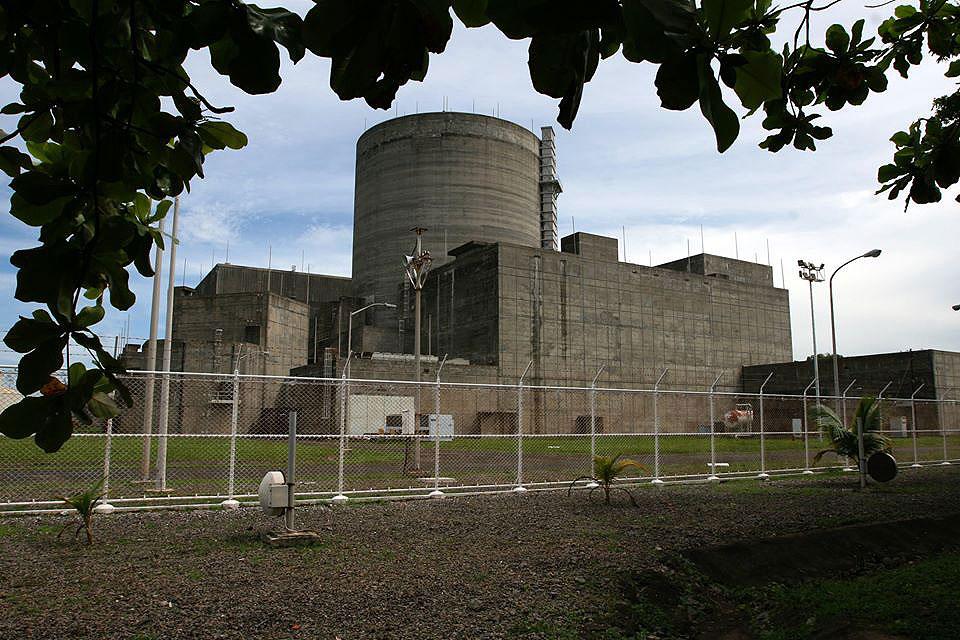
The Department of Energy (DOE) on Thursday said the Philippines is among the leading countries in Southeast Asia in terms of preparations for building a nuclear power plant.
Energy Secretary Sharon Garin confirmed this during the Senate Committee on Finance's deliberations on the proposed P3.8-billion budget of the agency for fiscal year 2025.
"Mr. Chair, hindi 'yun PR (public relations). Ever since 2022, with the new administration, medyo na-revitalize 'yung nuclear energy program inter-agency. It just took us time to get back on track," Garin said.
(Mr. Chair, that's not PR. Ever since 2022, with the new administration, the nuclear energy program inter-agency has been somewhat revitalized. It just took us time to get back on track.)
Senator Pia Cayetano, chairman of the Senate committee on energy, was asking the DOE of reports that the Philippines emerged as one of the "front-runners" in the nuclear deployment in Southeast Asia.
"Paano nangyari 'yun? Overnight naging front-runner tayo? May ginawa tayo—ano mga groundwork natin?" Cayetano asked.
(How did that happen? Did we become front-runners overnight? What did we do—what were our groundworks?)
"A year and a half ago, we have done nothing. Nothing! And then now, we're on the forefront. Ang galing talaga natin! (We're really good!) What happened? Who can update me? Kaninong PR 'yun? (Whose PR was that?)"
According to Garin, the DOE now has a nuclear division and a roadmap that was reviewed by the International Atomic Energy Agency, which received "good grades."
"Why are we being considered na nauuna sa (leading in) Southeast Asia? Because we have been steady," the DOE chief explained.
"Indonesia, at one point, was ahead of us, but hindi steady kasi their legislative medyo binawi ulit 'yung authority (Indonesia, at one point, was ahead of us, but it was not steady because their legislative authority was withdrawn). Vietnam is also getting ahead also. But it depends on the year... or it depends on the country. But comparatively, we are ahead of the rest, with the rest of the countries in Southeast Asia in preparation for building the power plant," she added.
Just last month, President Ferdinand Marcos Jr. signed into law the creation of an independent agency that will look into safe use of nuclear energy and radiation sources in the country.
The newly signed Republic Act 12305, or the Philippine National Nuclear Energy Safety Act, provides for the establishment of the Philippine Atomic Energy Regulatory Authority (PhilATOM), a quasi-judicial body that will oversee nuclear energy regulation.
Last August, the Nuclear Energy Program-Inter-Agency Committee (NEP-IAC) also started its comprehensive review of the country's current nuclear laws, regulations, and policies as the government explores possibilities in nuclear energy development. — VDV, GMA Integrated News

