

 GMA Brandtalk
 Tracking
 Archives

Japan, PH researchers unveil findings on flood risks in key Luzon river basins
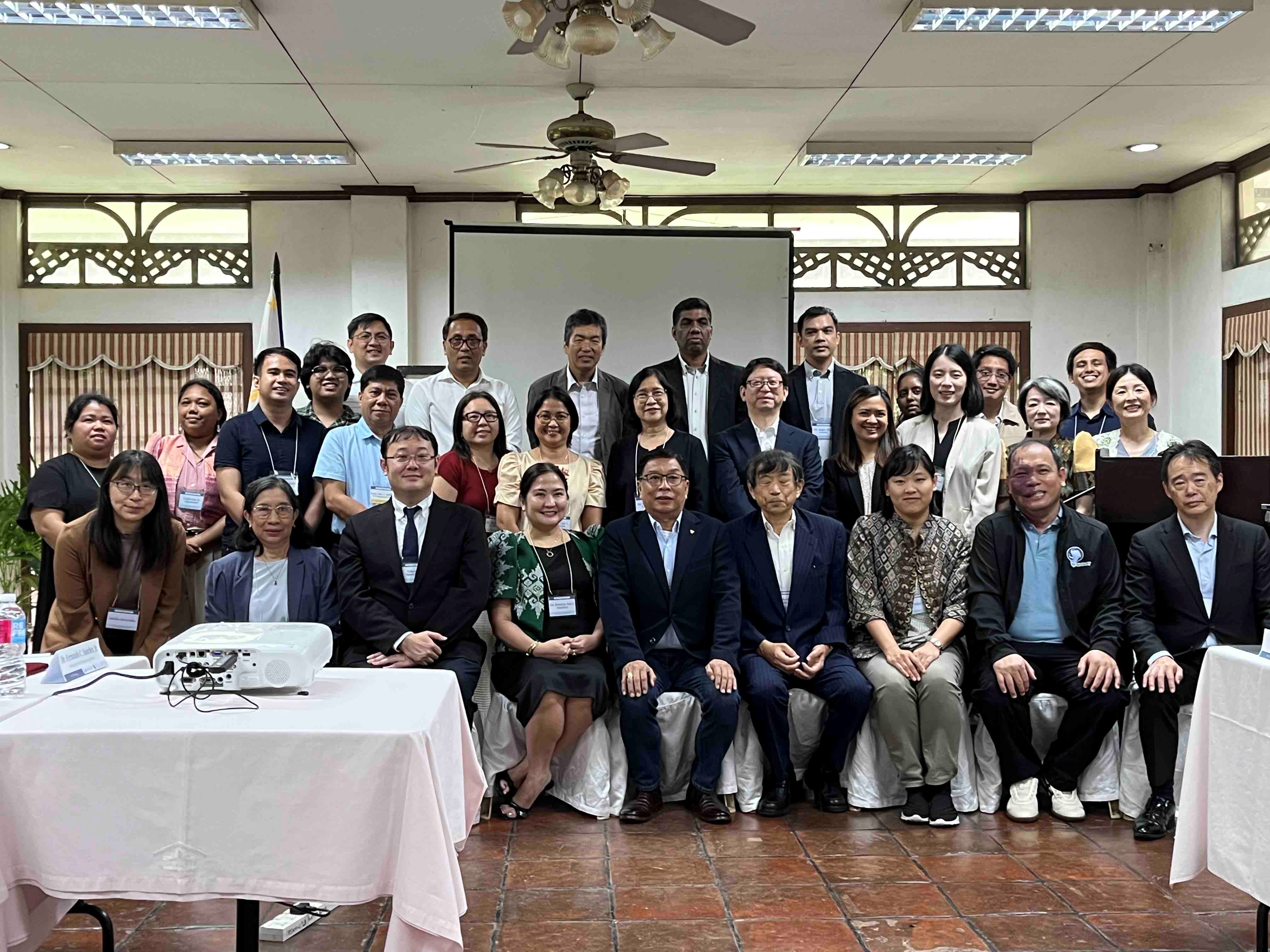
A recent study by Filipino and Japanese researchers has warned of more frequent extreme rainfall, prolonged dry spells, and increased flood risks in major river basins in Luzon.
Using a Hybrid Risk Assessment Model, the team studied climate and water-related disaster risks in the Pampanga River Basin and the Pasig-Marikina and Laguna Lake Basin.
The model integrated climatic, hydrological, agricultural, and socio-economic data to help strengthen the country’s disaster preparedness and climate resilience.
Developed under the Hybrid Water-Related Disaster Risk Assessment and Policy Development Project (HyDEPP), the model is a collaboration of the University of the Philippines Los Baños (UPLB), University of Tokyo, the International Centre for Water Hazard and Risk Management (ICHARM), and key agencies including the Department of Science and Technology (DOST).
The research is supported by the Japan International Cooperation Agency (JICA) and the Japan Science and Technology Agency (JST) through the Science and Technology Research Partnership for Sustainable Development (SATREPS) program.
Findings were presented at the 9th and Final Joint Coordinating Committee (JCC) Meeting and National Workshop for HyDEPP on Nov. 12.
Among the key findings were projections of more frequent extreme rainfall and extended dry spells in the Pampanga River Basin, which could exacerbate flood and drought conditions.
The report recommended revising land-use and infrastructure plans to account for climate projections and promoting climate-resilient watershed management.
In the Pasig-Marikina and Laguna Lake Basin, the study highlighted deeper flooding and higher sediment inflows that may worsen inundation in lakeshore communities and degrade water quality.
Solutions included enhancing urban drainage systems, developing upland communities, and conducting comprehensive analyses of sediment and runoff behavior.
“The HyDEPP project has successfully linked scientific research with policymaking, enabling us to better understand and respond to the growing risks of floods and droughts caused by climate change,” JICA said in a statement.
The workshop also included discussions on socio-economic impacts, use of big data for disaster planning, and community insights from local consultations in Pampanga and Laguna.
Beyond research, HyDEPP-SATREPS has provided training programs in Japan and the Philippines to build the capacity of Filipino scientists and institutions like UPLB. Equipment such as laptops, data servers, and monitoring tools were also donated to support ongoing research and policy development.
JICA, the world’s largest bilateral aid agency with operations amounting to P2.8 trillion in FY 2023, supports countries through technical cooperation, ODA loans, grants, and disaster relief. — JMA, GMA Integrated News

