

 GMA Brandtalk
 Tracking
 Archives

SC dismisses, disbars judge over murder of colleague
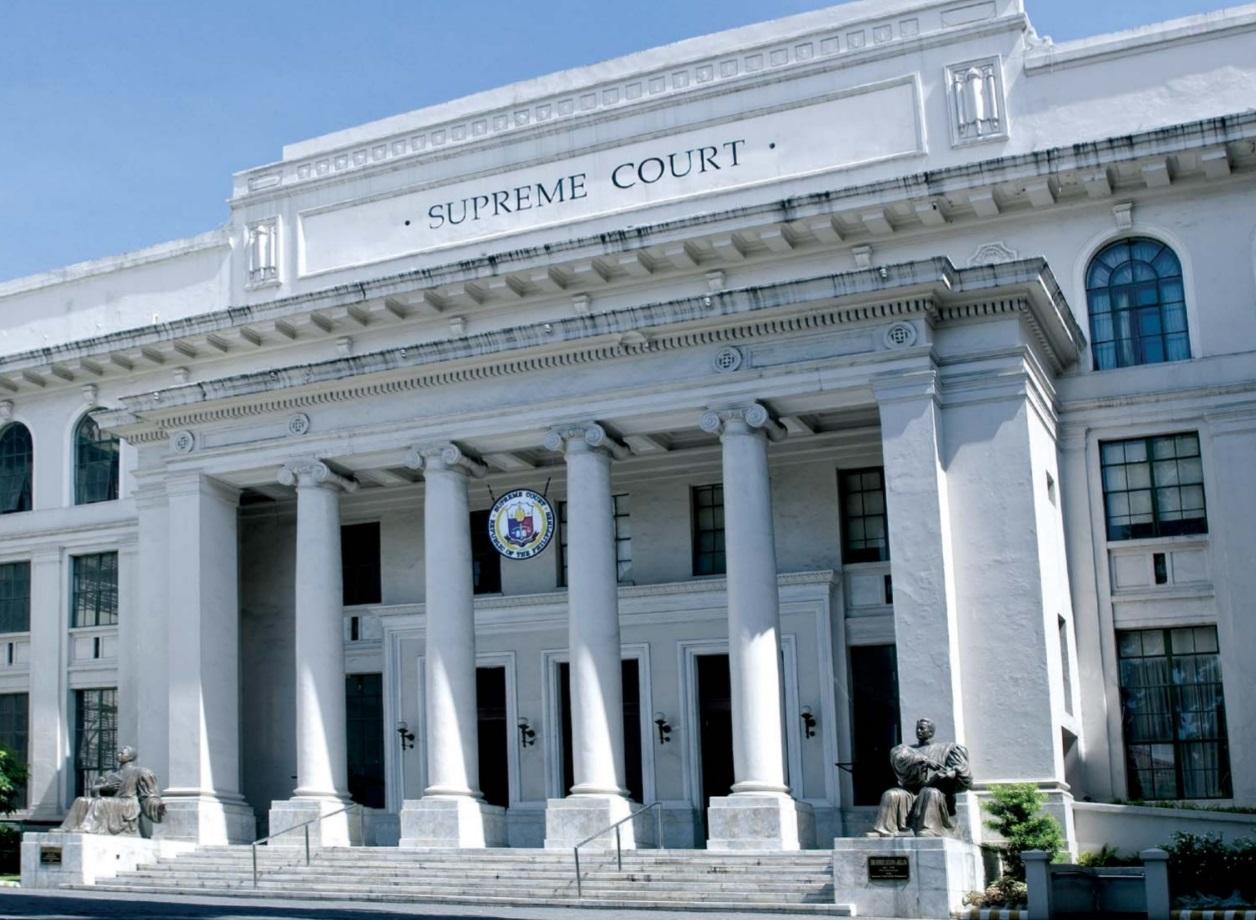
The Supreme Court has ordered the dismissal from service and the disbarment of a presiding judge in a Liloy, Zamboanga del Norte regional trial court for his alleged links in the killing of a fellow judge in 2019.
In a 15-page decision, the SC En Banc found Judge Oscar Tomarong guilty of commission of a crime involving moral turpitude under Rule 140 of the Rules of Court as amended, and of gross immorality under the Code of Professional Responsibility and Accountability.
The ruling was issued following the disciplinary proceedings initiated by the Judicial Integrity Board (JIB), which stemmed from Tomarong’s criminal conviction for allegedly planning the murder of Judge Reymar Lacaya, then presiding judge of RTC Branch 11 in Sindangan, Zamboanga del Norte.
In March 2019, the SC issued an administrative circular, swapping the stations of the two judges. Come May, after Lacaya finished court hearings in Branch 28, gunshots were heard as he walked to his vehicle parked behind the court building.
Lacaya reportedly died from gunshot wounds.
During the criminal trial, Department of Public Works and Highways (DPWH) employee Juliber Cabating, who also served as Tomarong’s errand aide, testified that Tomarong ordered him to look for a killer for Lacaya and a certain Pia Arances.
After Arances’ death, Cabating claimed he hired killers for the murder of Lacaya, who were paid P250,000 through Tomarong.
Cabating, however, said Tomarong later on informed him of problems related to the killing of the two, and told him that it would be better if he went to jail for the crimes instead of the judge.
Cabating eventually surrendered to the National Bureau of Investigation where he made his extrajudicial confession.
The SC reiterated that murder is a crime involving moral turpitude, a serious offense that warrants dismissal under the Rules of Court. Moral turpitude refers to acts that are grossly immoral, dishonest, and go against one’s duty to society.
The SC described Tomarong’s actions as among the worst violations of the duties that judges are expected to embody.
“The crime involved is a patent breach of the very essence of what it means to be a judge who carries the obligation and privilege of serving the people. At a time when the rise in the attacks against judges has even necessitated the adoption of measures to protect judges, a judge committing the murder of a fellow judge must be punished swiftly and severely,” the decision read.
Although Tomarong’s criminal conviction is still on appeal, the SC ruled that a final conviction is not required to impose administrative penalties.
The SC said it is convinced that there is substantial evidence proving that Tomarong hired killers to murder Lacaya, based on the testimony of Cabating, as corroborated by other witnesses and by other pieces of evidence on record.
The SC also emphasized that no one is above the law, including members of the Judiciary.
“The Judiciary’s task of maintaining the people’s trust is undermined whenever judges neglect their duties, and worse, violate the laws that they are supposed to uphold. This case is the Court’s proof of its commitment to the public that no judge who so callously breaches the law and perpetrates an injustice will go unpunished,” the decision added. —AOL, GMA Integrated News

