

 GMA Brandtalk
 Tracking
 Archives

China condemns Philippine Senate resolution vs. embassy remarks; Tito fires back
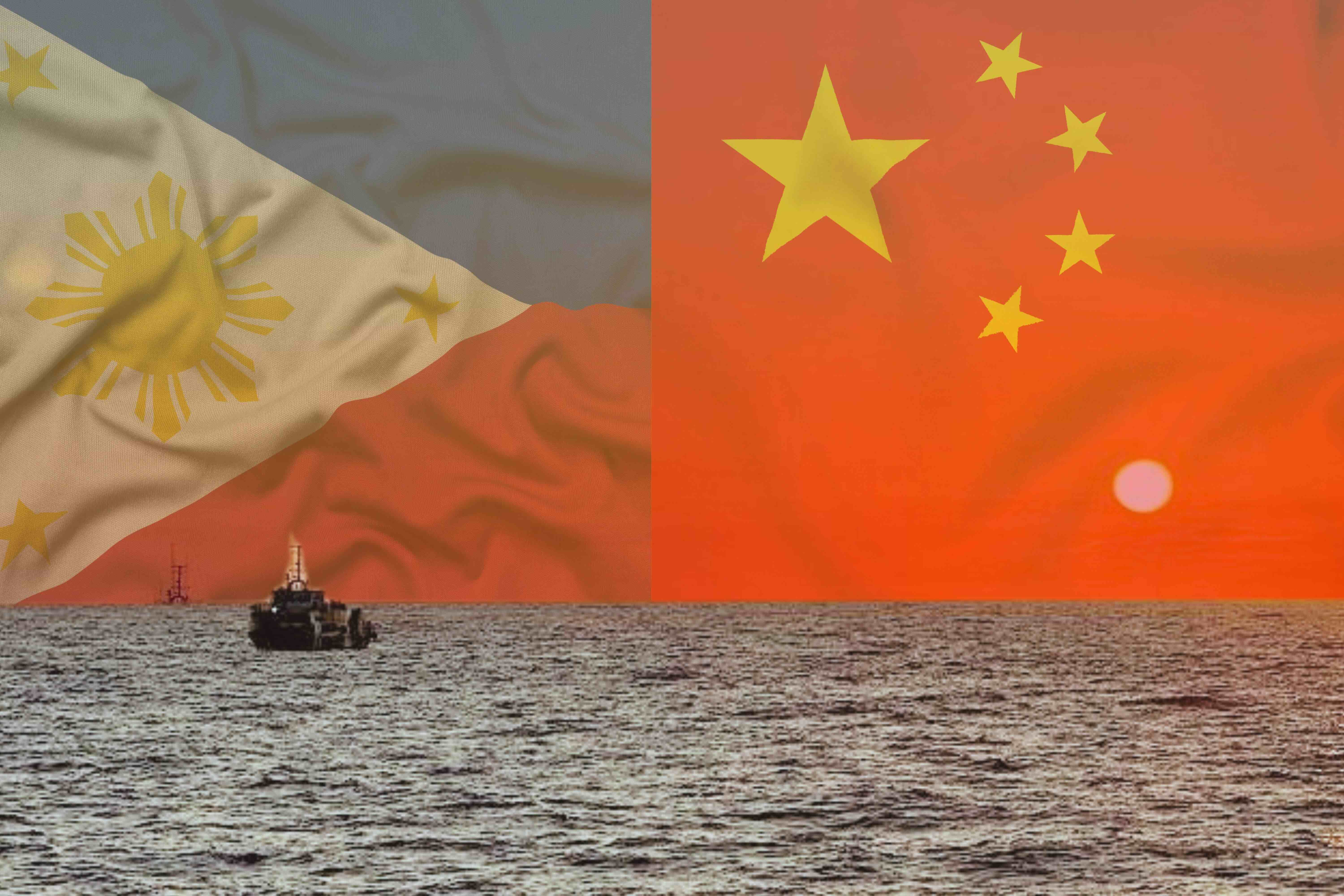
China on Tuesday condemned what it called an “anti-China” resolution after the Philippine Senate adopted Resolution No. 256, which criticized remarks by the Chinese Embassy in Manila against Filipino officials who challenged Beijing’s actions in the West Philippine Sea.
Chinese Embassy spokesperson Ji Lingpeng said the senators knew “little about how diplomacy works” in criticizing Beijing, drawing a sharp rebuke from Senate President Vicente “Tito” Sotto III, who said the same criticism could be applied to the Chinese official.
“We firmly reject and strongly condemn the said anti-China resolution. Some Philippine legislators repeatedly resort to threats and intimidation against Chinese diplomats,” Ji said.
“They claim to represent public opinion but actually twist facts and mislead the public. The said Senate resolution is nothing but a political stunt,” he added.
The Senate resolution condemned statements from the Chinese Embassy that, according to lawmakers, targeted Philippine officials supporting the country’s claims in the West Philippine Sea.
It also urged the Department of Foreign Affairs (DFA) to take necessary diplomatic measures to uphold the dignity of the Philippines and ensure relations with other states follow international law and established diplomatic principles.
Ji expressed dismay at how Philippine officials reacted to what he described as an “insult” to the Chinese leader.
“Put it this way: if a foreign official spokesperson were to insult or attack the Philippine head of state, national heroes, or religious leaders, would they stay silent and pretend nothing happened?” he said.
“The said Senate resolution is nothing but a political stunt,” Ji added.
According to the Chinese official, the senators’ actions were “for their own political interest” and undermined efforts to improve China–Philippines relations.
“Such behavior only disgraces themselves. However, the price of their hypocrisy, ignorance, and recklessness is paid by the ordinary people,” he said.
Ji said the embassy would continue advancing China–Philippines cooperation despite the resolution.
“No matter how many anti-China resolutions these people introduce, whether it’s 10 or even 100, it will not in the slightest weaken the Chinese embassy’s resolve,” he said.
Sotto pushed back against the embassy’s remarks, saying the official was attempting to silence the Senate.
“He is claiming that we are intimidating Chinese diplomats, yet he continues to speak disrespectfully against us and calls the Senate resolution a mere political stunt,” Sotto said.
“I can say the same thing to him—that he knows little about how diplomacy works. Respect begets respect,” he added.
In a separate statement, Senator Francis “Kiko” Pangilinan, the author of the resolution, said China’s response violated the Vienna Convention and reinforced perceptions of China as a bully.
“We rest our case and reiterate our call for the DFA to take the necessary diplomatic measures to uphold the dignity of the Republic of the Philippines and to ensure that relations with other states are conducted in accordance with international law and established principles of state relations,” Pangilinan said.
Pangilinan and other senators said the Chinese Embassy had crossed the line “from legitimate expression of a foreign state’s views into interference in our domestic democratic debate.”
The exchange comes amid ongoing diplomatic tensions between Manila and Beijing, including disputes involving the Philippine Coast Guard and Commodore Jay Tarriela, who has criticized China’s presence in the West Philippine Sea.
Chinese diplomats reportedly filed formal protests against Tarriela and summoned the Philippine ambassador to Beijing to discuss his remarks.—MCG, GMA Integrated News

