

 GMA Brandtalk
 Tracking
 Archives

Music that defined the 1986 People Power uprising
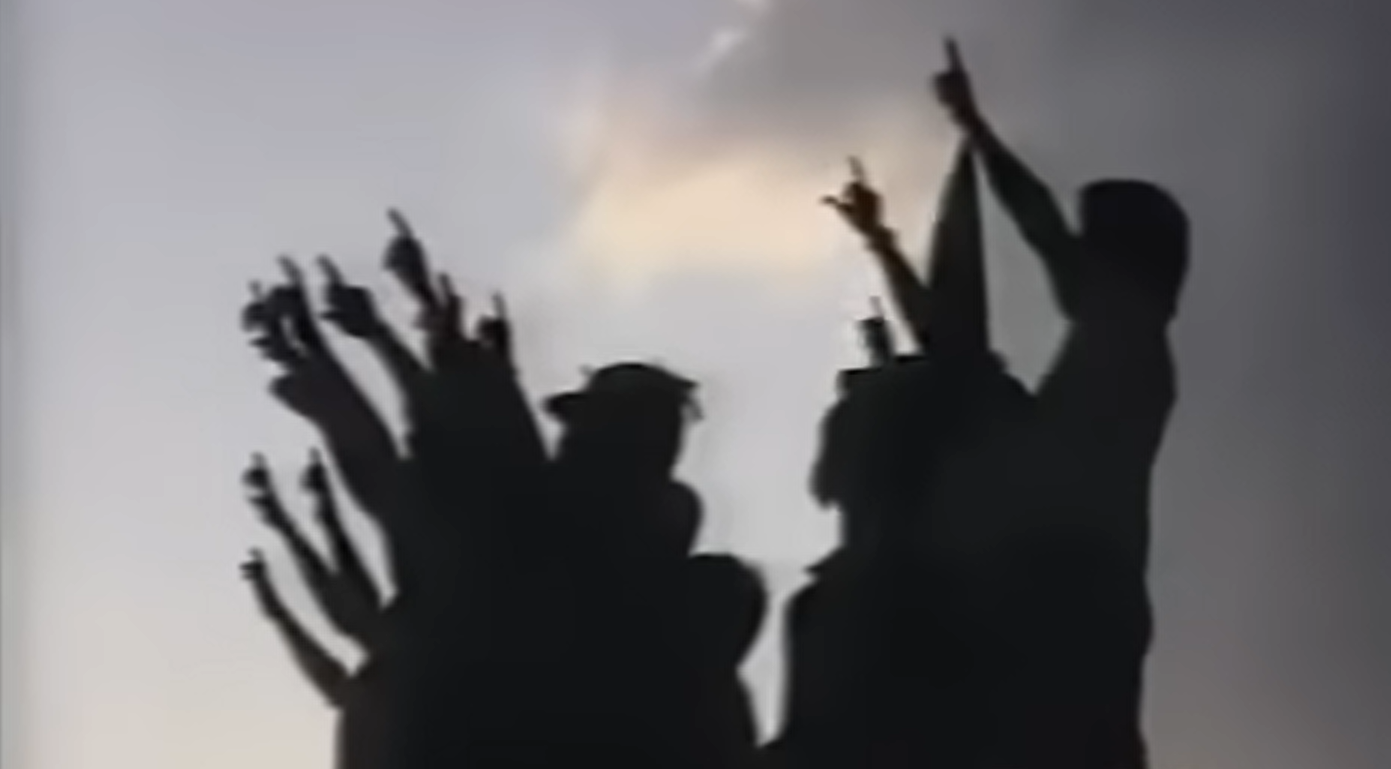
Aside from the historic protest actions along Epifanio de los Santos Avenue (EDSA), several songs became enduring symbols of Filipinos’ call for democracy during the 1986 People Power uprising.
According to Oscar Oida’s Monday report on "24 Oras," the sound of a guitar playing a folk-rock rendition of "Bayan Ko" once quieted a gathering ahead of the 1986 snap elections.
The song had been banned during Martial Law for allegedly inciting rebellion, yet it continued to be sung at protest actions during the administration of Ferdinand Marcos, Sr.
“Bayan Ko” was also performed during the funeral procession of Benigno Aquino Jr. and later echoed through crowds at EDSA, led by musician Freddie Aguilar.
Dr. Raul Navarro of the UP College of Music explained that the song, originally written in 1920 about foreign occupation, found renewed meaning during the Marcos era as it mirrored the repression of freedoms under dictatorship.
On Feb. 23, 1986, then-senator and composer Tito Sotto was unable to leave a recording studio as people began gathering along EDSA. He went on to compose "Magkaisa" with Homer Flores and Ernie Delapeña, performed by then 19-year-old singer Virna Lisa.
Lisa recalled being careful in interpreting the song, aware that it could evoke both deep emotion and hope among listeners.
Another defining anthem, "Handog ng Pilipino sa Mundo," was written by Jim Paredes after witnessing the events of the uprising.
The song was performed by artists who themselves had lived through Martial Law.
“It was the easiest thing I ever wrote. No hesitation—talagang flow, real flow,” Paredes said.—Mariel Celine Serquiña/MCG, GMA Integrated News

