

 GMA Brandtalk
 Tracking
 Archives

Experts: PH schools overfocus on literature, neglect life skills
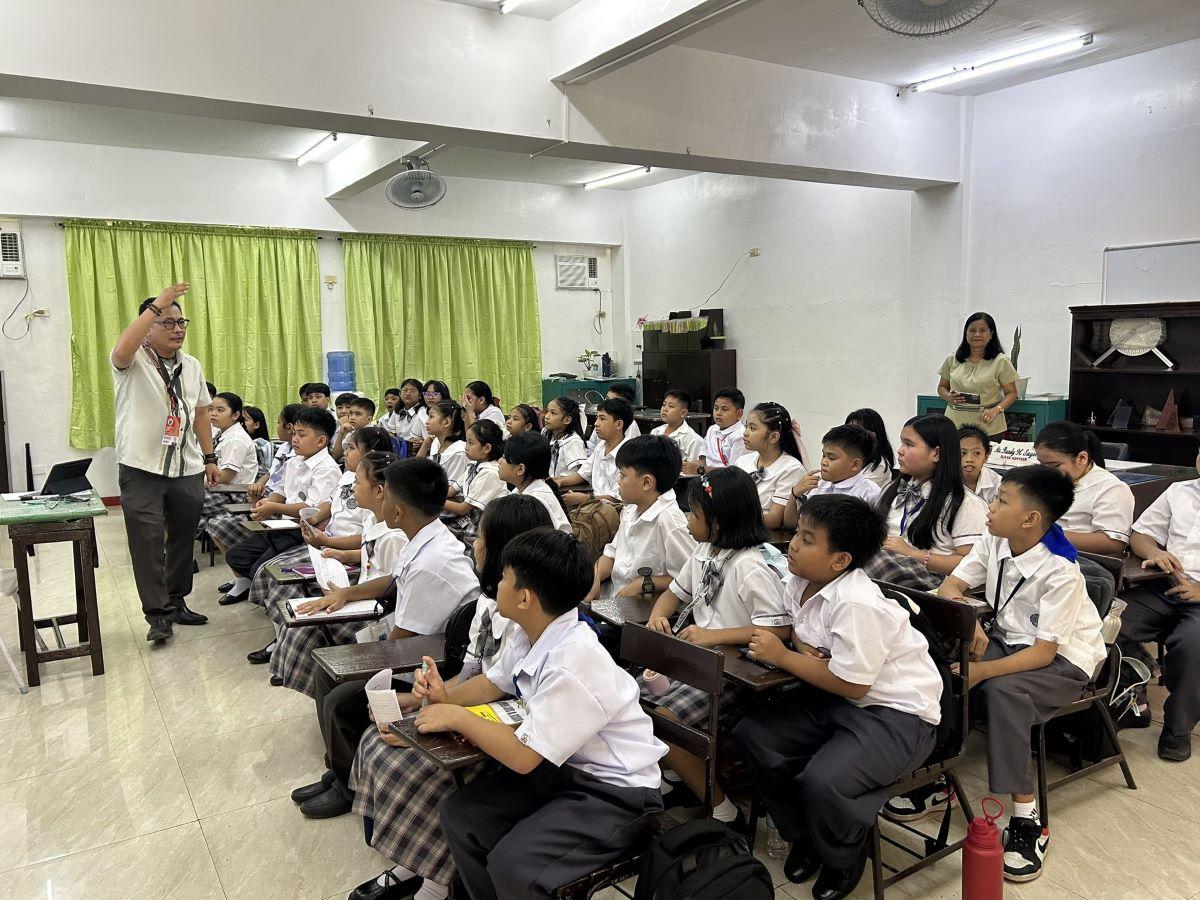
The Philippines may be emphasizing literature too heavily in classrooms while neglecting practical, life-ready skills, an education expert told senators Tuesday as they examined the country’s worsening literacy crisis.
During a Senate Committee on Basic Education hearing on literacy, University of the Philippines (UP) College of Education professor Lizamarie Campoamor-Olegario noted that low proficiency levels, especially among Grade 12 students, may reflect a mismatch between how literacy is taught and how it is applied in real life.
She cited practical reading skills—such as interpreting medicine labels, following written instructions, or understanding financial information—that are not consistently taught in schools.
"Itinuturo ba sa classroom ang pagbabasa ng gamot? Hindi. Pero kailangan iyon,” she said.
(Are students taught in the classroom how to read medicine labels? No. But that’s necessary.)
Olegario added that similar gaps exist in mathematics instruction.
“In math, hindi masyadong nadidiscuss ang money, kahit iyon ang pinakaimportante sa mathematics sa totoong buhay,” she said.
(In math, money is not discussed much, even though it is one of the most important real-life applications.)
Proficiency, employability
The discussion followed concerns raised by Senator Bam Aquino over data from the Second Congressional Commission on Education (EDCOM II), showing that less than 1% of Grade 12 students are considered proficient.
“Kapag sinabi natin na 0.4 percent lang ang proficient sa Grade 12, nais kong mas maintindihan nang mas malalim anong ibig sabihin noon,” Aquino said.
(When we say that only 0.4 percent are proficient in Grade 12, I want to understand more deeply what that really means.)
He questioned whether low proficiency suggests graduates may struggle with basic instructions, workplace manuals, or global literacy demands.
Aquino noted that senior high school was introduced to prepare students for employment, even without college, but the country lacks a clear literacy benchmark tied to job readiness.
Beyond literary reading
Olegario pointed out that international assessments, such as the Programme for International Student Assessment (PISA), show Filipino students performing relatively better in traditional literary reading but weaker in applied literacy—the kind that involves interpreting real-world texts and solving practical problems.
“Yan ang sinasabi ng mga taga-PISA — mataas ang scores natin sa literature pero mababa sa ibang areas ng literacy,” she said.
(That’s what PISA results indicate — our scores are higher in literature but lower in other areas of literacy.)
She suggested that improving literacy outcomes may require shifting classroom focus from literary analysis alone toward functional and life skills.
“Magmo-move away tayo sa focus ng literature lang,” she said.
(We need to move away from focusing only on literature.)—MCG, GMA Integrated News

