

 GMA Brandtalk
 Tracking
 Archives

Sotto bats for strategic petroleum reserve for energy security
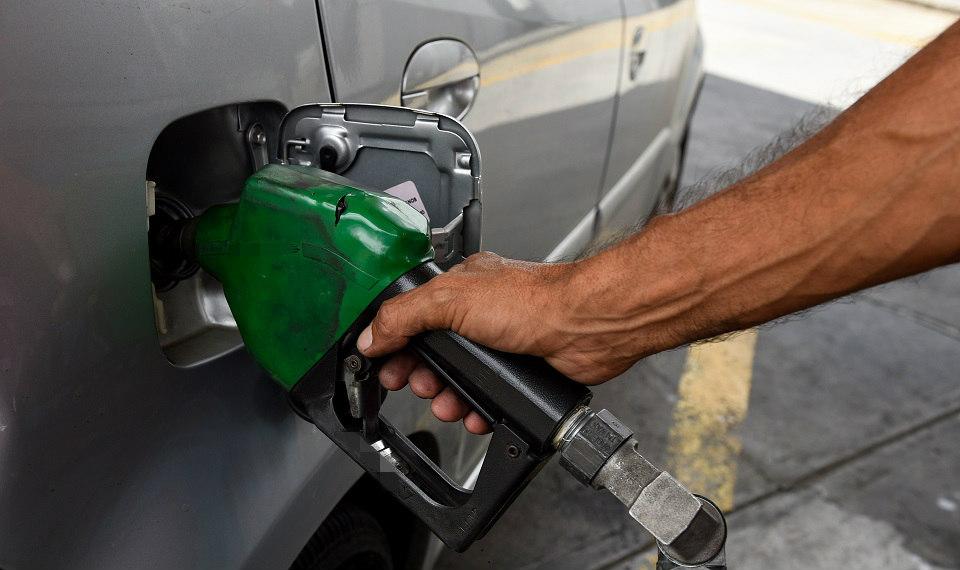
Senate President Vicente “Tito” Sotto III has filed a measure seeking to establish a national petroleum reserve to enhance the country’s energy security and protect consumers from extreme price instability amid rising tensions in the Middle East.
Under Senate Bill No. 1934 filed on Wednesday, March 4, a strategic petroleum reserve owned and managed by the national government through the Department of Energy (DOE) will be formed, mandating the maintenance of petroleum stocks equivalent to at least 90 days of the country’s average national consumption.
Reserve facilities to be established nationwide shall also store crude oil and refined petroleum products, including diesel, gasoline, jet fuel, liquefied petroleum gas, and other energy products deemed critical by the DOE.
The President may authorize the release of reserve stocks, upon recommendation of the Strategic Energy Security Council.
This is provided that there are severe supply disruptions, a declaration of a national emergency, an extraordinary price volatility threatening economic stability, or natural disasters affecting fuel logistics.
“At present, the country does not maintain a comprehensive, state-managed strategic petroleum reserve capable of cushioning prolonged supply interruptions. While private oil companies maintain commercial inventories, these are not designed nor mandated to serve as national emergency reserves,” Sotto said in the bill’s explanatory note.
“In a world defined by uncertainty, preparedness is not optional. It is a responsibility. The establishment of a Strategic Petroleum Reserve is a forward-looking investment in national stability, economic continuity and sovereign resilience,” he added.
VAT, excise tax
Senator Erwin Tulfo, meanwhile, filed Senate Bill No. 1935 on Thursday to push for an automatic suspension of Value-Added Tax (VAT) and excise taxes on fuel once the average Dubai crude oil price reaches $80 per barrel.
“This measure establishes a clear and objective trigger for relief especially with unprecedented external events that can have a trickle-down effect on oil prices such as what is going on in the Gulf Region,” Tulfo said.
He said the measure will also provide temporary relief especially to minimum-wage earners amid the crisis.
“Ito po ‘yung in preparation, anticipation na pagtaas ng mga fuel prices dahil papunta na po tayo doon. We’re just waiting and we don’t know when it would be,” Tulfo said in a press conference on Thursday.
(This is in preparation and anticipation of the increase in fuel prices because we are going there. We’re just waiting and we don’t know when it would be.)
Earlier, Malacañang said President Ferdinand “Bongbong” Marcos Jr. intends to certify as urgent the proposed measures that will give him the authority to reduce excise taxes on oil products.
On Tuesday, Marcos said he will talk to congressional leaders to give him the authority to reduce excise taxes on petroleum products once the price of Dubai crude exceeds $80 per barrel. — JMA, GMA Integrated News

