

 GMA Brandtalk
 Tracking
 Archives

Win Gatchalian pushes fuel rationing to extend PH fuel supply
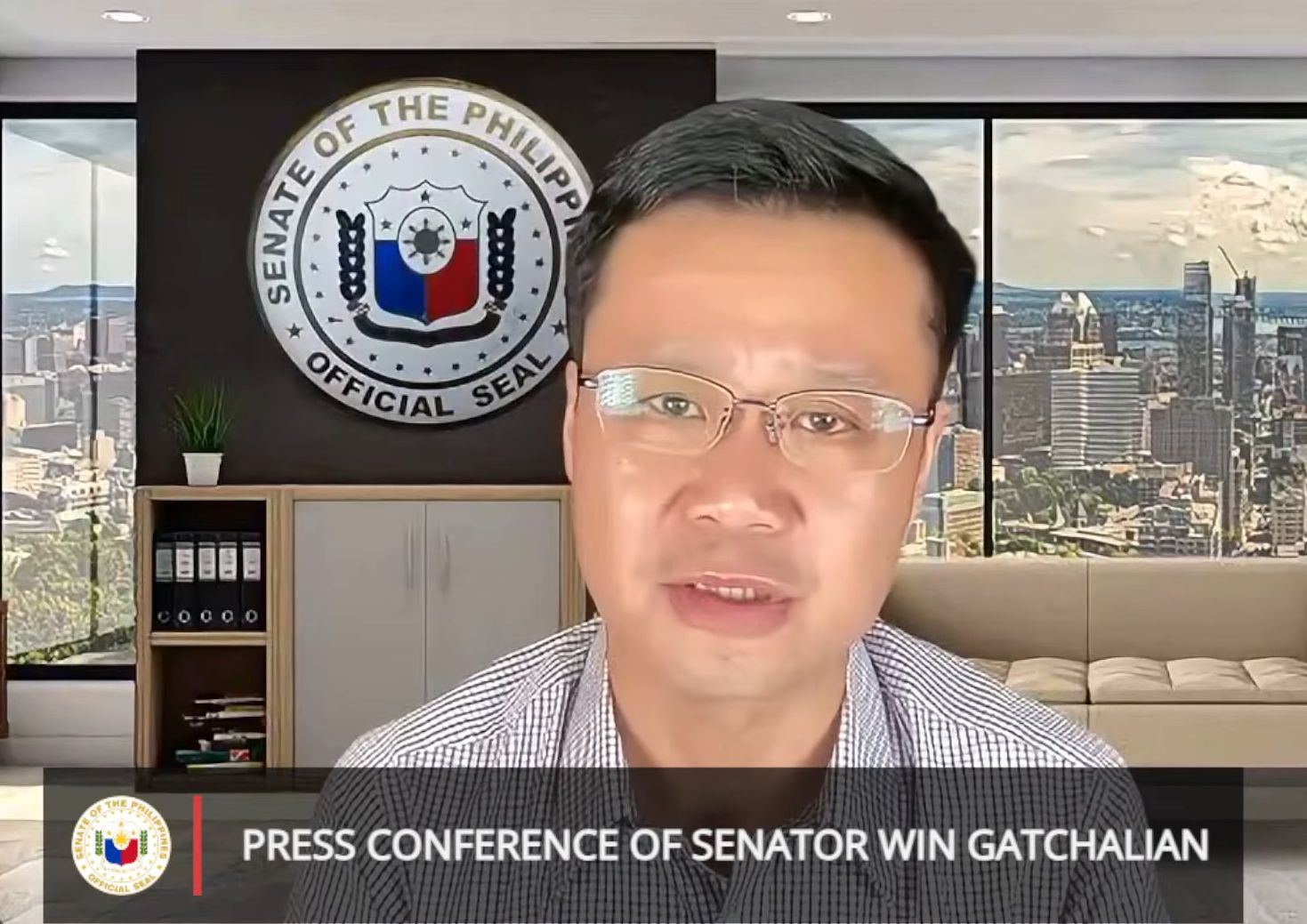
Sen. Sherwin Gatchalian has urged the Department of Energy (DOE) to explore the possibility of implementing a fuel rationing scheme amid tight global supply driven by heightened tensions in the Middle East.
Gatchalian, who chairs the Senate Committee on Proactive Response and Oversight for Timely and Effective Crisis Strategy (PROTECT), said in a preliminary report that rationing could help stretch the country’s fuel supply and prevent hoarding during the crisis.
He said the proposed policy could remain in place until the country’s fuel supply becomes more stable.
“Nagpadala ng report sa akin ang DOE—51 days ang average inventory natin. LPG ang shortest at 34 days… May mga padating, sinabi ng Pangulo. Pero kahit bilangin mo ‘yung mga padating, good for additional 10 days lang,” Gatchalian said in a Zoom interview with reporters.
(The DOE sent me a report—our average inventory is 51 days, with LPG the shortest at 34 days… There are incoming supplies, according to the President. But even if you include those, it’s only good for an additional 10 days.)
"We should prepare for rationing to extend the number of days. If we still can’t secure more than 10 days, my advice is to start rationing non-essential services because we cannot ration when supplies are nearly depleted," he said.
Gatchalian said early implementation of rationing could extend fuel availability from 51 days to as much as 90 days or longer.
“I know it’s unpopular. Hindi siya popular at this point, but this is reality. Hanggang 51 days lang ang fuel natin. If we wait, magkaka-problema tayo. So mas maganda i-extend natin para maka-survive at makatawid tayo,” he said.
(I know it’s unpopular. It’s not a popular policy, but this is the reality. Our fuel only lasts 51 days. If we wait, we’ll run into problems. It’s better to extend it so we can get through the crisis.)
Gatchalian said he has been consulting with private sector stakeholders, many of whom expressed openness to the proposal given the current situation.
He added that essential services such as ambulances, fire trucks, police vehicles, and coast guard vessels would be exempted from any rationing scheme.
He also urged public officials, including lawmakers, to avoid using vehicle convoys to conserve fuel.
“‘Yung hagad kasi, minsan isang tao pero dalawa ang sasakyan. May convoy pa. So talagang tataas ang konsumo. So umpisahan natin sa mga pulitiko,” he said.
(Sometimes one person uses two vehicles, plus a convoy. That increases fuel consumption. So let’s start with politicians.)
Price cap
Gatchalian also recommended that the DOE study the possible imposition of a temporary price cap on petroleum products during the declared state of national energy emergency.
While a price cap could provide relief to consumers, he said the level should still allow oil companies to earn a reasonable return to ensure continued supply.
He likewise suggested that the DOE assess and report to Congress whether a subsidy mechanism is needed to cushion the impact of any price cap on industry players.
However, Gatchalian stressed that price caps should not be implemented regularly, as these may lead to supply shortages.
“Meron na tayong price cap on imported rice… So ‘yung price cap on fuel, last resort ito. Hindi natin pwedeng gamitin agad,” he said.
(We already have a price cap on imported rice… A price cap on fuel should be a last resort. We cannot implement it immediately.)
“Hindi dapat gamitin regularly kasi ang effect niyan, walang magbebenta. Magkakaroon ng shortage,” he added.
(It should not be used regularly because the effect is that no one will sell, leading to shortages.)—MCG, GMA News

