

 GMA Brandtalk
 Tracking
 Archives

Legarda pushes P230-B ‘Bayanihan 3’ to address Middle East conflict impact
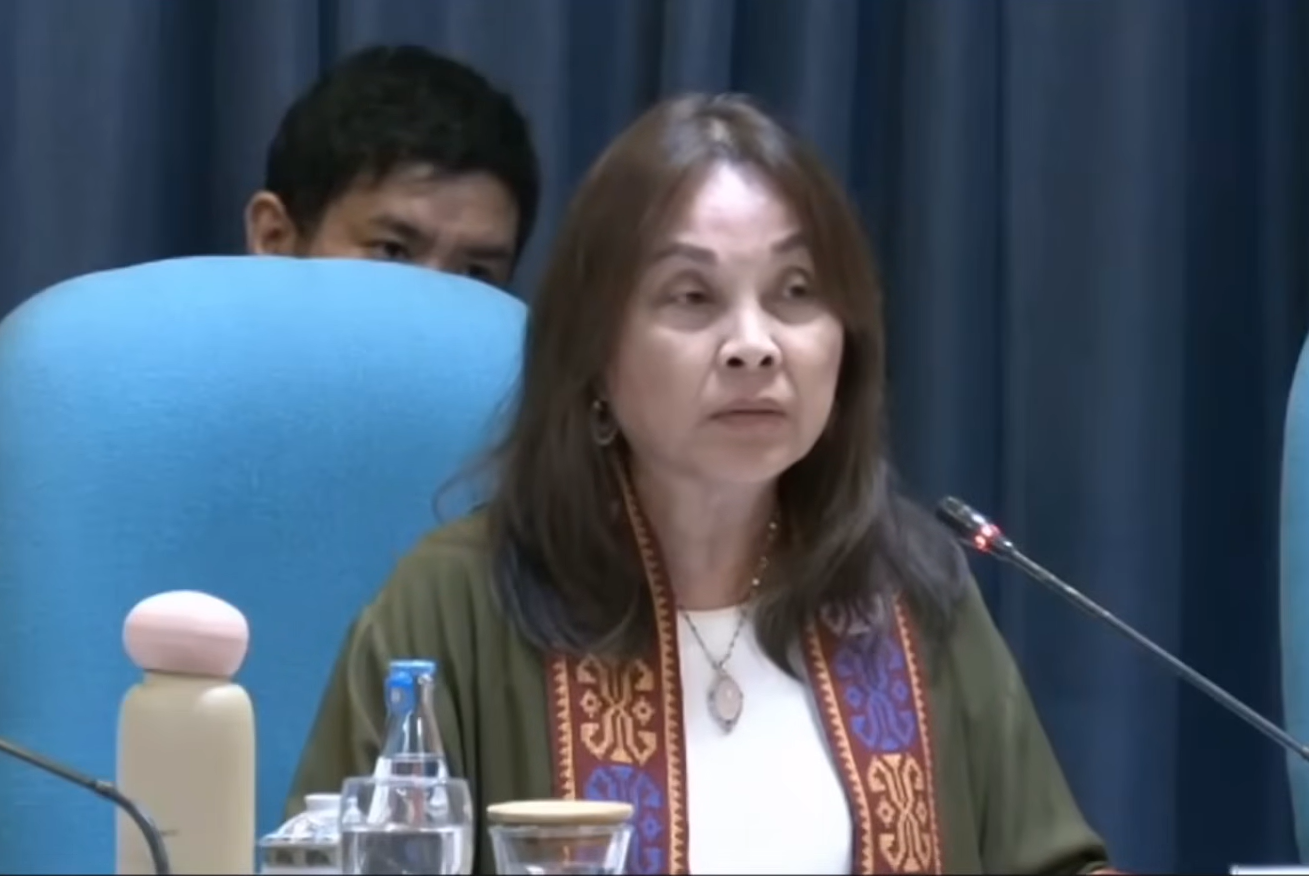
Senator Loren Legarda on Monday filed a “Bayanihan 3” bill seeking to grant the President emergency powers to mitigate the socio-economic impact of rising fuel and energy prices amid heightened tensions in the Middle East.
Under Senate Bill No. 2020, Legarda said an initial P230 billion would be allocated to fund the proposed Bayanihan 3, sourced from:
- continuing appropriations and unreleased allotments from 2025;
- appropriations under the 2026 General Appropriations Act, and
- the Malampaya Fund.
“The current crisis demands a specific delegation of authority that goes beyond the standard administrative functions of the Executive,” the bill’s explanatory note read.
“Granting the President special emergency powers is, therefore, an essential and constitutional recourse to enable the government to bypass bureaucratic delays and implement decisive measures to mitigate the catastrophic effects of the 2026 oil supply disruptions,” it added.
The measure seeks to institutionalize the Unified Package for Livelihoods, Industry, Food, Transport, Energy, and Defense (UPLIFTED), as adopted under Executive Order No. 110.
The UPLIFT program was established after President Ferdinand “Bongbong” Marcos Jr. declared a state of national energy emergency on March 24, 2026, to ensure energy supply stability, support key sectors such as transport, agriculture, and micro, small and medium enterprises (MSMEs), and protect Filipinos amid global oil supply disruptions.
SB 2020 recognizes and affirms the existence of a national emergency.
It also provides fuel assistance for farmers and fisherfolk, including the immediate release of P10 billion for the Presidential Assistance for Farmers, Fisherfolk, and Families (PAFF), on top of the existing P50 million fuel subsidy program.
An emergency fuel subsidy ranging from P5,000 to P10,000 per month will also be provided to qualified public utility vehicle (PUV) drivers, small-scale farmers and fisherfolk, and small agricultural transporters.
Oil deregulation
The President may also direct the Department of Energy (DOE), in coordination with the Department of Justice (DOJ) and relevant regulatory agencies, to temporarily direct, control, or assume—partially or fully—the operations of entities engaged in the importation, refining, storage, distribution, or sale of petroleum products.
Such authority shall be temporary, proportionate, and limited to the duration and scope of the emergency.
Under Republic Act 8479, or the Downstream Oil Industry Deregulation Act of 1998, government control was lifted to allow oil companies to operate more competitively in the pricing and supply of petroleum products.
The emergency powers granted under the proposed measure will take effect upon publication in a newspaper of general circulation and will remain in force for six months, or until the Mean of Platts Singapore (MOPS) crude oil price falls below $80 per barrel for 30 consecutive days, whichever comes earlier.
Congress may extend its effectivity through a concurrent resolution for a period not exceeding one year.—MCG, GMA News

