

 GMA Brandtalk
 Tracking
 Archives

LTFRB drops GPS tracker, shifts to QR system in service contracting rollout
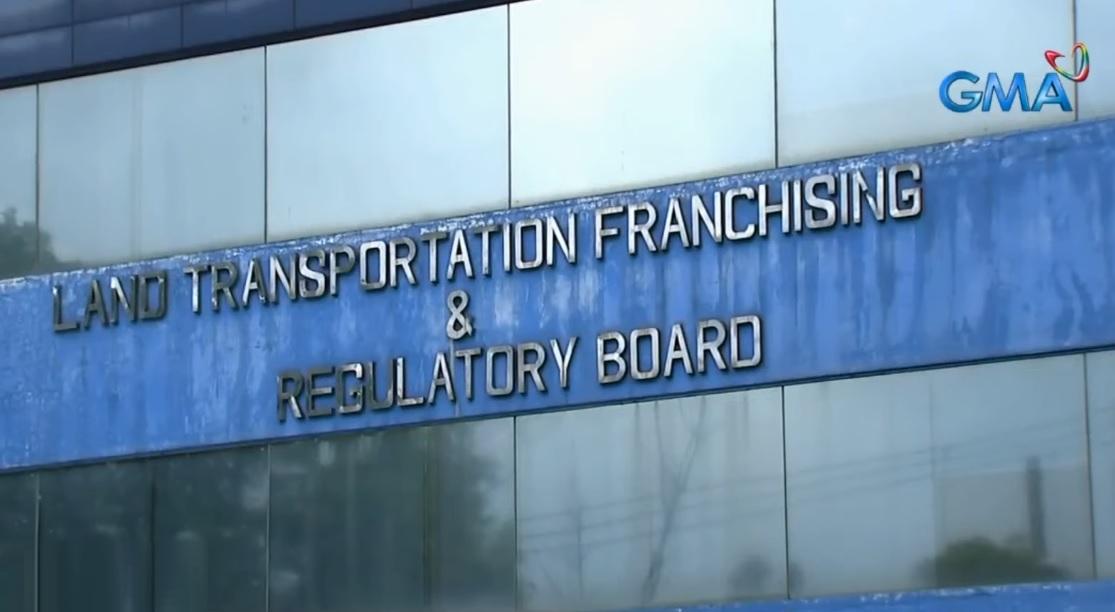
The Land Transportation Franchising and Regulatory Board (LTFRB) has removed the mandatory use of GPS trackers in its service contracting program (SCP), replacing it with a QR code-based system to reduce costs for public utility vehicle (PUV) drivers.
LTFRB Chairperson Atty. Vigor Mendoza II said the adjustment was made in response to concerns from drivers and operators over additional expenses tied to compliance requirements.
The change comes as the government rolls out the SCP along the EDSA Carousel, part of the government’s efforts to provide short-term financial relief to transport workers grappling with high fuel prices.
Transport groups earlier raised concerns about the need for global positioning system (GPS) devices on public utility vehicles included in the program.
Under the revised guidelines, drivers are no longer required to install GPS devices, which had been flagged as an added financial burden. Instead, trip monitoring will now rely on QR codes that must be scanned at designated stops to log trips and validate service.
“Immediate solution po ito. Hindi ito permanent solution, pero kailangan natin bigyan ng agarang tulong ang ating transport workers (This is an immediate solution. It is not a permanent solution, but we need to provide urgent assistance to our transport workers),” said Mendoza, who inspected the EDSA Carousel.
He emphasized that the SCP, while temporary, is meant to ease the financial strain on both drivers and commuters.
“Hindi naman ito forever, pero malaking tulong ito sa ating mga mananakay at sa ating mga transport workers,” he added. (This is not forever, but it will be a big help to commuters and transport workers.)
More than 30,000 PUVs nationwide have been enrolled in the program, which operates on a performance-based payment scheme rather than passenger volume. However, the initial P800-million budget may only sustain the program for about two weeks.
The LTFRB has requested a P5-billion supplemental budget to expand coverage and extend implementation, as demand for inclusion continues to grow.
“Sa ngayon, limitado pa. Pero kapag lumabas ang supplemental budget, mas mapapalawak pa ito at mas marami ang makakasama (For now, it is still limited. But once the supplemental budget is released, this can be expanded and more drivers can be included),” Mendoza said.
Despite the revisions, transport group Manibela continues to push for alternative measures, including higher fuel subsidies, arguing that current interventions remain insufficient.
The LTFRB maintained that the SCP, alongside other forms of assistance, serves as an interim solution while broader policy responses to fuel prices are being addressed.
“Naiintindihan namin ang hinaing na kakaunti pa ito. Nakikinig naman ang gobyerno, kaya may paparating na tulong (We understand the concern that this is still limited. The government is listening, and more assistance is on the way),” Mendoza said.
Forms of support
Meanwhile, in an interview over Balitanghali, Transportation Undersecretary Mark Steven Pastor said the government has lined up several forms of support for affected drivers.
Among these are the fuel subsidy program of the Department of Transportation, the Assistance to Individuals in Crisis Situation (AICS) of the Department of Social Welfare and Development, and the Tulong Panghanapbuhay sa Ating Disadvantaged/Displaced Workers (TUPAD) program of the Department of Labor and Employment. The DOTr is also coordinating with the Department of Energy for fuel discounts.
Pastor said these measures are meant to mitigate the impact on drivers who are not included in the service contracting program.
On eligibility, he explained that only routes identified by the Land Transportation Franchising and Regulatory Board (LTFRB) are covered under the program.
“May mga ruta po tayo na identified ng LTFRB nationwide. 823 routes po ito… i-check lang po nila ang LTFRB page,” he said.
(We have identified routes nationwide under the LTFRB—823 routes in total. They can check the LTFRB page for the list.)
He added that drivers and operators may undergo online onboarding, which allows them to begin participating within 24 hours after registration.
For participating drivers, Pastor said payments are expected within three to five days, based on the directive of Transportation Secretary Vince Dizon Lopez.
“Nasa 3 to 5 days po… upang magamit na po nila agad ‘yung pera para po pang-krudo nila at panggastos po sa pang-araw-araw,” he said.
(Payment is targeted within three to five days so they can immediately use the funds for fuel and daily expenses.)
At the same time, the DOTr clarified that GPS tracking will not be mandatory for all units. While buses on dedicated busways and modern jeepneys are already equipped with GPS, installation for traditional jeepneys will remain optional. Instead, the LTFRB is developing a QR code system that drivers may use for monitoring and compliance.
The service contracting program is part of the government’s broader effort to provide financial support to PUV operators and drivers while ensuring reliable public transportation services.
In a statement, Senator Joel Villanueva lauded the Department of Transportation and LTRFB for its decision not to require the PUV drivers to use GPS.
"Sa gitna ng matinding krisis kung saan kailangang-kailangan ng tulong ng ating mga kababayan sa transport sector, huwag na po natin silang bigyan ng dagdag pasanin," he said.
He added the DOTr showed it can adopt a more flexible and responsive approach to ensure a smooth rollout of the program.
"We will continue to extend our support to programs that will help ease the burden of our kababayans facing the realities of this oil crisis," he further said. — AOL/RSJ, GMA News

