

 GMA Brandtalk
 Tracking
 Archives

Marcos: PH pushing for joint oil stockpiling amid energy challenges
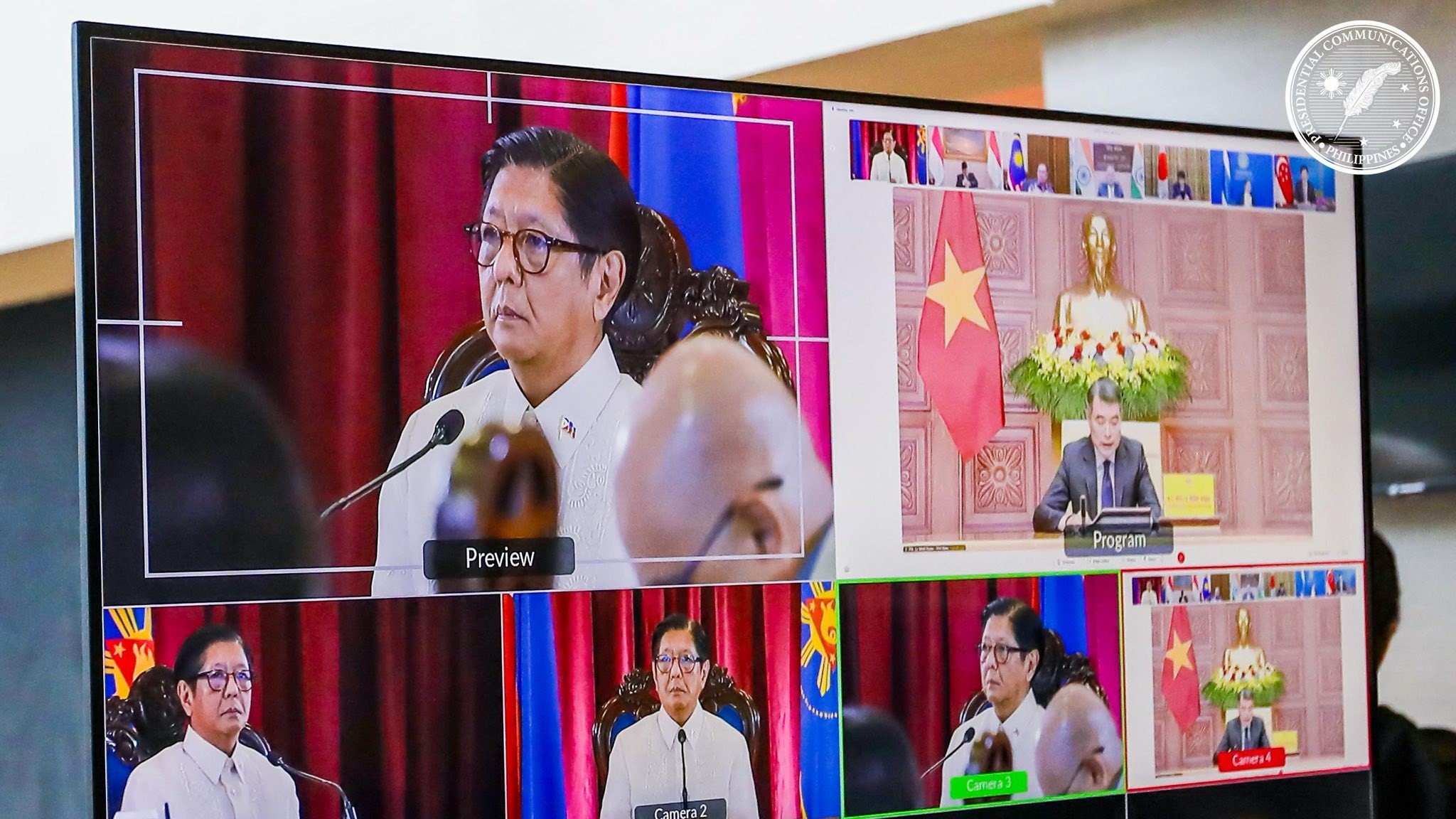
The Philippines on Wednesday called for a regional study on joint oil stockpiling amid the energy challenges caused by the Middle East crisis.
President Ferdinand “Bongbong” Marcos Jr. made the remarks during the Asia Zero Emission Community (AZEC) Plus Online Summit hosted by Japanese Prime Minister Takaichi Sanae.
“We propose that this summit endorse a regional study on joint oil stockpiling, building on the work of the Economic Research Institute for ASEAN and East Asia (ERIA),” Marcos said.
“ERIA has already identified viable models – national initiatives, ticket stockpiling arrangements, and joint stockpiling with crude exporters. Let us provide them the political commitment to move these from research to negotiation to implementation,” he added.
The President also called for the early activation and implementation of the ASEAN Framework Agreement on Petroleum Security (APSA) Coordinated Emergency Response Mechanism.
“The mechanism exists and it should be tested now, while the crisis is live and the lessons are immediate. The Philippines is willing to host or co-chair the first full APSA emergency simulation exercise,” he said.
Marcos said the enhanced APSA established the architecture for coordinated emergency responses, emergency supply sharing, and, critically, joint oil stockpiling.
“The Philippines fully supports its operationalization and we will be an active participant in its implementation,” he said.
The President noted that the energy disruptions of 2026 are testing the region’s resilience.
“However, I believe they also are creating an opportunity for us to build the regional energy security architecture that our region has long needed,” he said.
“We propose that participating economies define a mutual recognition mechanism of emergency fuel allocation protocols so that, when a member is in distress, the administrative pathways for receiving assistance have already been clearly established and time is not lost to procedural uncertainty,” Marcos added. — JMA, GMA News

