

 GMA Brandtalk
 Tracking
 Archives

DepEd rolls out orientations to prepare for major SY 2026–2027 reforms
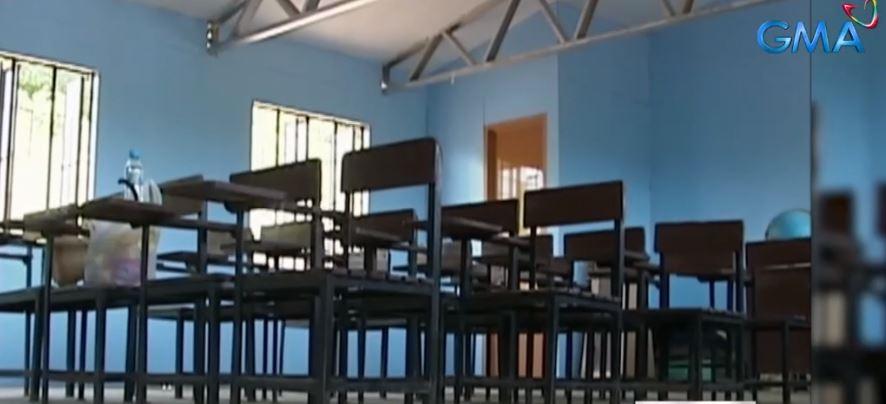
Public school teachers and school heads across the country will undergo a series of orientations starting late April, as the Department of Education (DepEd) prepares for a set of major policy changes in School Year 2026–2027.
The orientations, beginning with school heads on April 24 and expanding to teachers from May 2 to 15, aim to align educators with upcoming adjustments in the academic calendar, classroom assessment, and teaching protocols.
Education Secretary Sonny Angara said the early rollout is intended to ensure that reforms are clearly understood before implementation.
“Hindi puwedeng papel lang ang pagbabago. Kailangan ramdam ito sa bawat classroom,” he said.
(Reforms cannot exist only on paper, they must be felt in every classroom.)
“We are making sure our school heads and teachers understand not just the ‘what,’ but the ‘why’ and the ‘how,’” he added.
Alongside the reforms, DepEd emphasized that teachers should not have additional administrative burden.
“Habang pinapadali natin ang sistema, hindi puwedeng dinadagdagan ang trabaho ng guro. No unnecessary reports, no extra tasks that take teachers away from teaching,” Angara said.
(While we are simplifying the system, we must not increase teachers’ workload.)
School heads have been directed to streamline reporting requirements and align with national efforts to reduce non-teaching tasks.
Key changes ahead
The orientations will cover several major adjustments, including:
- A restructured three-term school calendar
- An “opening block” at the start of classes for assessments and school diagnostics
- Updated classroom assessment and grading guidelines
- Revised lesson planning and flexible learning strategies
- Strengthened Senior High School curriculum and work immersion
- Protocols for learning continuity during emergencies
The opening block is designed to complete administrative and preparatory activities early, allowing teachers to focus on instruction once regular classes begin.
No additional cost for families
DepEd officials clarified that the revised calendar will not increase expenses for families.
Undersecretary Carmela Oracion said the total number of school days will remain unchanged, with only the structure of time being adjusted.
“The total number of school days remains the same. What we are changing is how time is used,” she said.
Nationwide rollout
Preparatory planning conferences were held earlier this month, followed by cluster-based orientations for school heads. Sessions will be conducted through a mix of face-to-face, online, and self-paced formats to ensure nationwide reach.
Senior DepEd officials are also leading the sessions to ensure consistent and accurate communication of policy changes.
Under the new system, classes will open on June 8, 2026 and end on April 8, 2027, covering a total of 201 class days.
Unlike the previous two-semester format, the school year will be divided into three academic terms, each with three distinct components: an opening block, an instructional period, and end-of-term activities.
Term-by-term breakdown
- For Term 1, the school year begins with opening activities from June 8 to 11, followed by regular classes starting June 15 through September 1. End-of-term activities are scheduled from September 2 to 15, 2026.
- For Term 2, classes resume immediately after, with the instructional period running from September 16 to December 4, followed by end-of-term activities from December 7 to 18, 2026.
- For Term 3, classes restart after the year-end break, with instruction from January 4 to March 23, 2027, and final assessments and closing activities from March 24 to April 8, 2027.
DepEd noted that the new calendar introduces structured breaks between terms, allowing time for assessment, remediation, and student recovery before moving into the next learning cycle.
The Department said the schedule allows schools to integrate remediation programs, such as the Academic Recovery and Accessible Learning (ARAL) initiative, within or alongside instructional periods.
Teachers will also follow a structured “budget of work,” which guides how lessons and competencies are distributed across each term, allowing flexibility when classes are disrupted. — BAP, GMA News

