

 GMA Brandtalk
 Tracking
 Archives

EXPLAINER: How are wage hikes determined?
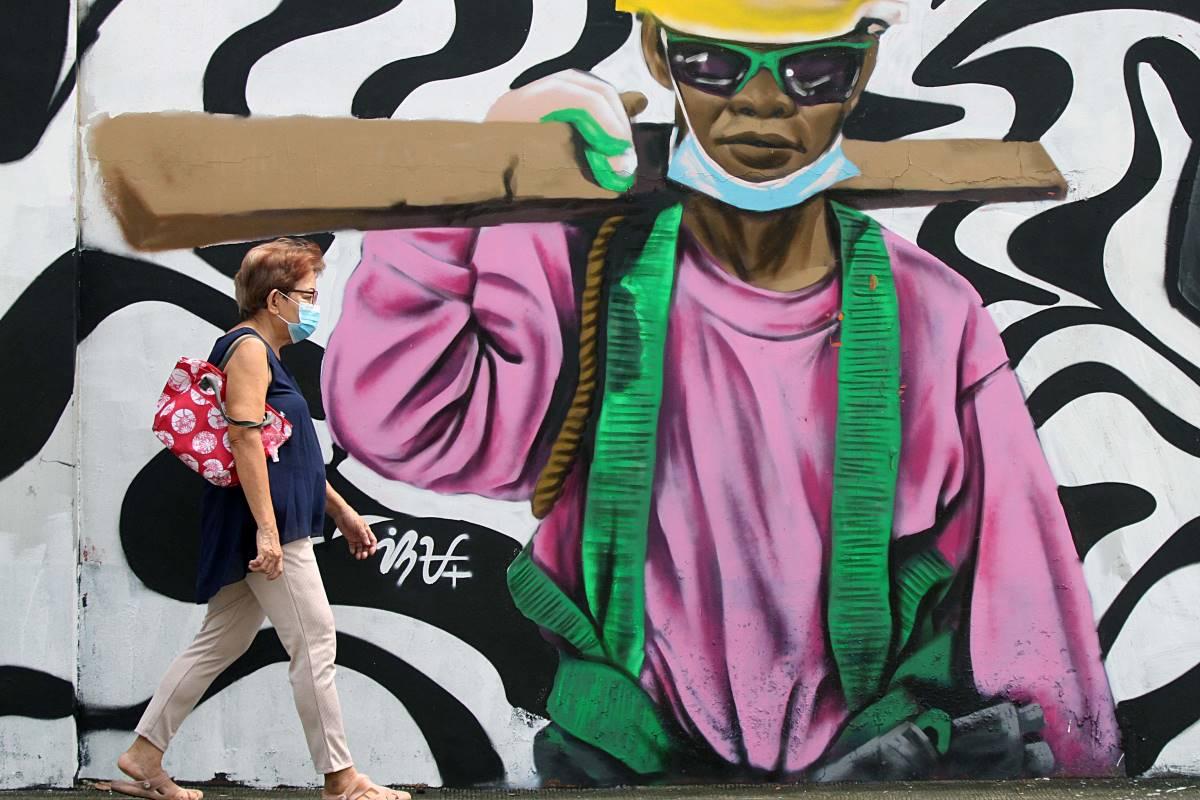
The Department of Labor and Employment (DOLE) announced Thursday that Metro Manila’s wage board may reach a decision on pending salary hike requests by July.
DOLE said the Regional Tripartite Wages and Productivity Board (RTWPB) NCR has received 16 wage hike petitions - including calls for a daily minimum wage of P1,200, as well as for an increase of P500 daily.
But how are wage hikes determined?
Article 122(b) of the Labor Code of the Philippines provides that the RTWPBs are tasked “to determine and fix minimum wage rates applicable in their regions, provinces, or industries therein, and to issue the corresponding wage orders” subject to the guidelines issued by the National Wages and Productivity Commission (NWPC).
Regional boards follow a criteria for minimum wage fixing, said NWPC. These are:
- Needs of workers and their families
- Capacity to pay
- Comparable wages and incomes
- Requirements of economic and social development
“RTWPBs conduct consultations and public hearings with tripartite partners and other stakeholders. Through consultations and public hearings, RTWPBs consider regional realities, enforcing social dialogue and tripartism,” the NWPC said.
However, regional boards can still issue a wage order even without a petition for a wage hike.
“Even in the absence of a filed petition for wage increase, Regional Boards can, motu proprio, initiate action or inquiry on whether a wage order should be issued,” the NWPC explained. “A public hearing is required before the Boards can issue a wage order.”
It should be noted that wage orders issued by RTWPBs cover only private sector workers, excluding household workers, family drivers, and other personal employees.
Meanwhile, the following categories of establishments may be exempted upon application with, and as determined by the regional board:
- Retail/Service establishment regularly employing not more than ten (10) workers
- Establishment adversely affected by natural calamities and/or human-induced disasters
RTWPBs have a maximum of 90 days from the publication of the notice of public hearing until deliberation to determine whether a new wage order should be issued.
“If after determination based on evidence-based information, the conditions in the region warrant an increase in minimum wage, the Board shall issue a new wage order,” the NWPC. “Otherwise, the Board shall issue a resolution detailing the reasons why an increase is not yet warranted for the time being.”
How often can regional boards issue a wage order? The NWPC stated that “the Omnibus Rules provide that no new wage order may be issued within a period of twelve (12) months from effectivity of the current wage order.”
The wage order shall take effect after 15 days from its publication in at least one newspaper of general circulation in the region.
Collective bargaining
Aside from the mandatory wage orders from RTWPBs, wage hikes may also come from Collective Bargaining Agreements (CBAs), which are agreed upon by both laborers and employers.
Under the Labor Code of the Philippines, CBA refers to the "contract entered by the employer and the workers’ sole and exclusive bargaining agent on the wages, hours of work and all other terms and conditions of employment including proposals for adjusting any grievances or questions arising under such agreement and executing a contract incorporating such agreements if requested by either party."
Earlier jurisprudence highlighted that "it is a familiar and fundamental doctrine in labor law that the CBA is the law between the parties and they are obliged to comply with its provisions."
"As in all contracts, the parties in a CBA may establish such stipulations, clauses, terms and conditions as they may deem convenient provided these are not contrary to law, morals, good customs, public order or public policy," added another court decision.
Wage review cycle
Last April 20, the DOLE and the NWPC said that they are already preparing for the next round of wage review cycle starting May in Metro Manila.
“Concerns related to the Middle East situation, its effects on prices of basic commodities and its impact on wages, shall be taken into consideration during the next minimum wage review cycle, consistent with the rules on minimum wage review process. The NWPC and RTWPBs are also closely monitoring the socioeconomic conditions in their respective regions,” the NWPC said. —LDF, GMA News

