

 GMA Brandtalk
 Tracking
 Archives

ICC relying on states' cooperation to enforce its arrest warrants
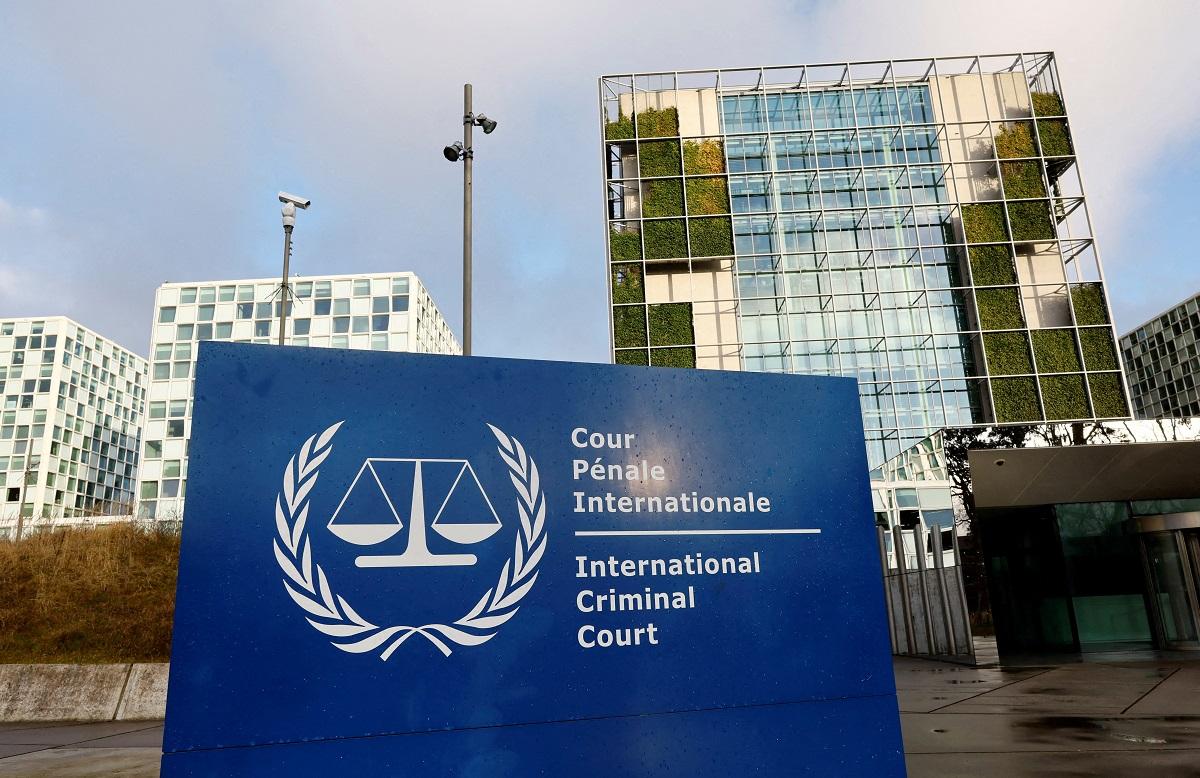
THE HAGUE – The International Criminal Court (ICC) on Tuesday said it relies on national governments to enforce its arrest warrants and surrender suspects to the tribunal.
An official of the ICC made the remarks after agents of the National Bureau of Investigation (NBI) on Tuesday attempted to serve the ICC’s arrest warrant against Senator Ronald dela Rosa in connection with ex-President Rodrigo Duterte’s war on illegal drugs.
Asked what would happen if dela Rosa would refuse to cooperate, ICC spokesperson Oriane Maillet said enforcement of the arrest warrant depends on state authorities.
“The ICC, as a judicial institution, relies on States cooperation to implement its arrest warrants. Hence it is now for the national authorities to arrest and surrender the suspect to the Court,” Maillet said in an interview.
“The Court relies on States to enforce its decisions,” she added.
States that have concerns about cooperating with the ICC are expected to address them through legal mechanisms provided under the Rome Statute.
“When States have concerns in cooperating with the Court, they may consult the Court in a timely and efficient manner. As Article 119 of the Statute stipulates, ‘any dispute concerning the judicial functions of the Court shall be settled by the decision of the Court,’” Maillet said.
Asked if this is still the case for the Philippines which withdrew its ICC membership in 2019, Maillet explained that under Article 127 of the Rome Statute, a state’s withdrawal does not release it from its obligations that arose while it was still a party to the Rome Statute.
“Its withdrawal shall not affect any cooperation with the Court in connection with criminal investigations and proceedings in relation to which the withdrawing State had a duty to cooperate and which were commenced prior to the date on which the withdrawal became effective,” she said.
Maillet added that in general cases of non-cooperation, “ICC judges may issue a formal court decision stating that a State Party did not respect its obligations under the Rome Statute, and inform the Assembly of States Parties of it.”
“It is then for the Assembly to take any measure it deems appropriate,” she said.
Earlier, the ICC confirmed the issuance of an arrest warrant against dela Rosa that was previously under seal before it was publicly disclosed.
Dela Rosa was then the chief of the Philippine National Police (PNP) at the height of Duterte’s war on illegal drugs, which is now under scrutiny by the ICC.
In a press release, the ICC said its Pre-Trial Chamber I assessed the materials submitted by the prosecution and found “reasonable grounds to believe that Mr. Dela Rosa is allegedly criminally responsible as an indirect co-perpetrator (pursuant to article 25(3)(a) of the Rome Statute) for the crime against humanity of murder.”
“Mr. Dela Rosa is alleged to have been involved in a common plan that lasted from approximately 1 November 2011 until 16 March 2019 to kill alleged criminals in the Philippines (including those perceived or alleged to be associated with drug use, sale or production),” the ICC said.
Dela Rosa – who is now under the Senate’s protective custody – on Tuesday appealed to President Ferdinand Marcos Jr. not to surrender him to the ICC and to protect him as a constituent and Filipino. — JMA, GMA News

