

 GMA Brandtalk
 Tracking
 Archives

Water level at Angat Dam below normal; allocation for irrigation lessened
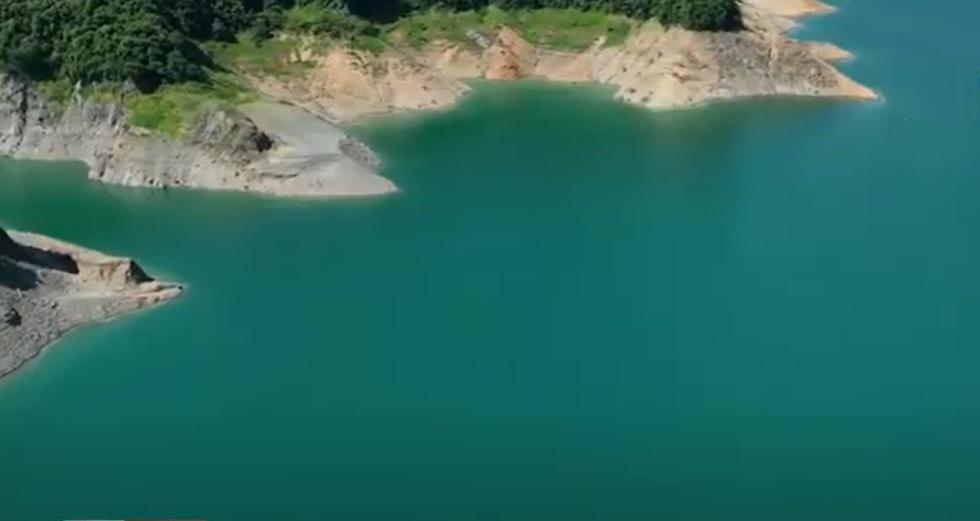
The water level at Angat Dam in Bulacan continued going down Saturday. Although the situation is manageable, the water allocation for irrigation has been lessened, the National Water Resources Board (NWRB) said.
At 8 a.m. Saturday, Angat Dam's water level was at 178.21 meters, down from the 178.52 m on Friday, data from PAGASA showed.
"Mababa na du'n sa minimum operating level na sinasabi natin na 180 meters," NWRB executive director Dr. Sevillo David Jr said in an interview on Dobol B TV.
(It is lower than the minimum operating level of 180 meters.)
Angat Dam's normal high water level is at 212 meters.
"Bagamat masasabi nating manageable ang situation, pero nasa panahon tayo na kailangan ng masusing pagmomonitor at maagap na management ng lebel kasi patuloy itong bumababa," he added.
(Although we can say the situation is manageable, we are in a period wherein close monitoring and effective management are needed because the water level continues to go down.)
"Manageable siya kung ang water supply ng Metro Manila ang pinag-uuusapan. Sa ganitong sitwasyon, mas binibigyan natin ng prayoridad ang domestic... water supply para sa Metro Manila at karatig probinsiya," David said.
(The situation is manageable if we are talking about the water supply of Metro Manila. In this situation, we are prioritizing the domestic allocation of water supply for Metro Manila and nearby provinces.)
However, since the water at Angat Dam is already below the minimum operating level, NWRB said the water release needs to be regulated.
"Pero dahil mababa na sa minimum operating level, kailangang nating i-regulate ang pagre-release ng Angat Dam sa ibang gamit nito gaya ng irigasyon. Binawasan na ang alokasyon para sa irigasyon. By next week, baka i-suspend ang pag-release sa irigasyonn," David said.
(But since it is already below the minimum operating level, we need to regulate the release of water of Angat Dam for other uses such as irrigation. We already decreased the allocation for irrigation. By next week, we might suspend the release of water for irrigation.)
This would not cause much effect on agriculture because it is almost harvest time, he added.
"Pero hindi naman makakaapekto sa ngayon 'yan kasi ay halos nasa pag-aani na sila," David said.
(But they [farmers] would not be affected much because it is almost time to harvest.)
Conserve water
David stressed the importance of preparation and water conservation not only because of the decreasing level of water in dam reservoirs, but also due to the threat of El Niño.
PAGASA said El Niño is characterized by unusually warmer than average sea surface temperatures (SSTs) in the central and eastern equatorial Pacific, which may result in below-normal rainfall conditions.
"Kailangan nating maghanda, unang-una, dahil patuloy siyang (water level sa dams) bumababa, at dahil sa pangamba ng El Niño," David said.
(We need to prepare, first of all because the water level in dams continue to decrease, and also because of the threat of El Niño.)
"Magkakaroon ng kabawasan sa mga pag-ulan... Baka hindi maka-recover nang maayos ang dams natin, partikular ang Angat Dam," he said.
(There would be lesser rainfall... Our dams may not be able to recover well, in particular, Angat Dam.)
David then urged the public to practice water conservation.
He said for the month of May, the supply of water in dams is still enough.
"Wala tayong maaasahang (We are not expecting a) major water interruption," David said.
For June onward, the NWRB will continue to monitor the situation, he added.
As part of its preparations, the NWRB has already implemented contingency measures in anticipation of a significant drop in dam water levels.
Among these measures is the activation of deep wells in Metro Manila to be used by concessionaires as needed as alternative water source.
David however said the NWRB discourages the use of deep well in residences since the supply of ground water in Metro Manila is already thin.
"Patuloy na rin ang panawagan natin na maging mas responsable sa paggamit ng tubig," he said.
(We continue to appeal for the public to be more responsible in using water.)
If the water supply continues to go down, the NWRB may have to reduce the water supply allotted for Metro Manila, David said. —KG, GMA News

