

 GMA Brandtalk
 Tracking
 Archives

DOE: Use of diesel plants during red, yellow alerts may push rates slightly higher
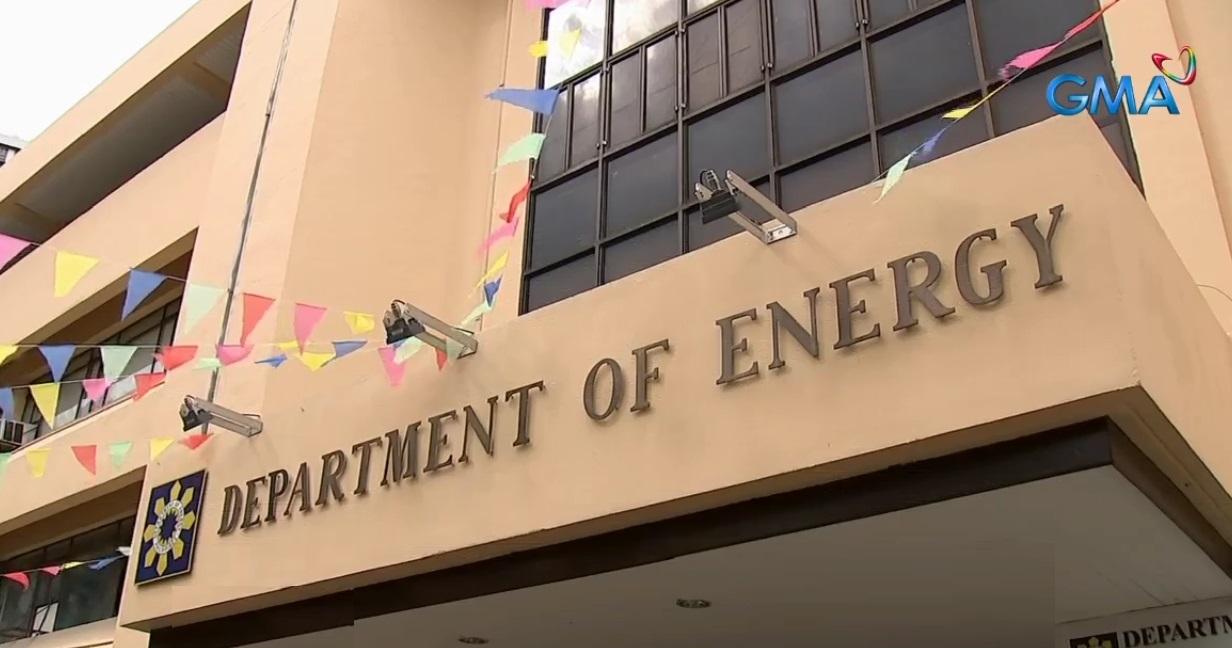
The Department of Energy (DOE) on Monday said that while there is no direct correlation between the declaration of yellow and red alerts on electricity rates, the thin power supply forced the use of more expensive diesel power plants, which could slightly raise power costs.
According to DOE Undersecretary Rowena Cristina Guevara, the declaration of yellow and red alerts last week forced all available plants to be on deck, including the more expensive diesel plants.
“Potentially, mayroong increase kung sakali man, but these are very small plants, so konti lang naman ‘yung nadagdag na mga ganong megawatts dun sa ating generation mix during Wednesday, Thursday, Friday,” she said in a virtual briefing.
(Potentially, there would be an increase but if ever, these are very small plants, so there was only a small increase in the megawatts in the generation mix during Wednesday, Thursday, Friday.)
The Luzon and Visayas grids were placed on yellow and red alerts last week, due to the forced outages of several plants, coupled with higher demand amid the hot dry season.
A yellow alert indicates that the operating margin is insufficient to meet the transmission grid’s contingency requirement, while a red alert indicates that there is zero ancillary service or that a generation deficiency exists.
The Visayas Grid was placed under yellow alert anew on Monday, still due to the forced outages and derated capacity of several plants.
The DOE said that for the Luzon Grid, those that were on forced outage last week have already come back online.
For her part, DOE Secretary Sharon Garin explained there is no direct correlation between the yellow and red alerts and electricity prices.
“Technically, there’s no direct correlation to that kasi (because) it’s not about the rates. It’s more of the delivery of the power to the households, so hindi po ‘yan, wala pong (there is no) impact on the rates. It’s more of having power in the households,” she said. —AOL, GMA News

