

 GMA Brandtalk
 Tracking
 Archives

PH not 'high risk' for Ebola outbreak, says infectious disease expert
The Philippines is not at “high risk” for an Ebola outbreak following the World Health Organization’s (WHO) declaration of a public health emergency in two African countries, an infectious disease expert said Tuesday.
“Ang Pilipinas, sa tingin ko ay hindi high-risk for this. Kasi magiging high risk lang tayo kung mayroong makapasok dito na galing doon at may mga sintomas at may impeksyon,” said infectious disease expert Rontgene Solante in “Bagong Pilipinas Ngayon.”
(The Philippines, I think, is not high-risk for this. We would only become high-risk if someone coming from those areas enters the country with symptoms and an infection.)
“Pero mayroon naman tayong mga ginagawa, base sa report ng Department of Health, na sa pagpasok pa lang, sa border control, sinusuri kung may lagnat, may mga sintomas, at kung anong mga bansa ang pinanggalingan,” he added.
(But we are already taking steps, based on the Department of Health report, where even at points of entry, border controls check for fever, symptoms, and country of origin.)
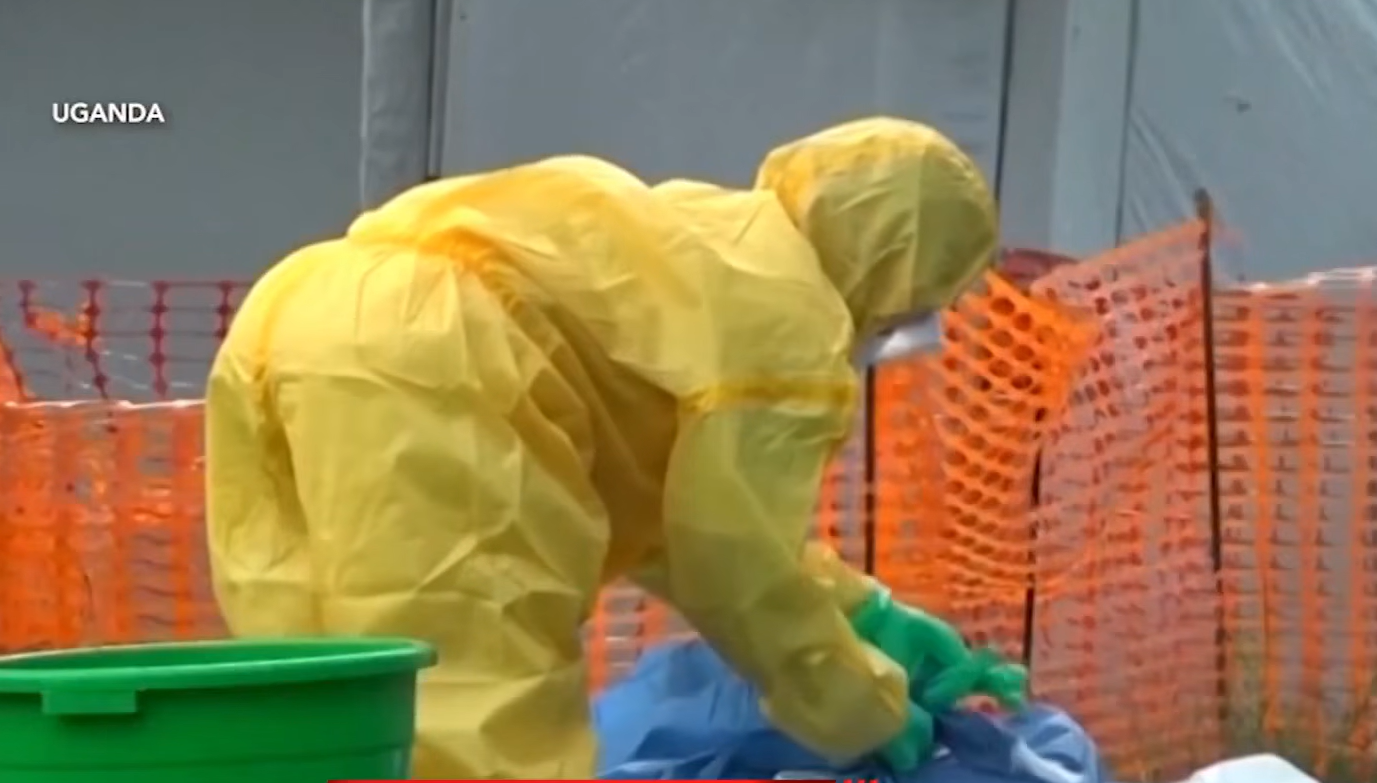
An Ebola outbreak in the Democratic Republic of Congo and Uganda has been declared a public health emergency of international concern by the WHO after 80 suspected deaths.
The WHO said the outbreak, caused by the Bundibugyo virus, does not meet the criteria of a pandemic emergency, but noted that countries sharing land borders with the DRC are at higher risk of further spread.
The Department of Health (DOH) earlier assured the public that there is no need to panic and said it will strengthen border surveillance.
For his part, Solante said the Philippines can manage the situation, citing lessons learned from the COVID-19 pandemic and other outbreaks.
“For me, handa naman siguro tayo kasi nalampasan na natin yung COVID, nalampasan na natin yung iba’t ibang outbreak. Marami na tayong lessons na natutunan doon,” Solante said.
(For me, we are probably prepared because we have gone through COVID and various outbreaks. We learned many lessons from those.)
“Yung mga ganitong outbreak, malaking bagay yung natutunan natin at kailangan lang natin i-reinforce ulit,” he added.
(For outbreaks like this, what we learned is very helpful, and we just need to reinforce those protocols.)
Ebola disease is a severe and often fatal illness caused by viruses belonging to the Orthoebolavirus genus.
Early symptoms include fever, fatigue or weakness, muscle pain, headache, sore throat, and general malaise, according to the WHO.
As the disease progresses, patients may also experience vomiting, diarrhea, abdominal pain, skin rash, and impaired kidney and liver function.—MCG, GMA News

