

 GMA Brandtalk
 Tracking
 Archives

CICC eyes charges, disbarment vs lawyer over alleged calls for revolution
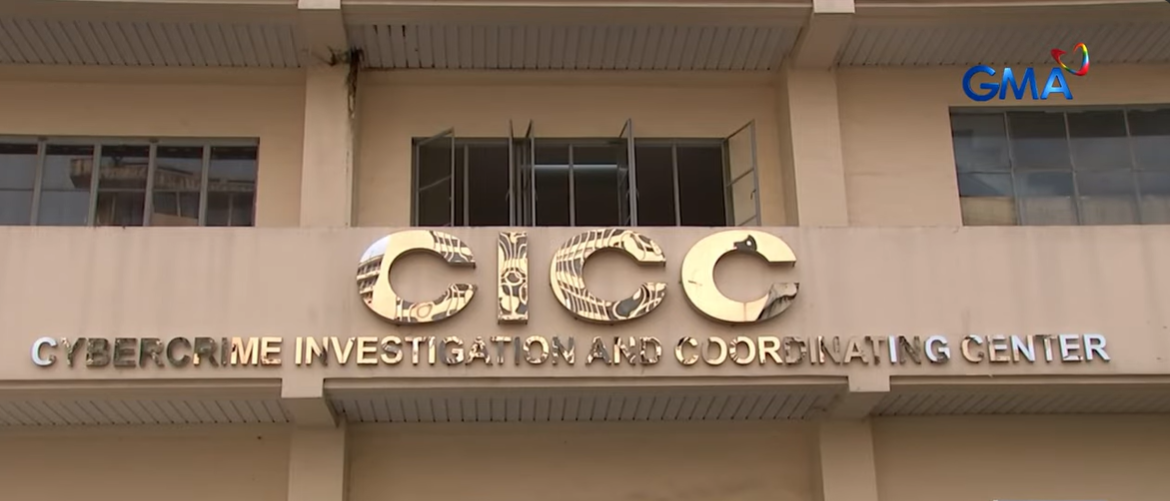
The Cybercrime Investigation and Coordinating Center (CICC) said it is studying the possible filing of criminal charges and disbarment proceedings against a lawyer accused of spreading false information and allegedly inciting unrest online.
In a public briefing on Wednesday, CICC Undersecretary Aboy Paraiso said the government is intensifying its campaign against fake news and online content that may constitute criminal offenses, including inciting sedition.
“In fact, mayroon ho tayo… tinitingnan na kakasuhan at ipapa-disbar na abogado dahil for that particular reason, nag-i-incite ng sedition at nagtatawag na ng rebolusyon,” Paraiso said.
(In fact, we are looking at filing charges and seeking disbarment against a lawyer for that particular reason, inciting sedition and calling for revolution.)
He made the statement while discussing the spread of false information online, particularly in connection with tensions involving the Senate.
“May mga threshold or may mga hangganan itong mga kalayaan natin at karapatan natin,” he said.
(There are thresholds or limits to our freedoms and rights.)
Paraiso stressed that the government’s campaign is not meant to suppress freedom of expression but to address false information and online activity that may lead to public disorder.
He added that the CICC recently met with the Presidential Communications Office, social media platforms, and fact-checking groups to strengthen coordination against misinformation.
He said the government will pursue its campaign against the spread of false information regardless of political affiliation.
“False information should not be the subject of debate; it knows no political color. False information is false information,” Paraiso said.
As of posting, the CICC has not identified the lawyer being referred to, nor disclosed the specific statements or posts under review.
Fake resort bookings
Meanwhile, the CICC also warned the public against fake resort bookings and online accommodation scams, saying both tourists and business owners are being victimized.
Paraiso said scammers have been creating fake social media pages and websites posing as legitimate resorts and collecting payments from unsuspecting customers.
“Ini-spoof iyong kanilang mga resorts, iyong mga websites nila tapos hinihingian ng pera iyong mga kababayan natin,” Paraiso said.
(They spoof resort pages and websites, then ask people for payments.)
He said victims often arrive at their destinations only to discover that no reservations exist.
“So ang tendency kapag pumunta iyong mga kababayan natin sa resorts ay wala silang accommodation, wala silang reservation,” he added.
(When people arrive at resorts, they end up having no accommodation or reservation.)
Paraiso noted that resort owners are also affected, as scammers impersonate their businesses and damage their reputations.
Authorities urged the public to transact only through official and verified platforms.
“Verify at saka pumunta ho tayo doon sa mga legitimate websites at saka pages ho noong mga resorts na ito,” Paraiso said.
(Verify and go only to legitimate websites and pages of these resorts.)
The CICC is also coordinating with the Department of Tourism for a possible unified database of legitimate resorts.
The warning comes amid a broader government push against misinformation.
“Hindi para supilin ang ating karapatan… pero kailangan nating tandaan na may hangganan ang kalayaan,” Paraiso said.
(This is not meant to suppress rights… but we must remember that freedom has limits.)
He added that individuals spreading harmful false information may face legal consequences, including possible cases for inciting unrest.—MCG, GMA News

