

 GMA Brandtalk
 Tracking
 Archives

DA ramps up preps for El Niño amid threat to PH food supply
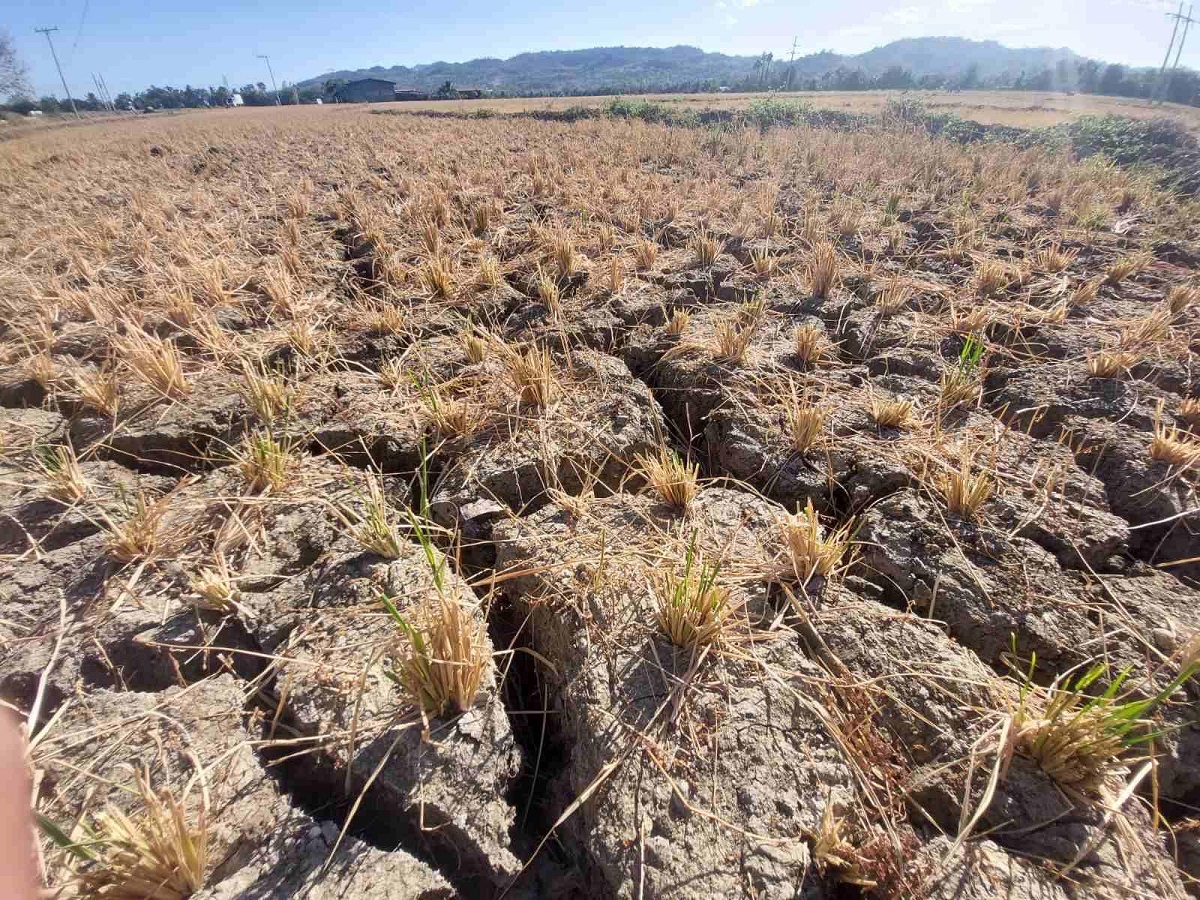
The Department of Agriculture (DA) is ramping preparations for a severe El Niño phenomenon later this year as prolonged dry spell could hit crop production, hurt farmers’ incomes, and drive up food prices.
In a statement on Thursday, Agriculture Secretary Francisco Tiu Laurel Jr. said he has ordered the reconvening of the DA’s El Niño task force.
“It is imperative that we put in place interventions that mitigate the impact of El Niño on agriculture, the livelihoods of farmers, fisherfolk, and others in the value chain, as well as its adverse effects on food supply, prices, and consumers,” said Tiu Laurel.
The Agriculture Department is projecting that rice production alone could drop by as much as 700,000 metric tons or 3.5% percent of the annual production target if a strong El Niño materializes, signaling serious risks for the nation’s food security and rural incomes.
EXPLAINER: What is Super El Niño?
To counter these effects, Tiu Laurel said the DA has rolled out measures including cloud seeding to boost rainfall, deployment of solar-powered irrigation systems, adjustments to the planting calendar to align with the Northeast Monsoon or Habagat, and crop diversification programs aimed at stabilizing farmers’ earnings.
The Philippine Atmospheric, Geophysical, and Astronomical Services Administration (PAGASA) has reported a 92% probability of a moderate to strong El Niño striking in the fourth quarter of 2026, potentially extending into early 2027.
The Agriculture chief said the DA’s proactive stance is critical, especially in light of the 2023–2024 El Niño, which inflicted P57.78 billion in agricultural losses —the largest in recent history.
Corn, essential for livestock feed, suffered the most, followed by rice, high-value crops, cassava, coconut, and fisheries while the economic impact was felt nationwide with overall agricultural output in 2024 fell 2.2% to P483.58 billion, according to the Philippine Statistics Authority.
Without timely intervention, Tiu Laurel said reduced farm output could trigger higher food prices, supply chain disruptions, and added pressure on low-income households.
By intensifying early warning systems, technology-enabled irrigation, and climate-resilient farming practices, he said that DA is aiming to safeguard both production and rural livelihoods.
Tiu Laurel said that mitigating El Niño’s effects is not just an agricultural challenge but a national priority to protect food security and ensure stability in markets and communities across the Philippines. —RF, GMA News

