

 GMA Brandtalk
 Tracking
 Archives

21 remote schools gain internet, solar power through DepEd-ADB project
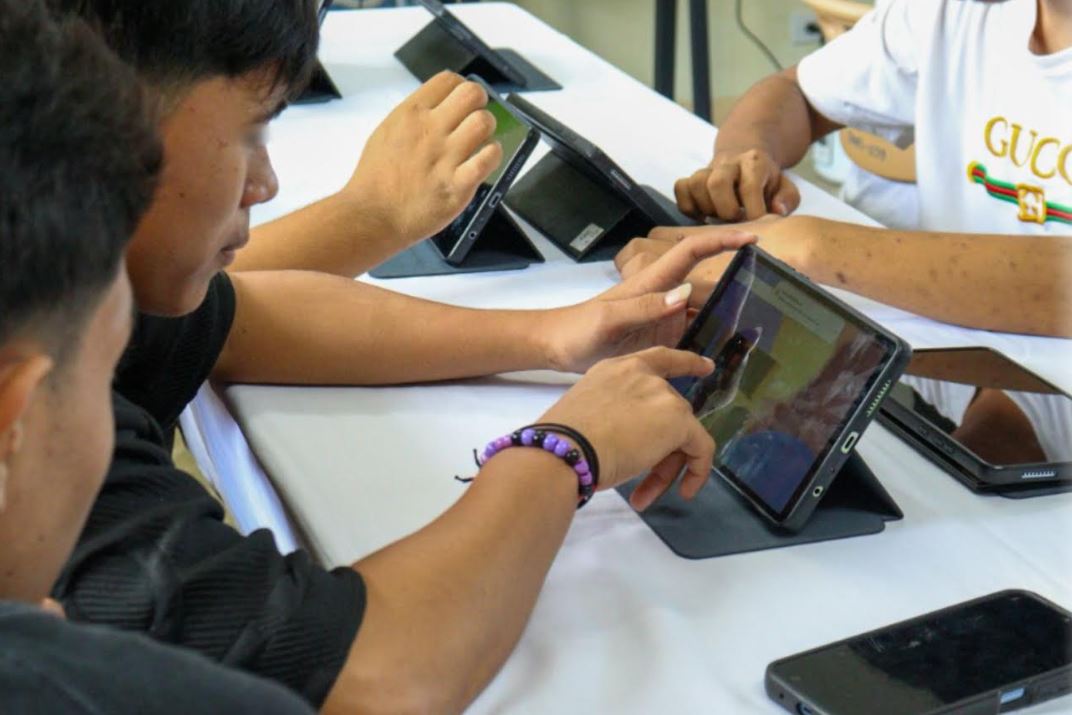
Twenty-one geographically isolated schools across the country have been equipped with satellite internet, solar-powered facilities, tablets, and digitized learning materials under a P112-million project funded by the Asian Development Bank (ADB) and implemented by the Department of Education (DepEd).
The EdTech Solutions for Last Mile Schools in COVID-19 Project was launched in 2021 to address long-standing challenges faced by remote schools, including limited access to electricity, internet connectivity, and digital learning resources.
DepEd officials recently visited Danahaw Integrated School in Clarin, Bohol, to inspect the project's facilities and assess the digital interventions deployed in the school.
Funded through a $2 million grant from the ADB, the initiative provided digitized modules, solar power infrastructure, satellite internet connectivity, and teacher training to 21 geographically isolated schools nationwide. The project was later extended in 2024.
Education Secretary Sonny Angara said the initiative aims to help bridge the digital gap experienced by learners in remote communities.
Students and teachers at the school said the technology has made learning resources more accessible.
Grade 12 learner Kimberly Daga-ang recalled relying mainly on printed modules following disruptions caused by the COVID-19 pandemic and successive typhoons.
“Nang makatanggap kami ng tablet, mas naging madali ang aming pag-aaral. Nagamit ko ito para mag-internet at gumawa ng mga proyekto at presentation. Hanggang ngayon, bilang Senior High School student, malaki pa rin ang naitutulong ng mga kagamitang ito sa aking pag-aaral,” she said.
(When we received tablets, studying became easier. I was able to use them to access the internet and work on projects and presentations. Even now, as a Senior High School student, these devices continue to greatly help me in my studies.)
ICT coordinator Clifford John Camosa said many students had little or no access to digital devices before the project was introduced.
“Noon, marami sa kanila ang walang cellphone, tablet, o anumang gadget. Dahil sa mga kagamitang naibigay sa pamamagitan ng proyekto, natuto silang gumamit ng internet at iba't ibang digital applications na makatutulong sa kanilang pag-aaral at sa kanilang paghahanda para sa kolehiyo at sa hinaharap,” he said.
(Before, many of them did not have cellphones, tablets, or any type of gadget. Because of the equipment provided through the project, they learned how to use the internet and various digital applications that can help them in their studies and prepare them for college and the future.)
Parent Elsa Lanoy also welcomed the initiative, saying it gave learners in the community greater opportunities to access modern learning tools.
The Department of Education said an impact evaluation conducted by the ADB found positive learning outcomes from the program's pilot implementation, including improvements in student performance through computer-assisted learning and the use of digitized learning materials.
The agency said the project forms part of broader efforts to improve educational access and learning opportunities in Last Mile Schools, particularly in geographically isolated and disadvantaged areas.—LDF, GMA News

