

 GMA Brandtalk
 Tracking
 Archives

PH eyes Russia for small nuclear reactor study
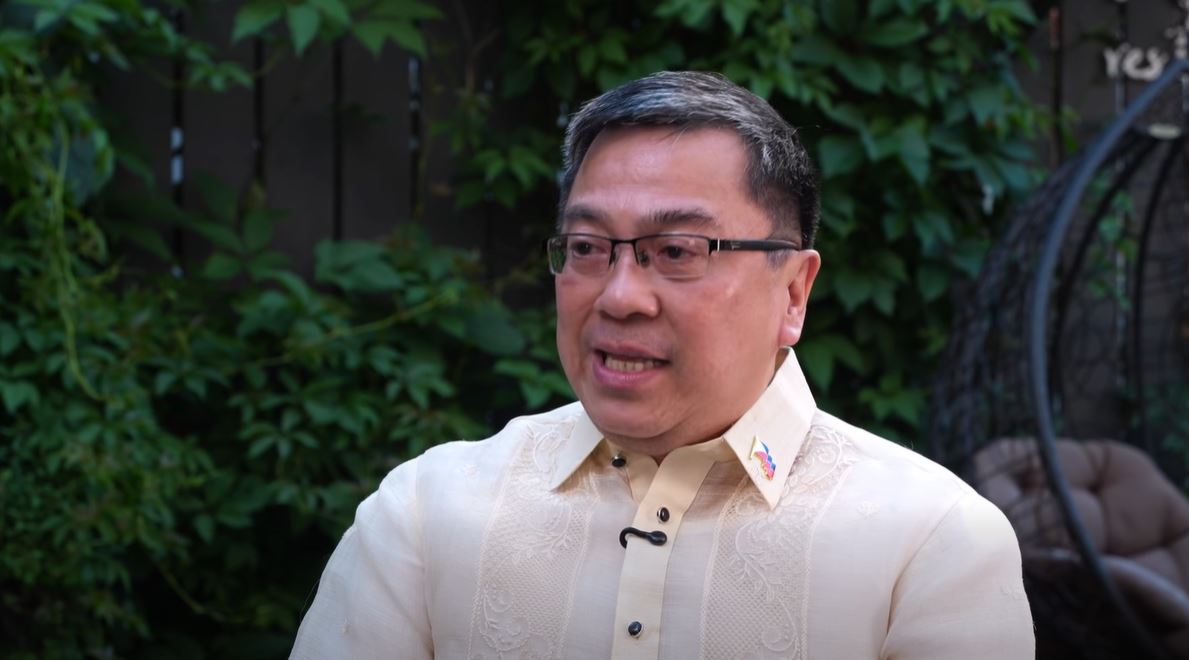
The Philippines is studying tapping Russia in its study on the possible use of small nuclear modular reactors to power the country's energy needs.
Philippine Ambassador to Russia Igor Bailen made the remarks in an interview with Palace Press Officer Undersecretary Claire Castro in Kazan, Russia, where President Ferdinand Marcos Jr. is attending the ASEAN–Russia Commemorative Summit.
Marcos is also expected to discuss food and energy security and other issues during his bilateral meeting with Russian President Vladimir Putin.
"Sa ating enegry mix, ang Pilipinas ay hindi pa gumagamit ng nuclear energy. But, of course, pinag-aaralan natin ang paggamit ng nuclear energy. Sa panahon ngayon, ang nuclear energy ay mas mainam, iyong small nuclear modular reactors. Ang bansang Russia ay may kakayahan diyan dahil I think sila ang kauna-unahan sa mundo na may floating nuclear power plant," Philippine Ambassador to Russia Igor Bailen said in an interview with Palace Officer Usec Claire Castro in Kazan, Russia.
(In our energy mix, the Philippines is not yet using nuclear energy. But, of course, we are studying the use of nuclear energy. At present, the more viable option in nuclear energy is small modular reactors. Russia has the capability in this area because, I think, it was the first country in the world to have a floating nuclear power plant.)
"Ang pagkakaalam ko ay ang Amerika ay may kakayahan diyan pero hindi pa nagsisimula. So pinag-aaralan po ng Department of Energy, in accordance with the standard set by the International Atomic Energy Agency in Vienna yung mga standards, conditions, and cost-benefit analysis ng paggamit ng nuclear energy. Kasi alam naman po natin, we are one of the biggest archipelagos in the world. Mahal ang kuryente sa Pilipinas. Mahirap ang pag-transport ng energy sa mga isla," Bailen added.
(To my knowledge, the United States also has the capability, but it has not yet begun operating such facilities. So the Department of Energy is studying the use of nuclear energy in accordance with the standards set by the International Atomic Energy Agency in Vienna, including the required standards, conditions, and cost-benefit analysis. As we know, the Philippines is one of the largest archipelagos in the world. Electricity is expensive in the country, and transporting energy across the islands is difficult.)
Bailen mentioned that China, Japan, Canada, and France are also studying the possible use of small nuclear modular reactors.
The ambassador explained that these small modular nuclear reactors are mounted on barges, with seawater used as a cooling mechanism.
When asked if there would be repercussions if the Philippines sourced its oil supply from Russia, Bailen replied, "Alam po natin ang nangyari sa Middle East. At yung sanctions in-impose ng US, nagsimula noong 2022 nang nagkaroon ng issues sa Ukraine, dahil nga po sa krisis sa Middle East, nag-lift o nag-impose ng moratorium ang US para hindi i-sanction yung pag-import ng mga bansa na nangangailangan ng oil. Kasama rito ang Pilipinas."
(We know what happened in the Middle East. And regarding the sanctions imposed by the United States, which began in 2022 following the issues in Ukraine, the crisis in the Middle East prompted the U.S. to grant a waiver or impose a moratorium on sanctions so that countries needing oil imports would not be penalized. The Philippines is among those countries.)
The envoy expressed optimism that Russia is prepared to help ASEAN countries, including the Philippines to meet their oil needs.
"And not just oil needs but other energy needs. I think it's good news because we know the Russian Federation is a net exporter of energy. We need energy, and we are working with our partners, including the US, so that we can import those oil requirements without sanctions or further economic issues," he added.
In May this year, the Department of Energy (DOE) announced it is teaming up with the National Power Corporation and Aboitiz Power Corporation to study potential sites for nuclear power generation.
The proposed memorandum of understanding covers a planned comprehensive feasibility study on possible nuclear power plant sites in the country, which include the moth-balled Bataan Nuclear Power Plant (BNPP) and other potential areas.
“Anchored on the country’s Nuclear Energy Plan and Roadmap, the initiative reflects the Philippines’ continuing efforts to explore safe, secure, and sustainable nuclear energy options as part of the long-term energy mix beginning 2032,” the DOE said.—LDF, GMA News

