

 GMA Brandtalk
 Tracking
 Archives

Mao Aplasca dismissal due to grave misconduct, gross neglect — Ombudsman
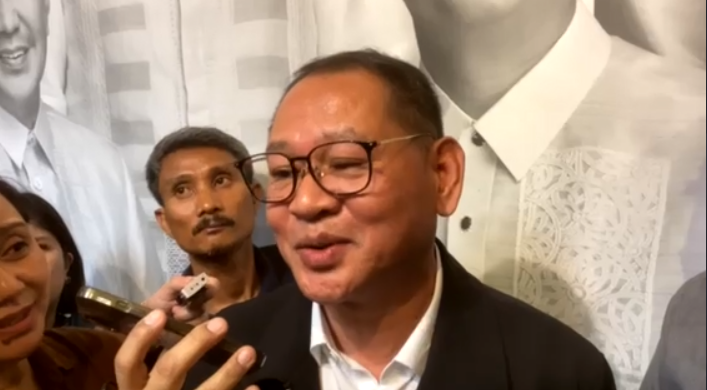
The Office of the Ombudsman ordered the dismissal of retired police major general Mao Aplasca, former acting sergeant-at-arms of the Senate, because of grave misconduct and gross neglect of duty in relation to the May 13 shooting incident inside the upper chamber's premises.
In a statement on Tuesday, the Ombudsman said Aplasca's decision to fire warning shots during the shooting incident was "unjustified, endangered lives, violated established rules on the use of force and reflected a flagrant disregard of his duties as the Senate official primarily responsible for maintaining security and order."
Ombudsman Jesus Crispin Remulla on Saturday announced Aplasca's dismissal from service in his radio program, although he did not specify the reasons for his removal. Remulla said he signed the order for Aplasca's dismissal on Monday, June 29.
With the Ombudsman's decision, Aplasca was dismissed from the service, which carries penalties including forfeiture of retirement benefits. Since Aplasca had already retired from the government, the Ombudsman ruled that he pay a fine equivalent to one year's salary, deductible from his retirement benefits, accrued leave credits, or other receivables, while the accessory penalties remain in effect.
The administrative case against Aplasca stemmed from the exchange of gunfire between personnel of the Senate Office of the Sergeant-at-Arms (OSAA) and National Bureau of Investigation (NBI) agents stationed near the Senate-Government Services Insurance System (GSIS) complex on May 13.
It was Aplasca who fired warning shots, sending Senate personnel, media practitioners, and other civilians inside the Senate premises into panic and chaos.
"The unjustified discharge of firearm caused panic and disturbance, endangered the lives of unarmed journalists and Senate personnel, and resulted in the emotional distress of some Senators. Aplasca's deplorable acts must not be countenanced, and for this reason, he must be held administratively liable," the Ombudsman said, quoting its 18-page resolution on the matter dated June 25, 2026.
At the time of the incident, Senator Ronald dela Rosa was under the protective custody the Senate. He left the Senate hours after the shooting.
Dela Rosa has a standing warrant of arrest issued by the International Criminal Court (ICC) due to alleged crimes against humanity over drug war deaths during his term as Philippine National Police chief.
Aplasca had justified his actions by citing that he believed unidentified armed individuals posed a threat to the Senate, and such warning shots were necessary to protect senators, employees, and facilities based on the Senate's Rules of Engagement for Threat Situations.
Likewise, Aplasca insisted that the incident must be viewed in light of heightened security tensions arising from earlier events involving NBI personnel.
The Ombudsman, however, maintained that there was "no actual, sudden, unexpected or imminent danger to Aplasca and the OSAA because the NBI agents had already identified themselves and were merely positioned along the hallway leading to the GSIS premises before Aplasca fired his weapon."
"If there was aggression, it was Aplasca who started the same," the Ombudsman added.
In a statement Tuesday, Aplasca expressed belief that the Office of the Ombudsman did not consider all the evidence when made its decision to suspend him.
Aplasca said he will challenge the Ombudsman's decision in the proper forum.
"We were expecting the Ombudsman to consider all the evidence we have submitted, but we believe that the decision rendered did not so we will challenge this decision in the proper forum at the right time," he said.
Aplasca, however, said he did not know how the Ombudsman defined threat and aggression. He maintained that an "intruder" to his security jurisdiction.
Debunking Aplasca's arguments
The Ombudsman said its investigation found no evidence that NBI agents initiated an attack against Aplasca or his team.
It likewise rejected Aplasca's claim that the shooting was a "continuation of the confrontation" involving Dela Rosa, who had resurfaced at the Senate after six months of being away from the public eye.
According to the DOJ statement, the shooting and the Dela Rosa incident, wherein the senator ran and evaded NBI agents, involved "different circumstances and different personnel."
The Ombudsman also found that Aplasca's use of a warning shot was unwarranted as it did not fall under the allowable exceptional circumstances when a police officer is outnumbered and overpowered, and facing imminent danger to his life and safety.
According to the Ombudsman's statement, the decision concluded that Aplasca "deliberately disregarded established rules," and thus overcoming the presumption that he regularly performed his official duties.
As for gross neglect of duty, the Ombudsman found that he failed in his responsibility to ensure the safety of people inside the Senate complex.
Saying that civilians were inside the building, the Ombudsman stressed that "Aplasca chose to engage the individuals in the second floor emergency/fire exit despite being reasonably aware that they were NBI agents."
His actions, the decision stated, reflected "a flagrant breach of duties expected of someone tasked to maintain security and order."
It likewise disagreed with Aplasca's argument that the Ombudsman lacked jurisdiction over him as the acting sergeant-at-arms of the Senate, citing Republic Act 6770 in asserting that appointive officials of a co-equal branch of government remain under its disciplinary authority. — VDV, GMA News

