

 GMA Brandtalk
 Tracking
 Archives

SC OKs rules on civil forfeiture of POGO-related assets
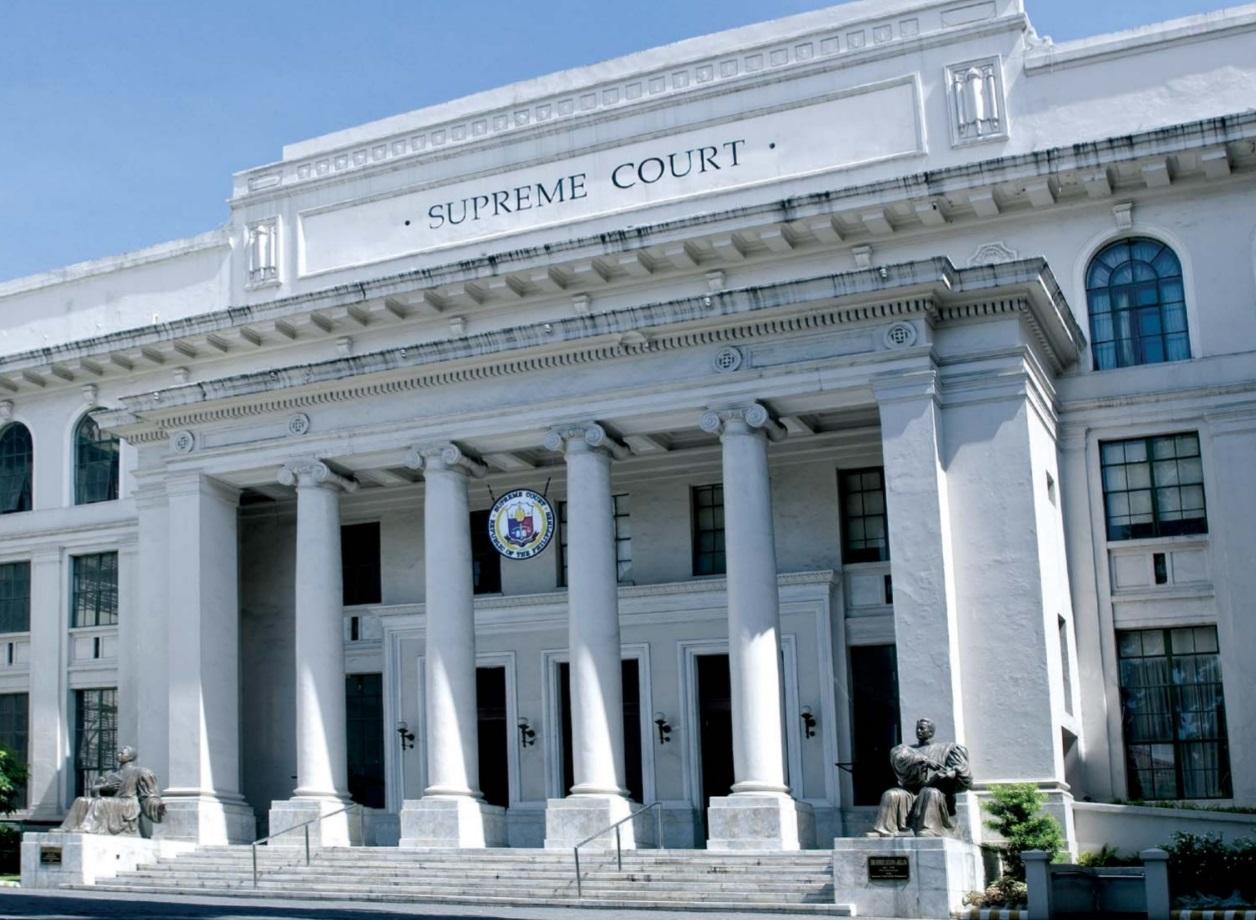
The Supreme Court (SC) En Banc on Monday approved the rules on the proceedings that will allow the government to take ownership of Philippine Offshore Gaming Operator-related (POGO) assets connected to illegal activity.
According to the SC, it approved the Rule on the Civil Forfeiture of POGO-Related Assets pursuant to Republic Act 12312 or the Anti-POGO Act of 2025.
The Rule governs the civil forfeiture of a property used directly or indirectly in illegal POGO activities.
It also establishes a procedure that allows a portion of seized assets to be released before judgment, when necessary, to support government operations or protect victim, the High Court said.
The SC said government agencies, through the Office of the Solicitor General, may file petitions for civil forfeiture before a regional trial court (RTC).
The RTC must determine whether probable cause exists within 24 hours from receipt of the petition.
If there is no probable cause, the petition may be dismissed. The SC said that if the assets were already seized, the respondent may seek their release once the dismissal becomes final.
Meanwhile, if probable cause is found, the RTC may order measures to preserve and protect the assets while the case is pending.
The SC also said that each party is given only 30 days to present evidence and hearings may only be postponed in exceptional circumstance, such as force majeure, acts of God, or substantiated physical inability of a witness to testify.
Should the government prove its case, the SC said the RTC must declare the assets to be forfeited and to grant other appropriate relief.
“A judgment of forfeiture takes effect immediately, subject to the rights of innocent owners, buyers in good faith, and secured creditors. An appeal does not automatically suspend its enforcement unless ordered by the appellate court for compelling reasons,” the SC said.
Meanwhile, it said the RTC must order the property’s return if it finds that the respondent lawfully owns the property and that it is not connected to any illegal activity.
The SC also said that while the Law requires the destruction of seized gaming equipment and other items, the Rule states that these items cannot be destroyed until a final judgment of forfeiture has been issued.
Aside from this, the SC said the Rule requires the judgments of forfeiture to be posted in three public spaces within the city or municipality where the property is located as well as several government websites for seven days.
“Persons who are not parties to the case but claim an interest in the property may file a verified petition within 15 calendar days from the posting of the judgment,” it said.
The SC also clarified that civil forfeiture proceedings are independent of any criminal prosecution for violations of the Anti-POGO Act.
To recall, President Ferdinand Marcos Jr. signed into law Republic Act No. 12312, which bans and criminalizes offshore gaming operations, in 2025.
Under Section 15 of the law, all buildings, structures, facilities, materials, gaming equipment, paraphernalia, and proceeds used in or obtained from prohibited POGO activities shall be forfeited in favor of the government.—AOL, GMA News

