

 GMA Brandtalk
 Tracking
 Archives

EXPLAINER: What is a hostile witness?
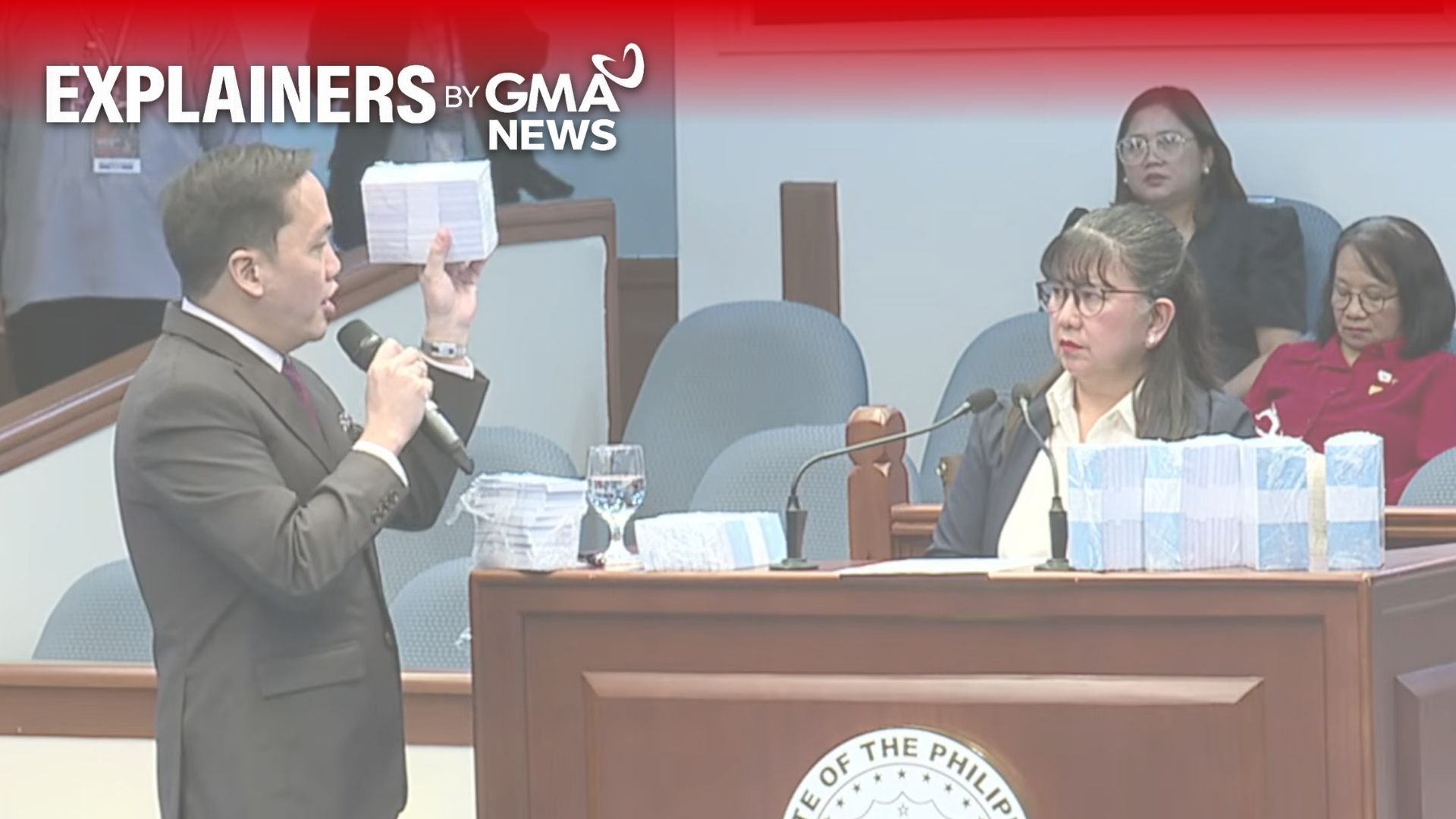
The Senate impeachment court has declared a witness presented by the House prosecution panel in the impeachment trial of Vice President Sara Duterte a hostile witness.
How can a witness be considered hostile?
Section 12 of the Revised Rules on Evidence states that a witness may be considered “unwilling or hostile” only if so declared by the court upon an adequate showing of:
- adverse interest;
- unjustified reluctance to testify; or
- having misled the party into calling the witness to the stand.
On the 16th day of the impeachment trial, Gina Acosta, former special disbursing officer of the Office of the Vice President (OVP), was declared a hostile witness.
Senate impeachment court Presiding Officer Francis Escudero made the ruling after Acosta answered "yes" when Escudero asked whether she would lose her job at the OVP if the Vice President were impeached or removed from office, given that her employment is coterminous with the Vice President’s tenure.
Escudero also recognized the argument raised by private prosecutor Amando Ligutan that Acosta, in a counter-affidavit submitted to the Office of the Ombudsman, said the Vice President did not misuse any confidential funds.
The counter-affidavit was filed in connection with criminal complaints against Acosta over the OVP’s use of confidential funds, a position that runs contrary to the prosecution’s case.
What does this mean for the impeachment trial?
The hostile-witness designation essentially gives the prosecution more control over its questioning of Acosta.
Instead of relying solely on open-ended questions such as:
“What happened after the check was encashed?”
the prosecution can use more pointed questions to establish specific facts:
“You released the P125 million after receiving instructions from the head of the agency, correct?”
This can be particularly useful when a witness is reluctant to provide information or appears to be contradicting the party's expected line of evidence. — MCG, GMA News

