

 GMA Brandtalk
 Tracking
 Archives

Yolanda, two years on: How people are becoming agents of their own recovery
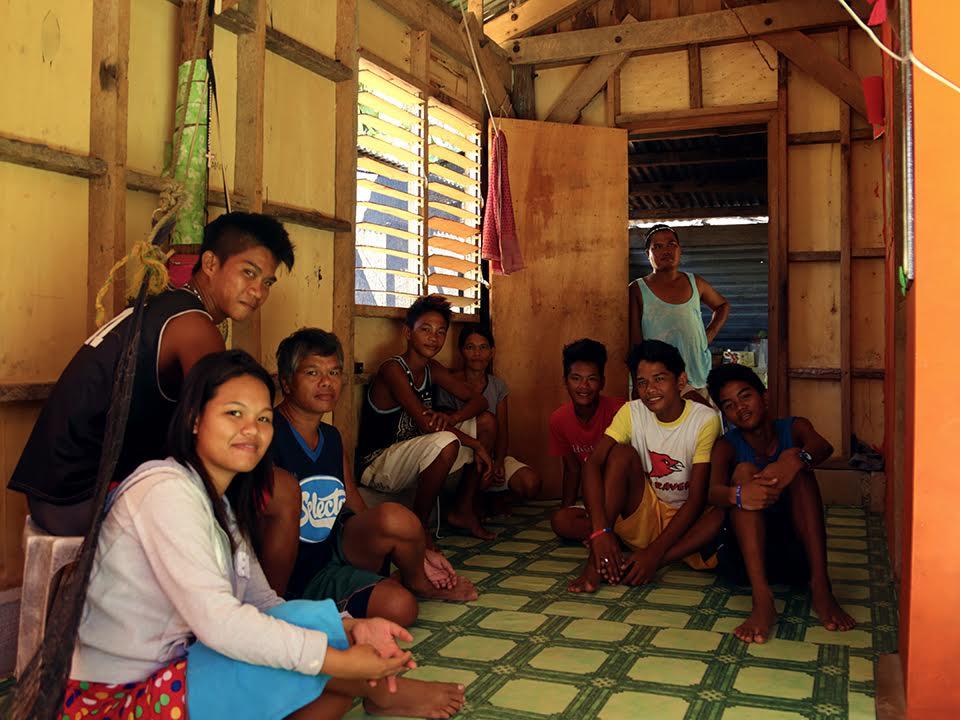
A chorus of protests rose up from the crowd huddled under the shade of a tree in a coastal barangay in Guiuan. We had just proposed reducing the budget of repair per house, and naturally they did not like it. But we explained to them the situation: the value of the Euro had gone down since the start of the program, and if we did not reduce the budget this would mean reducing the number of people who will be assisted. After some negotiation they agreed to reduce the maximum amount of assistance per house.
This is an example of participative budgeting — one of the tools used in the "community-driven" recovery program I was involved in for the past year in Guiuan — the town where super typhoon Yolanda first made landfall in 2013. The community-driven approach encourages typhoon-affected residents to participate actively in their recovery — from the design of the program to its implementation.
Each barangay was given a limited budget to work with. They then underwent a planning exercise where they identified their recovery needs and ranked them according to their priority. They chose to put most of the budget on repair of houses. They were then given the chance to set the criteria for beneficiary selection and prioritization.
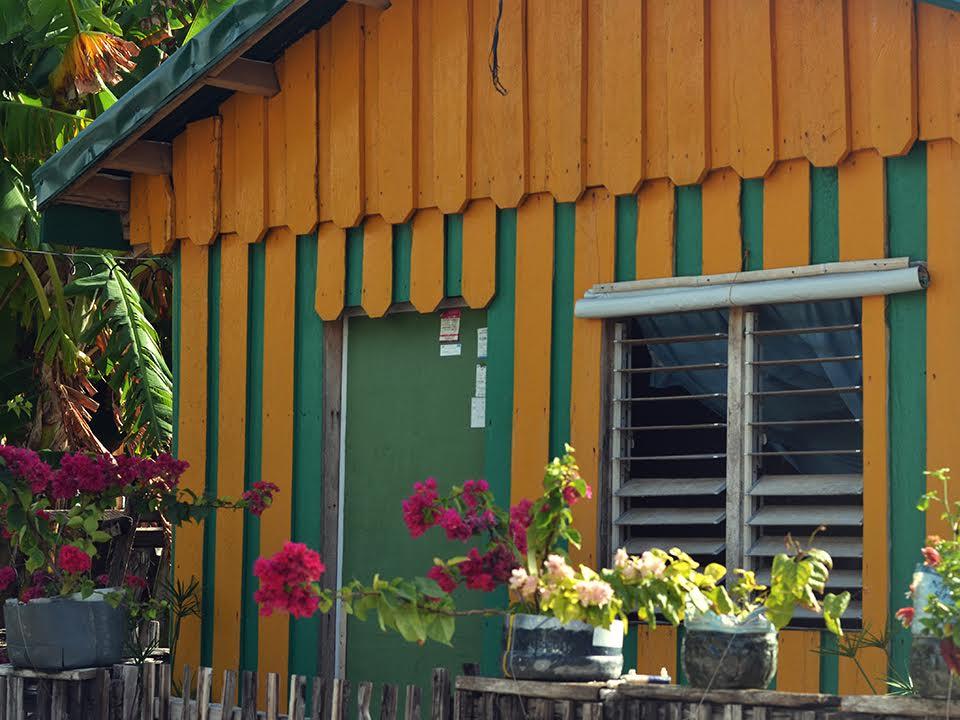
In the repair program, an architect assesses each house and makes the plans and estimate for repairing and strengthening the house. Funds are then given directly to the homeowner, who buys the materials and hires the labor for construction. The process is controlled through a tranche system - homeowners have to complete each tranche before they are given succeeding tranches.
Funds were also provided for community infrastructure. For small projects, the barangay chose to manage the construction themselves. They bought the materials and hired workers. So far, they have installed water pumps, streetlights, and operated a waste materials recovery facility through this system. For bigger projects, they decided to go with a contractor. They formed a committee to manage the bidding.
The livelihood program was implemented through people's organizations. The organizations themselves decided on what kind of enterprise they wanted to do.
Our first requirement was that they should start the enterprise first with their own funds and demonstrate that they can run it. For example, one women's organization wanted to start a food processing and food vending business. They started it through contributions from their members.
Eventually, they were given a grant to buy more equipment and supplies and increase their production. Like the housing program, the funds are also given in tranches - they need to demonstrate that they are able to handle relatively small amounts before bigger amounts are given.
Giving money directly to beneficiaries to implement projects is generally avoided by most government agencies and humanitarian organizations (unless it's a cash disbursement program). Assistance is usually given in kind. Giving money is considered risky. There is fear of corruption and mismanagement. But our experience in this program showed me that people are capable of managing funds by themselves, given the right conditions.
First, the people have to be involved in deciding how the funds will be used. This is accomplished through participatory planning, budgeting, and project design. Through this process they are able to gain ownership of the program and make sure that it meets their needs. It also shows them that the money is not unlimited - that one has to prioritize and not everyone will be assisted or all their desired projects implemented.
Second, they have to get the message that they are accountable for the funds. The tranche system is an effective means of control - the suceeding tranches serve as incentive for them to implement the first tranche well. If this fails, one fallback is using peer pressure — if many households are not able or taking too long to implement, the community itself can be held accountable — further assistance can be held back for the whole group unless they mobilize to resolve the issue.
Third is providing technical help to manage funds. For the housing program, technical officers and master builders regularly inspect the construction, coaching both the homeowner and builder. The livelihood groups are given training on business planning and financial management.
Underpinning all of these is a good community organizing process. The "community" is rarely a homogeneous unified group — more often it is a fragmented cluster of people living in the same geographic area with various interests. Money often becomes a source of tension and envy. A big part of the work is mobilizing people to participate, trust each other, and work towards a common goal. It is also important to ensure that decision making is inclusive and transparent.
Even with the above conditions, some risk still remains. One man spent the housing money in a cockfight. Another woman bought such an expensive door that she couldn't finish the rest of the house. Some homeowners got abandoned by their builders. But these are not the majority. Many go the extra mile to finish their houses - such as painting them and putting in decorative elements using their own funds.
Another challenge is that the standards and time frame of the community might not be the same as the donor's. For example, the donor wants to reach 100 percent completion for all houses. But for most homeowners, 95 percent completion might be enough.
A community-driven process can also be long and slow. People have work and family to attend to. They are not always free to attend meetings and workshops or manage the implementation of projects. An organization cannot always adjusting to the community's pace if it has a time-bound program.
Ultimately, however, doing a community-driven approach is worth it. Too often we hear stories of disaster victims helplessly waiting for aid. Years later, it seems they are still waiting and complaining that help has not come.
But while there is much to be improved in how government and humanitarian actors provide aid, people can and should be the agent of their own recovery. All of us who want to help are merely there to facilitate it. By pushing them to be more active, responsible, and accountable, they gain the attitude necessary to become more resilient.
Amillah S. Rodil is an urban planner and architect who has spent the past two years working in Yolanda rehabilitation projects, first in Tacloban City and later in Guiuan, Eastern Samar.
The views expressed in this article are those of the author and do not necessarily reflect the position of this website.

