

 GMA Brandtalk
 Tracking
 Archives

People power in Lipa in 1898
Lost in the fog of history is an epic civilian-backed, people-power triumph in Batangas in 1898 – in the same week that Aguinaldo was declaring Philippine independence in Cavite.
I’ve been fascinated by this obscure episode in Lipa because it shows the underappreciated role of Batangas and Batangueños in the Philippine revolution; and because it’s an inspiring piece of history few have ever heard of.
The siege of Lipa that rallied the community and ended in victory with little bloodshed could help us reassess our place in the world: the 1986 EDSA people power revolt that inspired similar non-violent uprisings elsewhere may not have been an unprecedented fluke of history. A mini EDSA took place less than a hundred years before.
It was in that second phase of the revolution, after Emilio Aguinaldo and his men had come back from exile in Hong Kong.
Reeling from the renewed fervor of Filipino revolutionaries and a trigger-happy American fleet in Manila Bay, Spanish forces from around Batangas were on the run.
The plan was for the Spanish to consolidate with a mother unit in Batangas City, which had a port and an exit route.
Some troops never made it. With Katipuneros led by Rizal’s older brother Paciano in hot pursuit, a column of Spanish infantry took refuge in Lipa inside the priests’ compound next to the cathedral.
There they stayed for 11 days – June 7-18, 1898 – as Filipino revolutionaries swelled in number around the compound, with civilians in Lipa coming to their aid with guns, food and horses.
“Everyone in Lipa, including the wealthy, helped,” wrote the statesman and historian Teodoro M. Kalaw, then a teenager in Lipa whose father took part in the siege. “Their cattle were butchered, rice from their farms was brought in, and their horses were used by the Filipino officials and soldiers.”
The siege ended when a Katipunan general, Eleuterio Marasigan, brought in a cannon from Cavite and began bombarding the compound. Frightened by the firepower and running out of food, the Spaniards surrendered with no known deaths during the siege, and their weapons added to the arsenal of the revolutionaries who went on to liberate much of southern Tagalog.
Over those 11 days in June in 1898, which included June 12, Filipino revolutionaries and their civilian allies showed patience, creativity, fortitude, and perhaps even compassion.
Well-informed Lipeños knew what was at stake and came out to support their armed kababayan from neighboring towns and provinces.
The revolutionaries’ triumph liberated Lipa and began an era of real independence in Batangas. It was a time when Lipa enjoyed something of a renaissance, with a widely read newspaper featuring some of the leading writers of the time, Columnas Volantes; a prestigious new school, the Instituto Rizal; and active social clubs. Lipa was like “another Athens,” wrote an exuberant Kalaw, “where the select and illustrious in culture and the arts met.”
Alas, both the Athenian idyll and Batangas independence were short-lived. By early 1900, US troops had invaded the province and Filipinos would resist at the cost of tens of thousands of lives lost to disease, hunger, and conflict. The local economy would be devastated.
But that shining moment in Lipa in 1898 perhaps found its way into our cultural DNA, emerging in 1986 to help defeat a dictator, and ready to energize Filipinos again in their darkest hours.
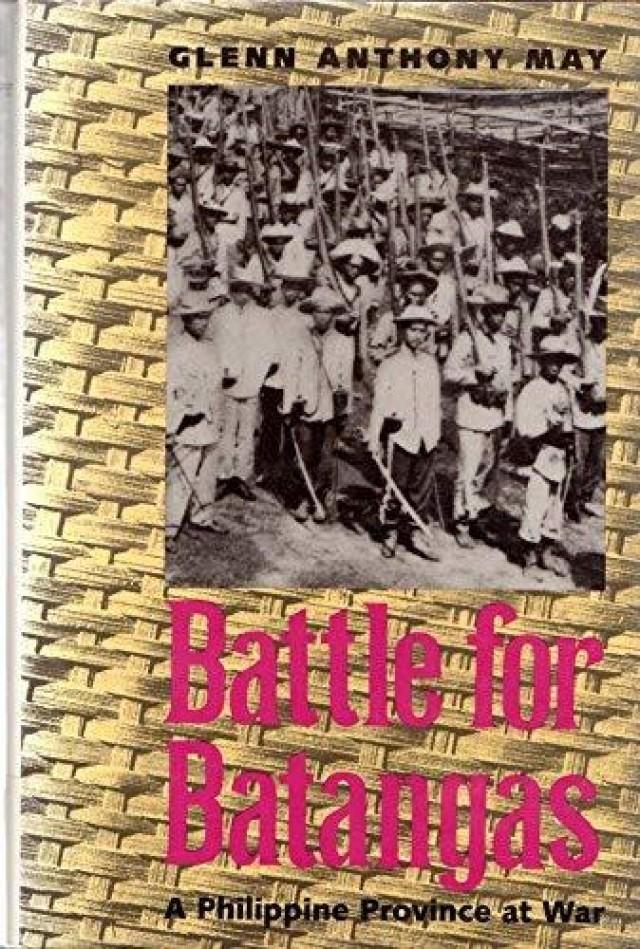
(Thanks to Dr. Jigger Gilera for the scanned pages from Teodoro M. Kalaw’s book, “Aide-de-Camp to Freedom,” a main reference for this article, along with the book “Battle for Batangas” by Glenn Anthony May)

