

 GMA Brandtalk
 Tracking
 Archives

Cebu earthquake aftershocks now at 2,461 —PHIVOLCS
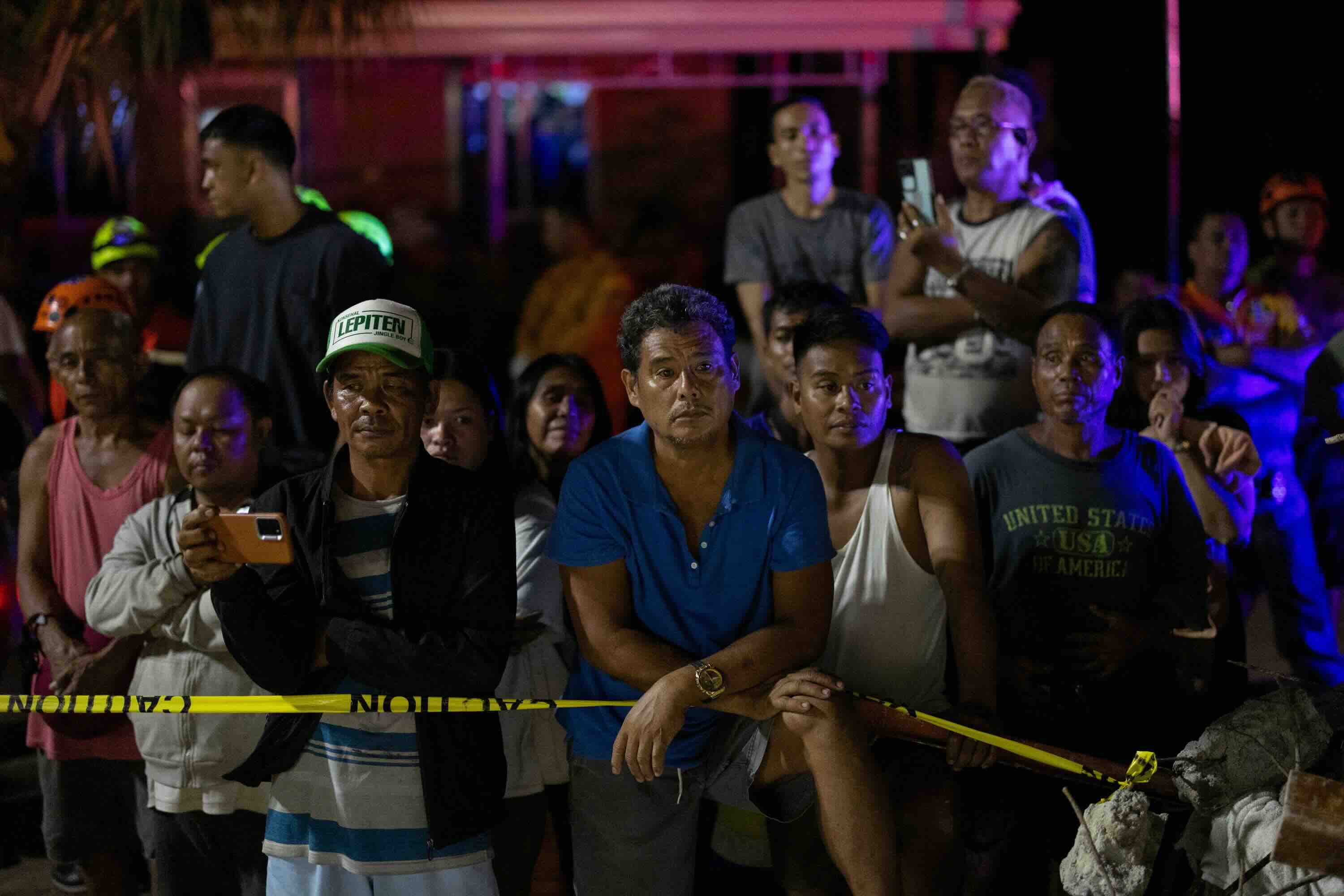
Aftershocks from the Cebu earthquake have reached 2,461, according to the Philippine Institute of Volcanology and Seismology (PHIVOLCS) as of 6 a.m. on Thursday.
PHIVOLCS said that the aftershocks ranged from magnitude 1.0 to 5.0 and that only 13 were felt.
"Ang pinakamataas ay magnitude 5 (aftershock) na nangyari kagabi 10:46 p.m.... 13 yung naramdaman ng mga tao," said PHIVOLCS director Dr. Teresito Bacolcol in an interview on Unang Balita.
(The highest was a magnitude 5 (aftershock) that occurred last night at 10:46 p.m. 13 of them were felt.)
Bacolcol added that aftershocks are expected to continue in the coming days.
"We expect the aftershocks to last several days, even several weeks. So, yun naman po talaga yung measure ng aftershocks natin. Pero habang tumatagal naman, magdedecrease yung number ng aftershocks at magdedecline din yung strength ng aftershocks," added Bacolcol.
(We expect the aftershocks to last several days, even several weeks. So, that's really the measure of our aftershocks. But as time goes on, the number of aftershocks will decrease, and the strength of the aftershocks will also decline.)
As of Wednesday night, the reported death toll from the magnitude 6.9 earthquake that struck Bogo City, Cebu has climbed to 69, based on the figures of the Office of Civil Defense (OCD).
Most of the casualties were pinned down or hit by debris.
LIVE UPDATES: Cebu earthquake (Oct. 2, 2025)
OCD has warned the public to avoid going back to their houses until authorities declare it is safe to do so.
"Puwede naman po silang bumalik, but people should be cautious of the structures na visibly weakened at may signs of damage," Bacolcol also said.
(They can return, but people should be cautious of the structures that are visibly weakened and have signs of damage.)
"For example may nakita silang cracks, bago sila bumalik dun, they should consult their municipal or city engineers and seek further advise. Kasi po kung hindi ito totally bumagsak during the main shock, baka babagsak eto during a strong aftershock," he further explained.
(For example, if they see cracks, before they return there, they should consult their municipal or city engineers and seek further advice. Because if it doesn't completely collapse during the main shock, it might collapse during a strong aftershock.) —VAL, GMA Integrated News

