

 GMA Brandtalk
 Tracking
 Archives

Two years after Yolanda, the sea remains broken in Guiuan
The same sea that had always provided livelihood to the people of Guiuan, Eastern Samar also proved to be the source of their destruction when Typhoon Yolanda flattened the remote town in 2013.
Two years after, Guiuan fisherfolk are still reeling from the effects of the storm.
"Pagkatapos ng Yolanda, dumilim ang dagat dahil sa baha," 41-year-old Manuel tells GMA News Online. "Parang kulay gatas. Mahirap mangisda."
Manuel had relied on spearfishing before the super typhoon swept away his materials, along with his home.
"Yung bahay namin, na-wash out," he says, adding that his family lost everything they owned. "Malakas ang impact ng Yolanda. Nagkasira-sira talaga lahat."
The death toll in Guiuan was lower compared to its neighboring towns in Samar and Leyte, mainly because they were spared from storm surges during Yolanda.
But Manuel's dwelling was especially vulnerable because it stood on top of the beach, the stilts constantly courted by the waves approaching the shore.
After Yolanda swept his home out to sea, thankfully sparing his family and the other members of the community, Manuel had no choice but to rebuild it himself.
Many fishermen had been provided with new boats and homes by aid organizations, but Manuel's house in Barangay Sulangan was neglected because it was located in a no-build zone.
"Yung dati naming bahay, ako lang nag-ayos... pero sira-sira parin. 'Di gaya ng mga rinepair, maganda na bahay nila. 'Di daw pwede ayusin yung mga bahay, dahil no-build zone," he says.
The father of six also built his own boat, but the sea remains broken in the wake of Yolanda's strong winds.
The corals close to their area had been shattered, driving the fish away.
"Yung mga isda, wala silang mataguan. Aabot siguro ng 10 years bago bumalik [yung corals]," Manuel says.
According to the fisherman, there are limited livelihood options in Guiuan beyond the sea.
"'Di kami tulad ng Tacloban... doon pwede sila magtanim. Dito dagat lang eh. Sentro kami dito sa Pasipiko," Manuel said.
"Kung masama ang panahon standby kami. Dagat lang naman hanapbuhay namin dito," he added.
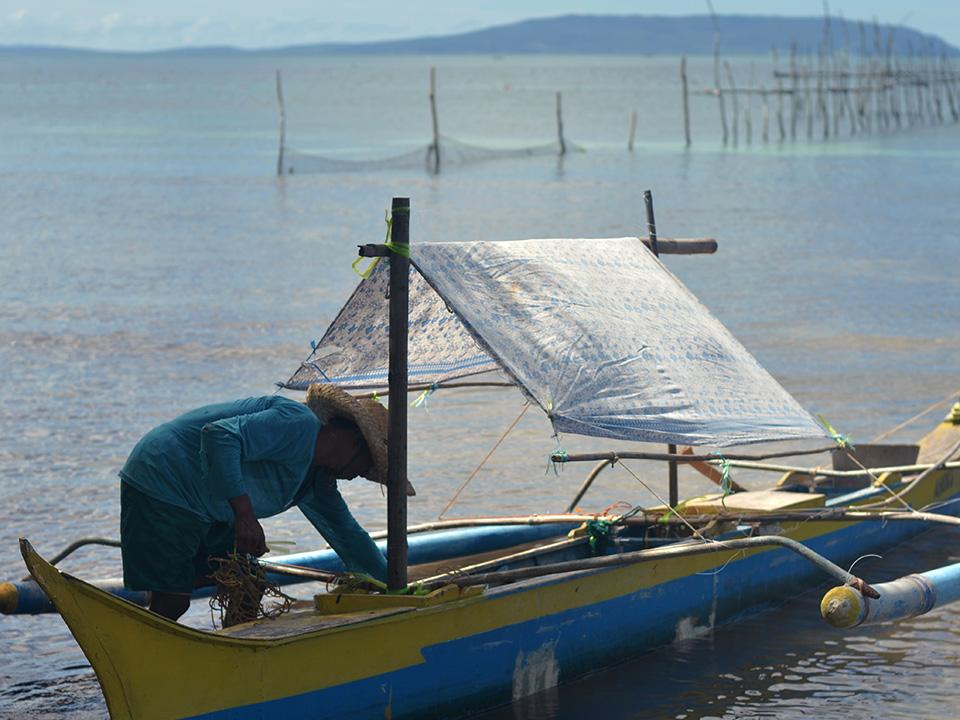
The residents of Barangay Sulangan, located at the edge of Guiuan beside the sea, were crippled enough by Yolanda to be kept away from their jobs for at least half a year.
According to Rosaryo, the town is not a stranger to storms. Typhoons, when they arrive, usually clear out a huge portion of the seaweeds they plant in the seabeds.
However, Yolanda was a different story. Days after the skies cleared, the farmers picked at the ruins scattered in the sea and found that not a single seaweed survived.
"Nung Yolanda, lahat talaga nasira," says Rosaryo Abrononso, 58, who has been a seaweed farmer for as long as she can remember. "Pinag-umpisahan naming lahat ulit... mga April na ulit. Hinintay muna namin umayos yung dagat."
The 58-year-old struggled to get back up after the storm because she has children and grandchildren to care for, and no husband to aid her.
"Mahirap din, kasi babae ako, walang lalaking tutulong sa akin," she confided. "Eh kailangan sumisid sa dagat para itanim yung seedlings."
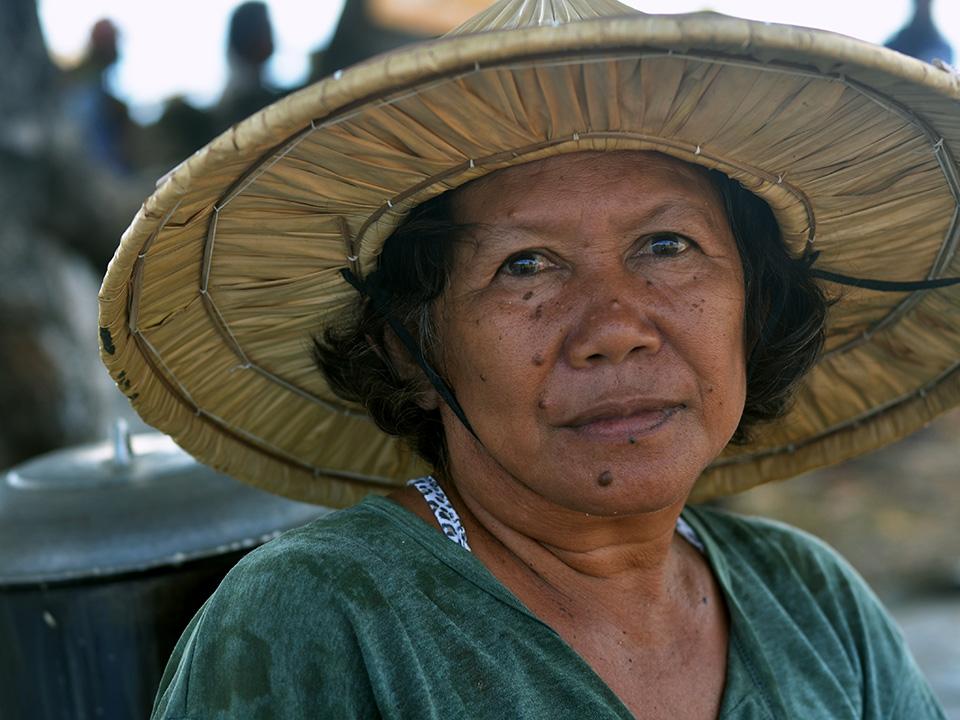
Rosaryo was one of the people who grasped the financial aid provided by various organizations offering livelihood programs with both hands. The aid provided materials and funds to groups who formed livelihood associations.
Dozens of seaweed farmers came together and received boats and seedlings. It was enough to restart their lives, Rosaryo says.
There are currently 31 members in the association. They sit together on a patch of grass overlooking the sea after a potluck lunch. They had already finished planting the seedlings for the day, not having plenty to begin with.
"Kakasimula pa lang namin...wala pang pondo," Rosaryo explained.
While they are apprehensive of future typhoons that could crush their town, the seaweed farmers are still eager to get back out to the ocean.
"Wala naman kaming hanapbuhay na iba," one of them said. "Ito yung pambili ng pagkain." --JST, GMA News

