

 GMA Brandtalk
 Tracking
 Archives

Emperor Akihito’s PHL visit aims to solidify PHL-Japan relations
Two generations have passed since World War II and most Filipinos now wouldn’t imagine that a fourth of their ancestry were wiped out by the Japanese military who were following the orders of Japanese Emperor Hirohito.
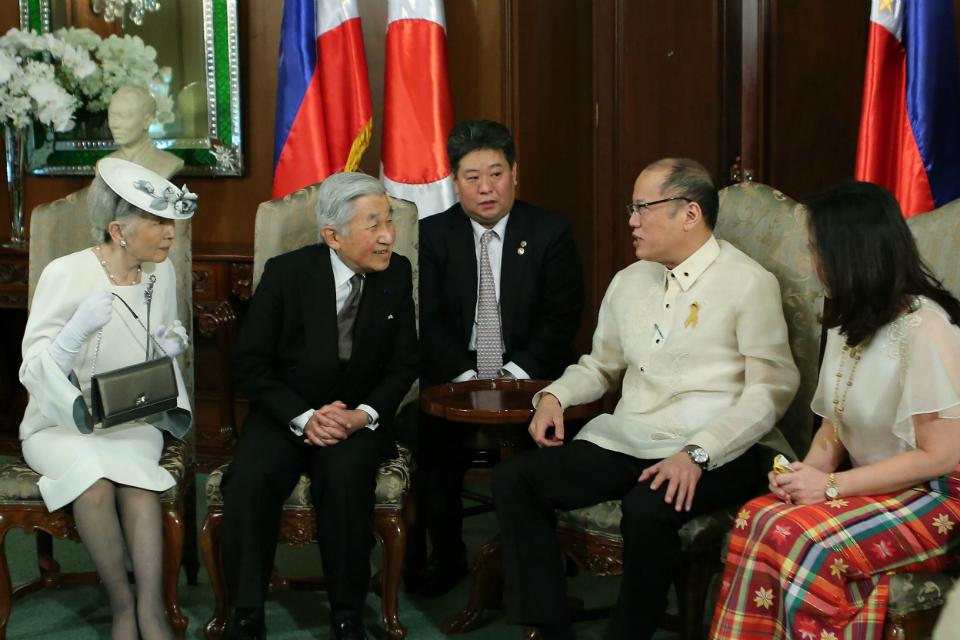
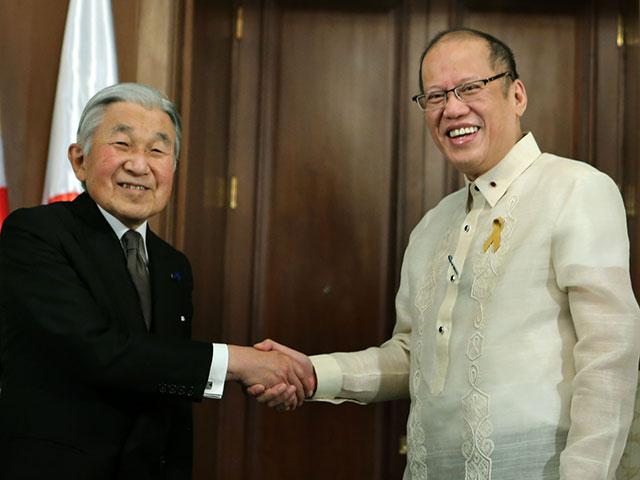
Hirohito’s son, Japanese Emperor Akihito, is now here in Manila — the first visit of a Japanese head of state since World War II. He has no power now, thanks to the post-war Japanese Constitution reducing the Emperor’s position to a mere ceremonial figure.
But his visit came at a time when Filipinos and Japanese were again on edge over a growing, seemingly expansionist neighbor — China.
For 82-year-old Emperor Akihito, he brings a strong message coming back here to his dad’s former occupation — don’t forget the war.
Profound apology
Ambassador Hatsuhisa Takashima, press secretary to the Japanese Emperor, said he spoke with Emperor Akihito and Empress Michiko days before coming to Manila and he was surprised over their “sincerity and interest” in the Filipino people.
The Imperial couple has been to the Philippines in 1962 as then Crown Prince and Crown Princess, representing the Emperor Hirohito. Back then, he said, the two were “nervous” coming here because the anti-Japanese sentiment was still very high and recovering from war.
“But when they came here, they were surprised that the President (Diosdado Macapagal) was at the airport to greet them. They were also greeted by warm-hearted Filipino people. The tension among the Prince and Princess’ heart faded away and they started enjoying their stay not only in Manila but also in Baguio,” Takashima told a select group of Philippine journalists Tuesday night.
They met quite a number of Filipinos that both Emperor and Empress "still remember very much in detail," including then Gloria Macapagal who was still accompanying her father as a child.
This warm reception drove the Imperial couple to go back to the Philippines. They have been wanting to return but have been sidelined by their health concerns. Emperor Akihito had cardiac arrest and prostate cancer.
“Emperor Akihito was on his way to the Philippines after his visit to India (in 2013). But he suddenly fell ill. He apologized to the President for not coming to the Philippines,” Takashima said.
Although already in their twilight years, the Emperor and Empress are in "good health," he said. The two seemed to be fit to fly over to the Philippines and their itinerary has been filled with activities including a trip to Laguna.
Over a state banquet Wednesday night in Malacañang, the Emperor would most likely reiterate his “profound apologies” to the Filipino people for the atrocities committed by the Japanese Imperial Army during the second World War.
But more than that, the Emperor would like to stress that he would like the new generation of Japanese people to “remember” that there was a time that their ancestors have killed thousands of innocent Filipino civilians who were just caught in the middle of the fight of superpowers.
“The younger generation of Japan is losing memory of the war. It is extremely important for the Japanese people to keep that memory alive,” Takashima said, recalling that Akihito was then 11 years old when the Americans bombarded Tokyo and being a member of the royal family, he was evacuated to the mountains. After the war, the Imperial Family returned to Tokyo and was devastated to see that the city had been reduced to ashes.
“The Emperor thanks the Filipino people for forgiving the Japanese people,” he added. “Most Filipinos are Christians. They forgive but they don’t forget. He wants the same thing for the Japanese people. Not to forget.”
Comfort women
However, the Emperor is in no position to exert influence over the policies of the Japanese government, including those that affect its relations with the Philippines.
“The Emperor is aloof of daily diplomatic affairs. According to the Japanese Constitution, he is designated as the symbol of Japanese people’s unity. He is not the head of state. Nothing more, nothing less,” he explained.
When asked about the clamor for justice of a group of Filipino "lolas" or grandmothers who were raped by Japanese soldiers during the war, Takashima replied that "the Emperor does not deal on those issues by himself.”
“I don’t believe there is ongoing discussion between the government as a kind of diplomatic issue that needs to be resolved,” he said.
He noted that there was a private sector-led initiative, called Asian Trust Fund, wherein the Filipino comfort women received war compensation. There were 172 Filipino comfort women who registered to avail of the Fund. One hundred two of them have already died while the rest are now sick.
Among the comfort women in Asia who received the Asian Trust Fund, the Filipinos received the largest medical and welfare assistance, he claimed.
“Although that scheme has ended, I know that my colleagues from the Foreign Ministry follow up Filipino and Indonesian comfort ladies. They come once or twice a year to check on their living condition,” he added.
He explained that the Japanese government struck a separate deal with the South Korean comfort ladies last December. He said it is up to the Philippine government to request the same to the Japanese government for the Filipino comfort women.
“If the Philippine situation requires more, if it becomes an issue with the Philippine court or Congress, then the Japanese government may respond to the request,” he added.
South China Sea and East China Sea
Takashima said Tuesday night he has no idea what the Japanese Emperor will discuss during his one-on-one meeting with President Aquino on Wednesday.
He is not certain too that issue of mutual interest for Manila and Tokyo like China’s expanding territories in the South China Sea and East China Sea would be brought to the table. Japan has an ongoing territorial rift with China too, on claim over Senkaku Islands in the East China Sea.
“That’s probably the question you should ask from the Japanese Foreign Ministry,” he said, drawing laughs from the media who kept on egging him about the Emperor’s thoughts on China.
He said the Japanese Emperor also distanced himself over domestic issues, including the heated debates in the Japanese Diet to changing Article 9 of the Japanese Constitution which bans Japan to deploy soldiers to foreign soil.
While the Emperor was perceived as a “pacifist,” Takashima didn’t see the Article 9 amendment as opposed to the Emperor's views. The changes in the Constitution, he said, merely reflected the needs of the modern times like sending Japanese troops to Afghanistan and Iraq to be able to extricate Japanese nationals trapped in the conflict and to provide search and rescue and relief operations to countries hit by disasters like Supertyphoon Yolanda in the Philippines.
So while the Japanese Emperor’s spokesman downplays this rare visit as a good-to-see-you again trip, he is optimistic that it would “solidify” the 60-year relations between the Philippines and Japan.
“It’s going to be casual, cordial, and forward-looking,” Takashima said. —KG, GMA News

