

 GMA Brandtalk
 Tracking
 Archives

Science and service meet in the hands of Manila’s master microbiologist
Every human being has to be taken care of.
This is the belief that Dr. Esperanza Cabrera carries, 38 years into the field of microbiology.
Even with a number of achievements under her belt that earned her the title “Manila’s Master Microbiologist” and a spot among Metrobank Foundation's Outstanding Filipinos, Cabrera has not forgotten the purpose of such knowledge.
“The ultimate purpose of science and all other professions is to work for the common good,” she told GMA News Online.
The De La Salle University professor has pioneered and participated in research that aims to improve the lives of others.
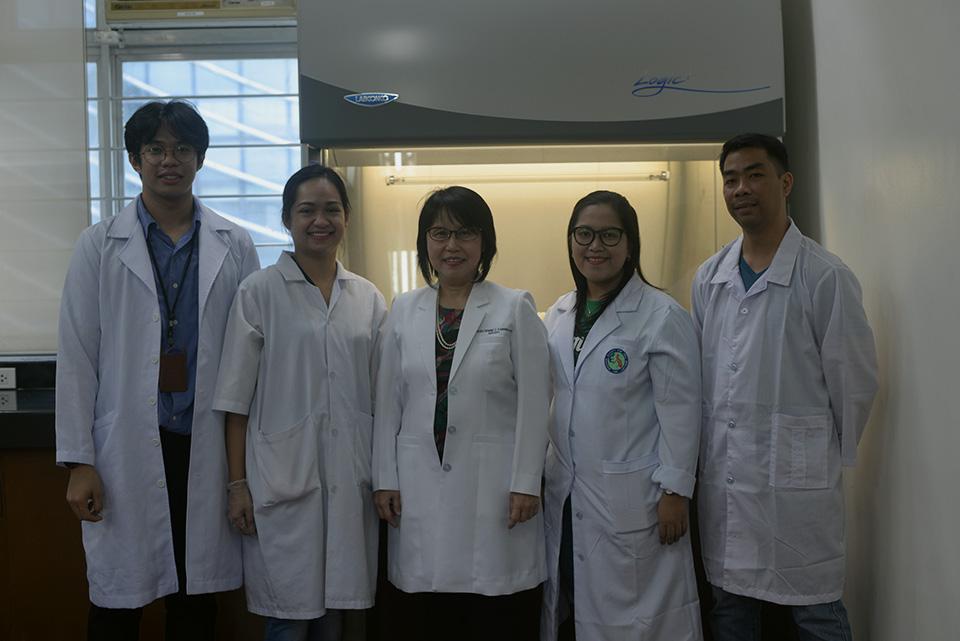
Ending a boil outbreak
One of the most notable studies she led looked into the dangerous bacteria lurking in the Manila City Jail and New Bilibid Prison.
In 2009, working with medical staff from the Philippine General Hospital, Cabrera discovered that the wrong antibiotic was being prescribed to the inmates, leaving the infection untreated and in danger of spreading to the community.
The methicillin-resistant Staphylococcus aureus (MRSA), if left unmanaged, could be deadly.
“The strain that we found, aside from being resistant to a number of antibiotics, also possesses the virulence gene. When I say virulence gene, this would be coding for proteins that would cause diseases,” Cabrera said.
“This is a deadly strain...it’s really infectious, especially in crowded areas, especially if you don’t have personal hygiene,” she added.
Seeing the skin infections of the inmates and witnessing their pain left no doubt in Cabrera’s mind that they had to be treated.
“'Pag ikaw mismo pumunta ka doon sa kanila...they are humans, they have to be taken care of, no matter how big their crimes have been,” she said.
“'Yung iba kasi...'yung pigsa na maraming mata, may ganun. Inflamed na 'yung mga 'yun eh...namumula na, mainit na, masakit na, namamaga. Sabi nga ng inmates, 'yung ginagawa nila, 'yung sigarilyo binu-burn na lang nila 'yung kanilang lesion, kasi ang tagal-tagal na. Ang problema, pwedeng dumami 'yun sa katawan eh, pwede mag-start siya sa isa tapos kakalat sa iba. Talagang sasabihin mo na i-address kaagad,” she added.
Treating the inmates stopped the transmission of the strain, but Cabrera said it lurks in the community. There is always the danger of it spreading again.
On the bright side, Cabrera’s research is made available to involved administrators, so necessary measures can be implemented in the event of a recurrence.
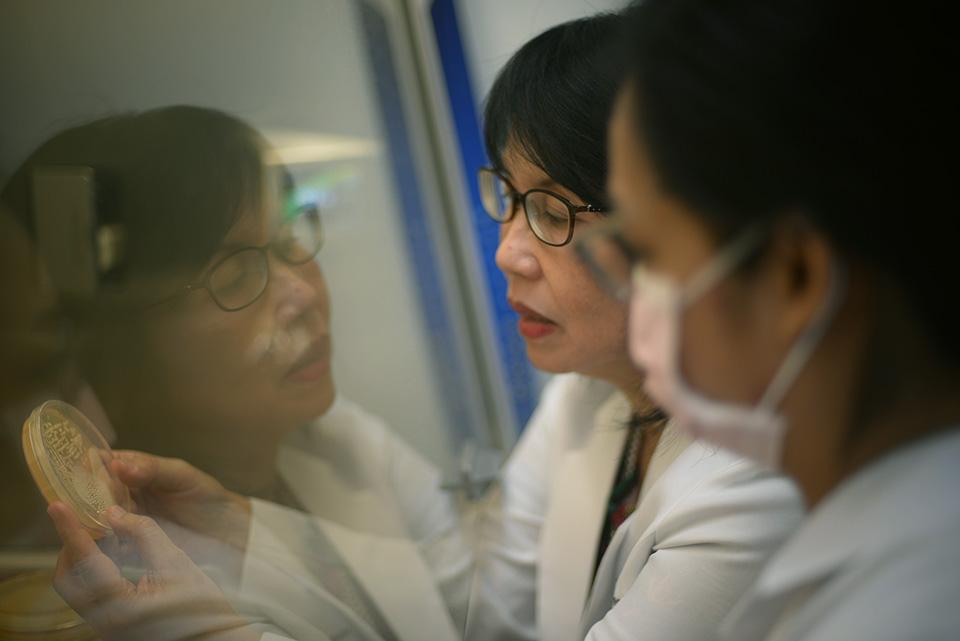
Concern for the community
Now, Cabrera is helping train the next generation of competent and compassionate scientists.
Even as they learn the necessary practices for the field they’ve chosen, students are also taught to care for the community.
“Karamihan [ng research projects], involved ang students. This is our way to ensure they are concerned about the community,” said Cabrera.
She proudly described a project that three of her thesis students have lined up: a study of the drinking water of households in Batangas.
Cabrera said that a certain community gets its drinking water from a well, which may potentially cause an outbreak should the water be proven contaminated.
After the study, they plan to trace any contamination and suggest measures to prevent sickness in households.
Cabrera said that socially relevant research like this ensures that future scientists are taught about the realities people face and how to relate with them.
“When students are tasked to do research, they learn the concepts in science. By engaging the students to do research with social relevance, they are further developed to become better persons equipped to serve the community,” Cabrera said.
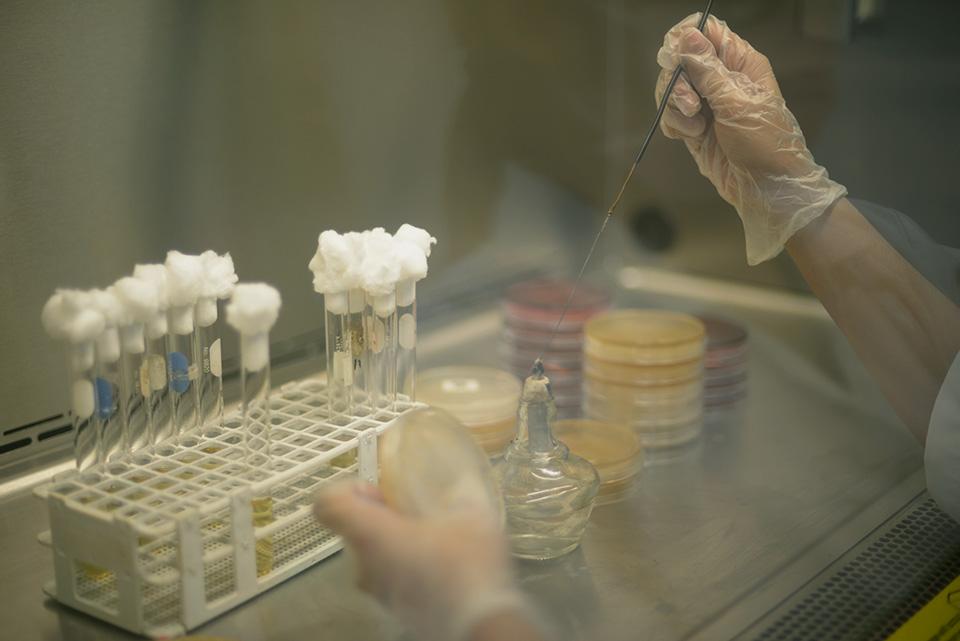
A need for more microbiologists
There is still a glaring lack of microbiologists in the Philippines.
While the field is quickly evolving, Cabrera said, there are few takers among science and medical students.
“Evolving ang field na 'yan, ang bilis ng development diyan. It’s a good area to go into...ang problema, kulang tayo sa microbiologists,” she said.
Part of the problem is that there are hardly any schools that offer microbiology as a course—it is commonly offered as a subject in different courses.
“Ang field ng microbiology ay isang area na dapat ma-develop sa bansa. Sa ngayon, there are not many schools that are offering microbiology as a major area. BS Microbiology…'Yun ang kulang tayo,” she said.
There is also the issue of microbiologists not being licensed, as there are no board exams for those who choose this field.
To fill in this gap, the Philippine Academy of Microbiology (PAM) started offering certifications for those who have taken 24 units of microbiology and pass their exam.
Today, employers, researchers, and even the Department of Health recognize PAM-certified microbiologists.
Another challenge that the field of microbiology faces in the Philippines is the lack of budget for complete equipment: microscopes, sterilizers, biosafety cabinets all come with a hefty price tag.
“It’s the budget...sa Philippines marami nang suppliers very competitive ang prices. Ang budget ang problema,” Cabrera said.
Despite this, Cabrera has reason to hope.
She said that over the years, she has noticed increasing interest in the field.
“Marami nang pumipili ng micro thesis kahit mahirap siya gawin,” she said. — BM/KG, GMA News

