

 GMA Brandtalk
 Tracking
 Archives

ADVERTISEMENT
Filtered By: Topstories
News
‘Lugaw,’ ‘bibingka,’ and other rice delicacies
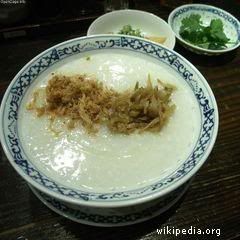 MANILA, Philippines - With the growing concern over the reported increase in rice prices, will Pinoy delicacies made from rice be soon forgotten? Before the “suman," bibingka," and “puto" become just part of our gastronomic history, let us savor the flavors that have become part of our being Filipinos. Who can forget the good ‘ole lugaw (rice porridge), that soft-boiled rice mixed with meat broth, sprinkled here and there with chopped scallions and crispy fried garlic, that our moms offer when we get sick? You would have wanted to add beef tripe to make goto or have it served with tokwa't baboy (tofu and pork), but your refrigerator is bereft of the necessary ingredients. So you decide to inflict a tinge of yellowness to the porridge by adding kasubha (saffron) and hurled black pepper into the congee. Voila! Your lugaw transforms into arroz caldo. Sipping the staple In the mountains of northern Luzon, natives have long enjoyed a beverage that could rival the popular Japanese sake. Filipinos call it tapuy. The production of the local brew has been done by folks living in the Cordillera region, specifically in Apayao, Benguet, Kalinga, and the Mountain Province. Drinking tapuy has even become part of traditional rituals. The Philippine Rice Research Institute even perfected a procedure in making tapuy with an alcohol content (14 to 16 percent) relatively higher than the usual grape wine or beer. The new breed of PhilRice tapuy even has a longer shelf life. The beverage is produced by letting cooked rice inoculate with a very small amount of rice yeast called bubod for two days and letting the mixture ferment for another two weeks inside a jar. The juice from the freshly fermented rice needs to be pasteurized for 30 minutes before it is stored for two months. The clear wine will then be siphoned to isolate it from the residues that settle at the bottom of the container. The wine will undergo final pasteurization before it is bottled. A kilogram of glutinous rice can produce three 350-ml bottles of rice wine.
 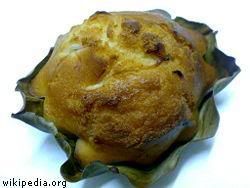 The traditional golden and puffy bibingka is made from rice flour mixed with coconut milk, sugar and vegetable oil, and topped with salted eggs. The baked mixture is glazed with butter and sprinkled with sugar and grated coconut and wrapped in a banana leaf. At home, after lunch, a Filipino then goes looking for suman. Although there are several ways of making the delicacy, the ones made of glutinous rice (malagkit) are always the favorite. It is not a surprise that such an appetizing treat entails a meticulous process of preparation – cooking the rice which was soaked overnight, mixing it in coconut milk and salt or sugar, before putting it on a steamer. The yellowish appearance of the suman is from turmeric or "luyang dilaw" that is mixed with water used to steam the rice mixture. Leaf wrappers of the suman come in a wide array of style, depending on the locality. These woven fronds can also appear in different sizes and shapes from the common coiled cylinder to the pyramid and ice-cream like cone. Unlike rice cakes that could be native in specific regions of the country, the ubiquitous suman is present in most provinces with varying ingredients.
