

 GMA Brandtalk
 Tracking
 Archives

EXPLAINER: Why are tourists drawn to Nepal?
A massive flash flood ravaged the Nepal-Tibet region on Wednesday, August 26, killing over 470 people and wiping out communities along its trail of destruction. The number of missing individuals has swelled into the thousands and has been rising days after the disaster.
Nepal tourism officials reported late Thursday that more than 400 foreigners were among the 579 missing tourists.
The foreign tourists include 47 from the United States, 34 from Australia, 33 from Britain, and 24 from Canada, Reuters reported.
A 30-year-old Filipino doctor, Juan Carlos Manalo, was on a pilgrimage tour in Nepal when the flooding struck and is currently missing, according to his family. Philippine authorities have confirmed that a Filipino remains missing in the wake of the disaster, but were awaiting official confirmation from Nepalese authorities.
The images of Wednesday's catastrophic destruction are in stark contrast to the tranquil, breathtaking natural beauty of this small nation, which has regularly drawn tourists from all over the globe.
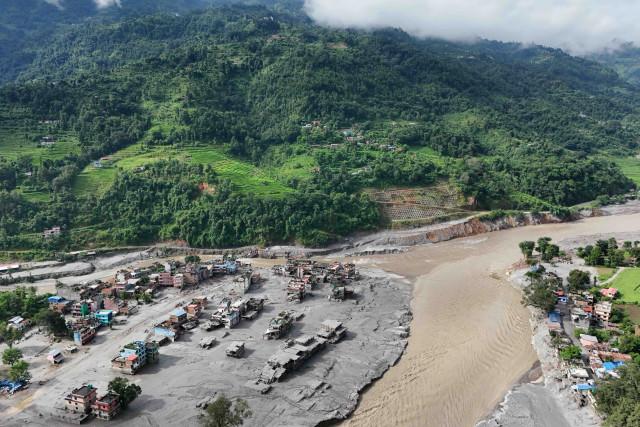
Manalo is just one of the many pilgrims traveling through parts of the region swept away by the flood.
Aside from pilgrims, trekkers and mountain climbers come to Nepal seeking to scale points of Mount Everest or other peaks along the Himalayan range.
In 2025, international tourist arrivals in Nepal reached over 1.15 million, according to the NTB.
Majority of these visitors arrived from South Asia, the rest of Asia, Europe, Oceania, and the Americas, including over 5,800 tourists from the Philippines.
In January 2026 alone, Nepal recorded 92,571 international visitor arrivals.
Pilgrimage
The Kailash Mansarovar pilgrimage was cited as one of the key activities underway when Wednesday's flash flood hit. This is a sacred journey undertaken by Hindus, Buddhists, and Jains, among others.
The pilgrimage aims to circumambulate Mount Kailash, a high-altitude site in Tibet. Devotees also bathe in the high-altitude waters of Lake Mansarovar—a ritual believed to cleanse sins and grant spiritual liberation.
Annually, it takes place between May and October, with travel traffic usually surging between June and August to align with holy full moon dates.
Although the destination is not located directly inside Nepal, the country serves as its primary gateway. While alternative routes exist, travel guides frequently recommend the path via Kathmandu in Nepal as the simplest and shortest option.
A round trip from Kathmandu to Mount Kailash takes about 10 days, making it significantly quicker than alternative routes starting from India or inner China. It is also noted for offering a relatively low-altitude entry point through the Himalayan mountain passes.
Pashupatinath Temple
Along the banks of the River Bagmati is the Pashupatinath Temple, which stands as one of the country's most renowned pilgrimage sites and is designated as a UNESCO World Heritage Site.
It is a central sanctuary for Hindu devotees.
"The main temple complex is open only to the Hindus; non-Hindus must satisfy themselves by observing from the terraces just across the Bagmati River to the east," Nepal Tourism Board (NTB) said.
Beyond this temple, the NTB lists seven other cultural World Heritage Sites across Nepal, including Lumbini, which serves as a sacred pilgrimage site for Buddhists.
World Heritage Sites
According to the NTB, Nepal also has at least two natural World Heritage Sites that offer a wide array of activities for both locals and foreign tourists.
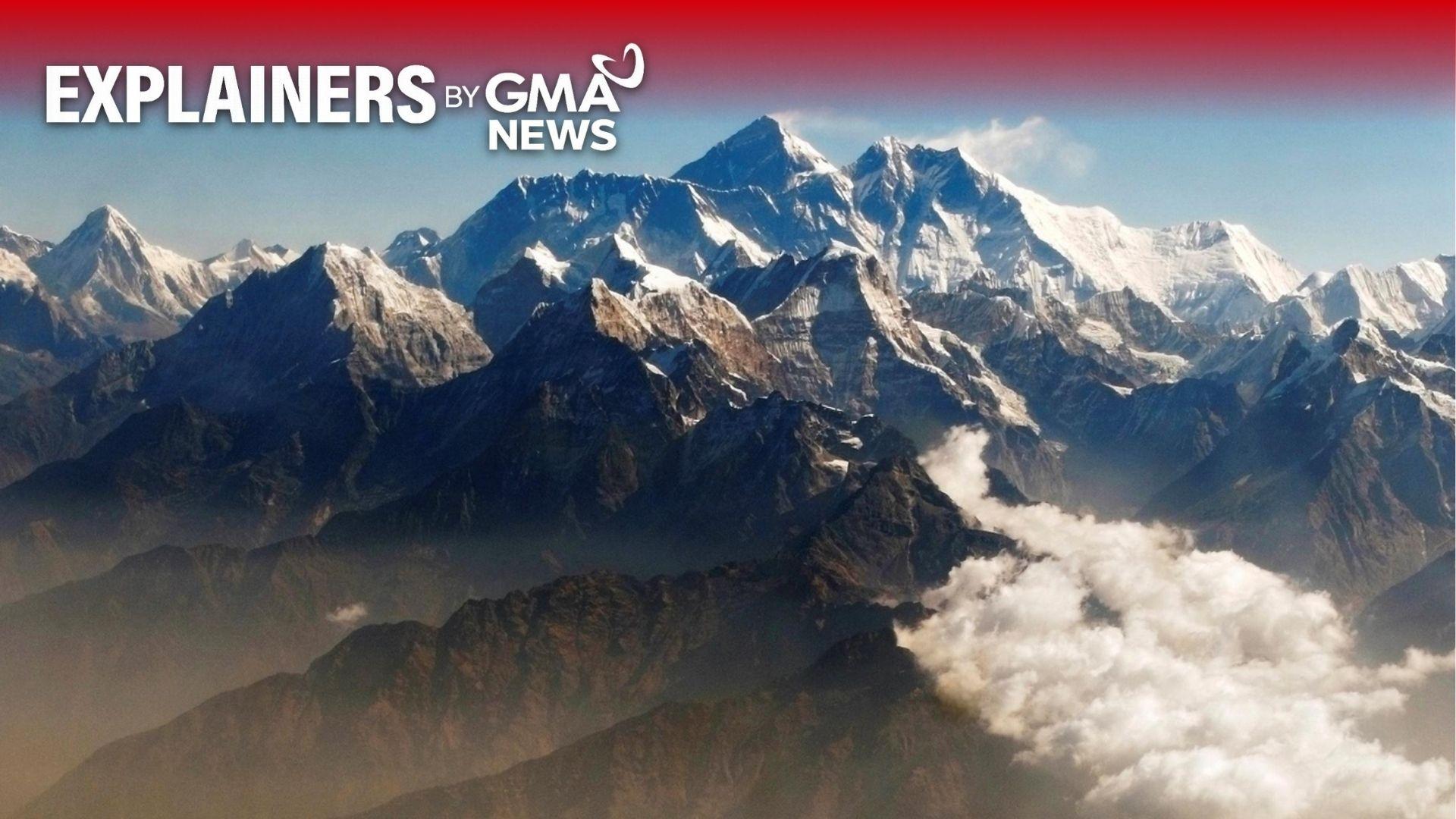
Sagarmatha National Park features dramatic mountain ranges, vast glaciers, and deep valleys—all dominated by Mount Everest, the highest peak on Earth.
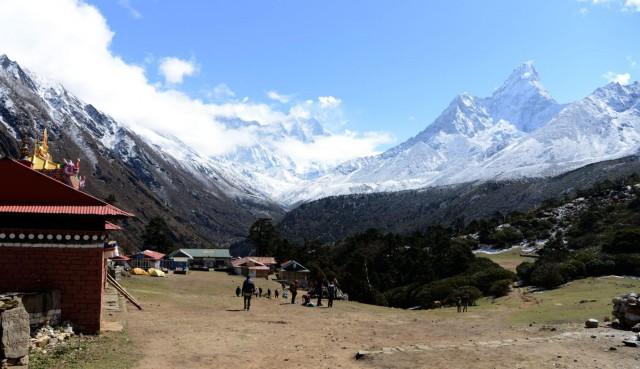
The park provides visitors with opportunities to engage in trekking, high-altitude mountaineering, and immersive experiences in Sherpa culture.
Meanwhile, Chitwan National Park offers richer experiences for wildlife enthusiasts who enjoy animal spotting in their natural habitats.
It shelters various iconic wildlife species, including the endangered one-horned rhinoceros and hundreds of bird species.
The NTB highlights jungle safaris, guided forest walks, canoe rides, jeep drives, and cultural interactions with the local Tharu community among the top attractions in the park.
Festivals
Much like its neighboring countries, Nepal features a rich tapestry of vibrant festivals held year-round.
Among its most celebrated events is Dashain, the country's longest Hindu festival, which takes place in October.
Traditionally celebrated over two weeks, it involves prayers and sacred offerings to the goddess Durga to invoke blessings for the progress and prosperity of devotees.
Throughout the festivities, men and women dress in their finest attire and visit elders to receive a tika—a traditional blessing made of red vermilion, yogurt, and rice applied to the forehead.
Another notable event is Yomari Punhi, a Newari festival held in December to mark the conclusion of the rice harvest. During this celebration, residents of Kathmandu Valley prepare yomari, a popular Newari delicacy consisting of a fish-shaped steamed rice-flour dumpling stuffed with chaku (molasses) or khuwa (condensed milk) and sesame seeds.
With so many vibrant festivals and historic sites across the country, Nepal continues to welcome travelers despite the sudden disaster. — VDV, GMA News

