

 GMA Brandtalk
 Tracking
 Archives

EU reiterates support to ASEAN’s crafting of Code of Conduct for South China Sea
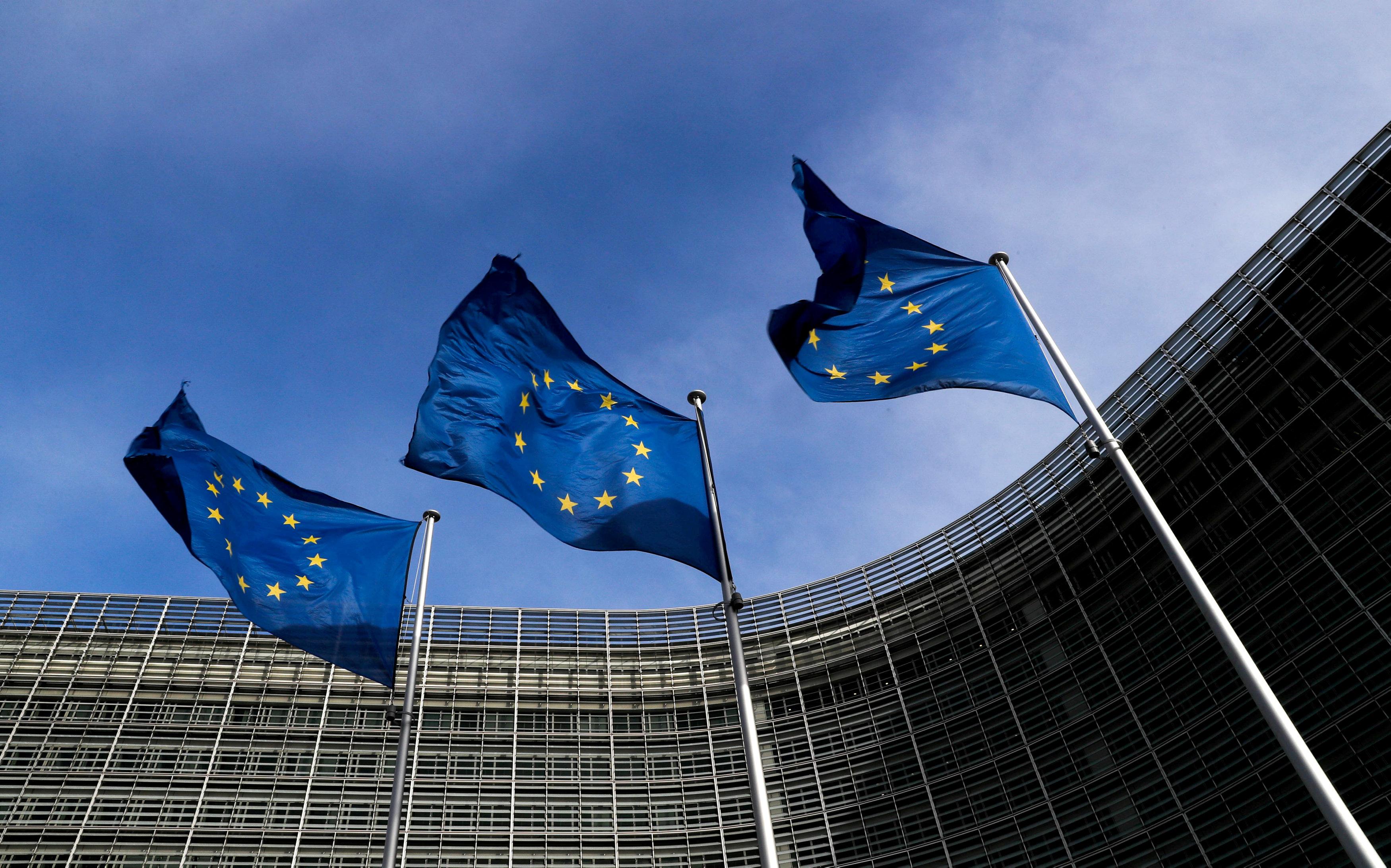
The European Union has reiterated its support to the ASEAN-led crafting of the Code of Conduct for the South China Sea, which aims to prevent territorial disputes from escalating into an armed conflict with China.
“We support the ASEAN-led process towards an effective and legally binding Code of Conduct for the South China Sea, which should not prejudice the interests of third parties,” High Representative for Foreign Affairs and Security Policy, and Vice-President of the European Commission Josep Borrell said in a speech in Jakarta Indonesia.
“Like ASEAN, the EU is committed to secure, free and open maritime supply routes in the South China Sea, in full compliance with international law, in particular the UN Convention on the Law of the Seas,” the EU official assured.
Borrell emphasized that the EU and the ASEAN have been cooperating on maritime security where the best practices and lessons were learned.
“We are exploring options on how to enhance EU’s maritime presence in the vast Indo-Pacific space. And we will extend the EU’s Critical Maritime Routes project from the Indian Ocean to South East Asia,” he said.
In April, the EU had warned that tensions in the South China Sea, including the recent presence of large Chinese vessels at the Julian Felipe Reef, also known as the Whitsun Reef, endangered regional peace and stability.
The Union urged all parties to resolve disputes through peaceful means under international law, particularly the United Nations Convention on the Law of the Sea (UNCLOS), including its dispute settlement mechanisms.
It recalled the settlement made through the 2016 Arbitral ruling awarded to the Philippines, which invalidated Beijing’s massive claims in the South China Sea.
The Philippines is currently the dialogue coordinator between China and the ASEAN on negotiations for a code of conduct.
Aside from the Philippines and China, the other claimants include Vietnam, Taiwan, Brunei and Malaysia. Taiwan and China are not ASEAN members. — Hana Bordey/RSJ, GMA News

