

 GMA Brandtalk
 Tracking
 Archives

EXPLAINER: Why stronger tropical cyclones are possible during El Niño
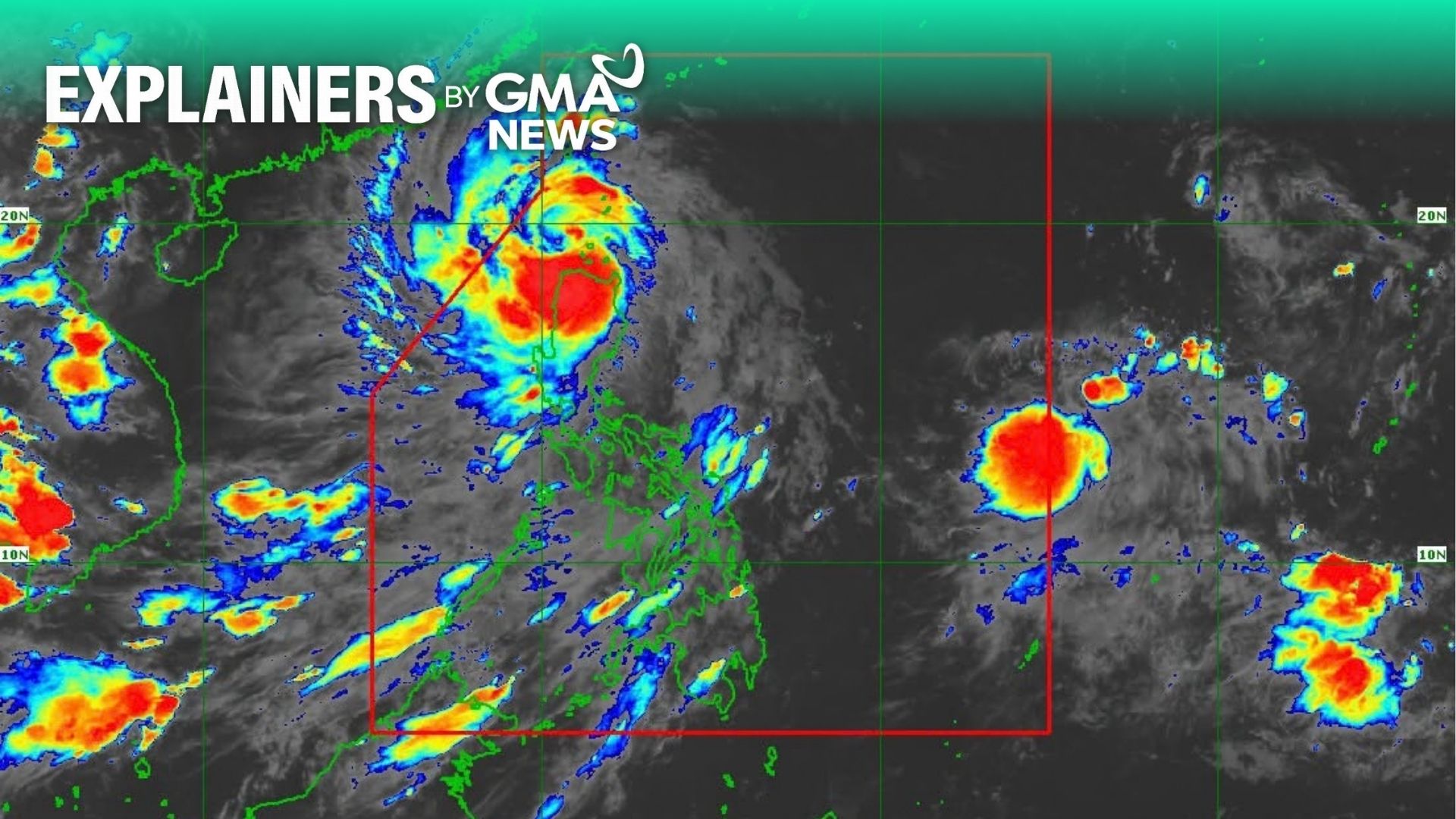
State weather bureau PAGASA has warned of the potential effects of El Niño, which could bring less rainfall and hotter temperatures but may also fuel stronger tropical cyclones.
While El Niño is generally associated with reduced rainfall, PAGASA said warmer ocean temperatures could still provide favorable conditions for tropical cyclone development, including typhoons and super typhoons.
“Dahil napakainit nga po ng temperatura ng karagatan na pinagmumulan ng mga tropical cyclone development, so favorable pa rin po siya na magkaroon ng mga bagyo and historically po, ang mga possible po ay mga typhoon and super typhoon category,” PAGASA Chief of Climate Monitoring and Prediction Section Ana Liza Solis said during the Bagong Pilipinas Ngayon public briefing on Thursday.
(Because the seas where tropical cyclones develop are very warm, conditions remain favorable for cyclone development, and historically, typhoons and super typhoons are possible.)
Solis cited Tropical Storm Queenie as an example. Queenie, which is currently within the Philippine Area of Responsibility, may intensify into a typhoon before leaving the country’s monitoring area.
In a separate press briefing, Solis also said El Niño could affect the usual tracks of tropical cyclones.
Beginning September, cyclones typically make landfall and cross the country. This year, however, many systems appear to be recurving instead, she said.
If a cyclone intensifies into a typhoon during El Niño, it may not bring as much rain but could still produce strong winds, Solis said.
Tropical cyclone intensity is measured based on maximum sustained winds, not the amount of rainfall it produces.
“Based sa historical patterns natin, hindi masyadong rain-effective kapag nagla-landfall na sa mga Visayas and Mindanao kapag mayroon pong bagyo but, hindi po… sa lahat ng may El Niño. So 2015, 2016, naging maulan din po sa Mindanao with the previous strong El Niño so kailangan po talaga monitoring and updates galing sa DOST (Department of Science and Technology)-PAGASA,” Solis said.
(Based on our historical patterns, storms that make landfall in the Visayas and Mindanao are not necessarily very rain-effective, but this is not the case in every El Niño event. In 2015 and 2016, it was also rainy in Mindanao during the previous strong El Niño, so people need to continue monitoring updates from DOST-PAGASA.)
PAGASA said less rainfall is expected beginning October due to El Niño.
The weather bureau said El Niño could persist until March or even June. Around 40 provinces are expected to experience below-normal rainfall during the dry spell and possible drought, with the number potentially rising to 80 by January.
Solis stressed that El Niño does not completely eliminate the possibility of rain and urged the public to conserve water in the coming months. — VBL, GMA News

