

 GMA Brandtalk
 Tracking
 Archives

Amihan season has ended, PAGASA says
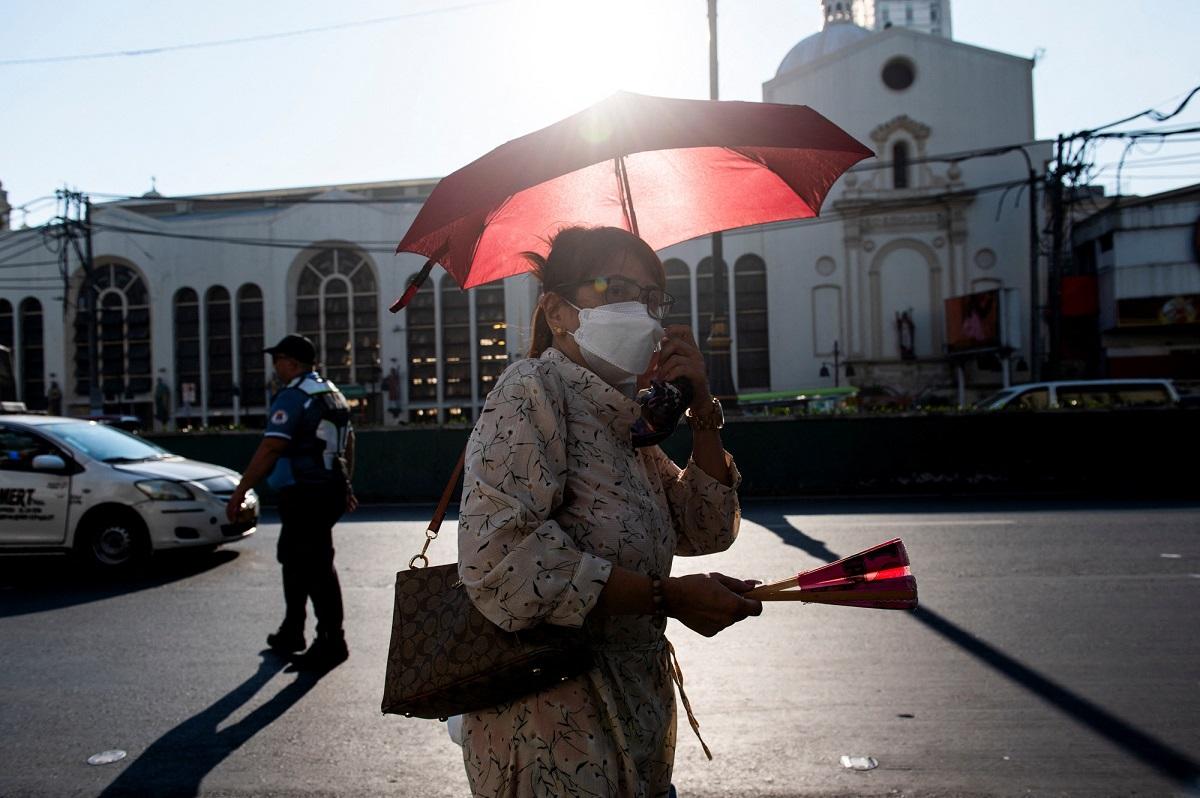
The public may soon have to brace for hotter temperatures as state weather bureau PAGASA on Monday announced the termination of the Northeast Monsoon (Amihan) season.
“The shift of wind direction from northeasterly to easterly due to the formation of the High Pressure Area (HPA) over the Northwestern Pacific signifies the termination of the Northeast Monsoon and the start of the warm and dry season,” PAGASA said in a statement.
“However, some areas of Northern Luzon may still experience occasional northeasterly winds,” it added.
The public was advised to take precautionary measures to minimize heat stress and drink lots of water to avoid dehydration.
In a press conference, PAGASA administrator Dr. Nathaniel Servando confirmed the beginning of the dry season.
“Nagtapos na ang Northeast Monsoon season at hudyat na ng mainit at maalinsangan na panahon,” Servando said.
(The Northeast Monsoon season has come to an end, and hot and humid weather has begun.)
Meanwhile, senior weather specialist Dr. Joseph Bascocillo said high temperatures are expected to peak in April and May.
“Maaari natin itong ikabit sa epekto ng heat index, kaya pinapayuhan ang publiko na patuloy na nakaantabay sa ating pag-issue ng daily heat index forecast,” Bascocillo said.
(We can link this to the effect of the heat index, so the public is advised to continue monitoring PAGASA’s daily heat index forecasts.)
In Metro Manila, the temperature is expected to rise up to 35°C to 39°C in April and 35.5°C to 37.6°C in May.
However, PAGASA weather services chief Thelma Cinco said the 2024 temperature remains hotter than the coming months of 2026.
“Noong 2024 ay strong El Niño ’yon, so kung i-compare natin 'yung mainit na buwan, mas mainit ang 2024 kaysa itong 2026,” Cinco said.
(In 2024, there was a strong El Niño. If we compare the warm months, 2024 will be warmer than 2026.)
Earlier this month, PAGASA said it is tracking the potential development of El Niño, which has over a 50% chance of developing between July and September.
After El Niño weakens typhoons and the Southwest Monsoon or Habagat, it can intensify drought conditions beginning in December and lasting through the summer of 2027.
“This could affect the high temperatures we may experience during the next warm and dry season in 2027, so we need to monitor closely,” PAGASA Climate Monitoring and Prediction Section Chief Ana Liza Solis said. —KG, GMA Integrated News

