

 GMA Brandtalk
 Tracking
 Archives

EXPLAINER: How does PAGASA determine areas experiencing drought?
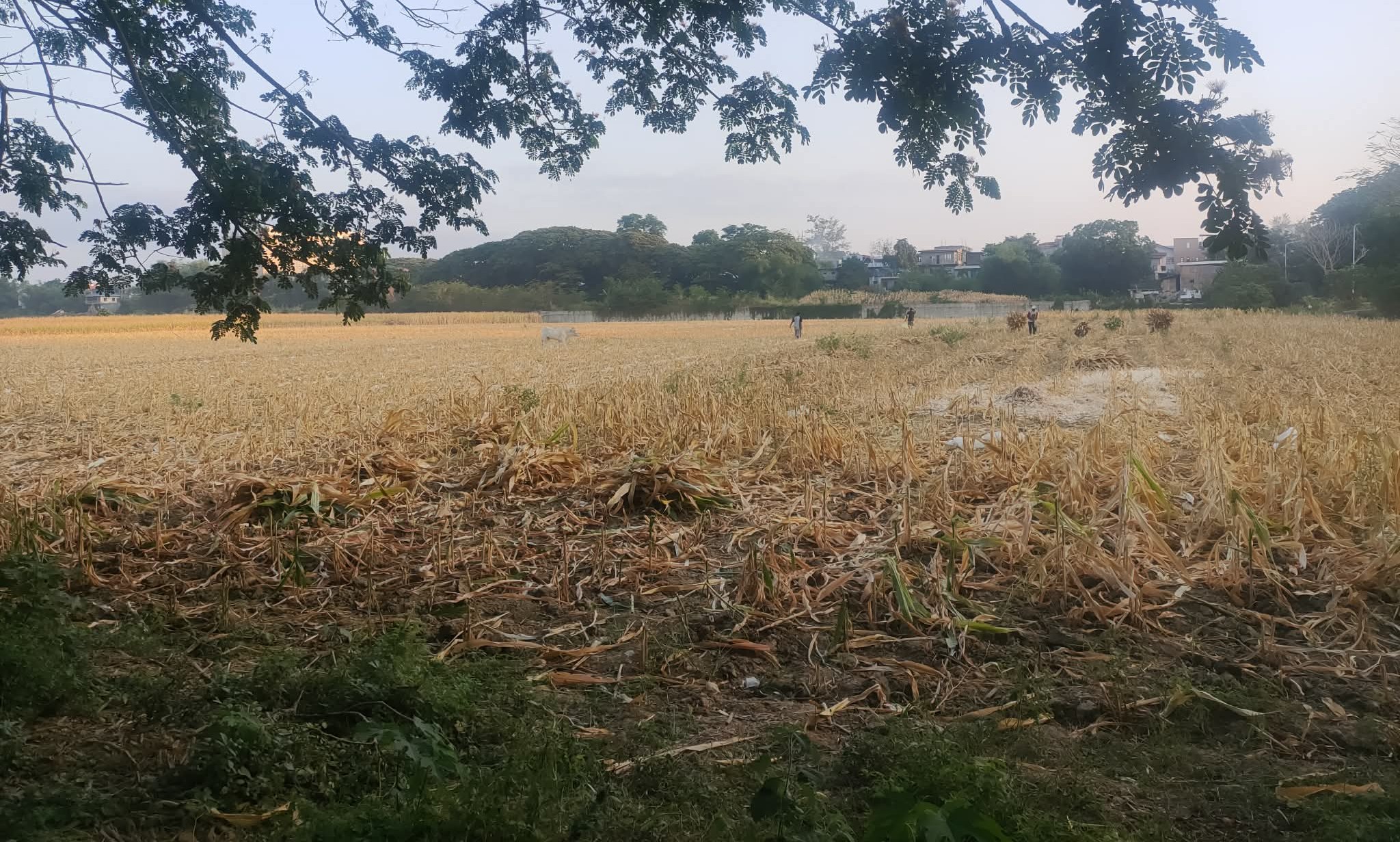
El Niño is fast approaching, and hot weather is causing dry weather in some places of the country.
Following PAGASA’s issuance of an El Niño alert on Wednesday, they also provided a list of areas experiencing dry spells, dry conditions, and drought in the country.
As heat worsens and rainfall lessens, more and more areas will be categorized with a dry spell, dry condition, and drought.
But what do these mean, exactly?
The World Health Organization explains that drought is a prolonged dry period and a slow-onset disaster where lack of precipitation can cause water shortages, leading to possible effects on health, agriculture, economy, and the environment.
According to National Geographic, more than 11 million people have died and more than 2 billion people have been affected by drought.
PAGASA’s climate advisories say there are three types of drought that areas in the country may experience in hot weather:
- Dry condition is the first or lowest in said assessment. It is declared over areas with two consecutive months of below normal rainfall conditions.
- Dry spell is declared over areas with three consecutive months of below normal rainfall or two consecutive months of way below normal rainfall conditions.
- Drought is declared over areas with three consecutive months of way below normal rainfall or five consecutive months of below normal rainfall.
As of April 2026, 15 areas in the country are currently experiencing drought.
Meanwhile, the Philippines currently has the National Drought Plan for the Philippines for short-term and long-term actions in response to such events.
The plan implementation shall be led by the National Disaster Risk Reduction and Management Council (NDRRMC), in coordination with other key government agencies to deal with impacts pertaining to their own respective sectors. — LA, GMA News

