

 GMA Brandtalk
 Tracking
 Archives

PAGASA: Alert raised as chance of El Niño developing in June-August rose to 79%
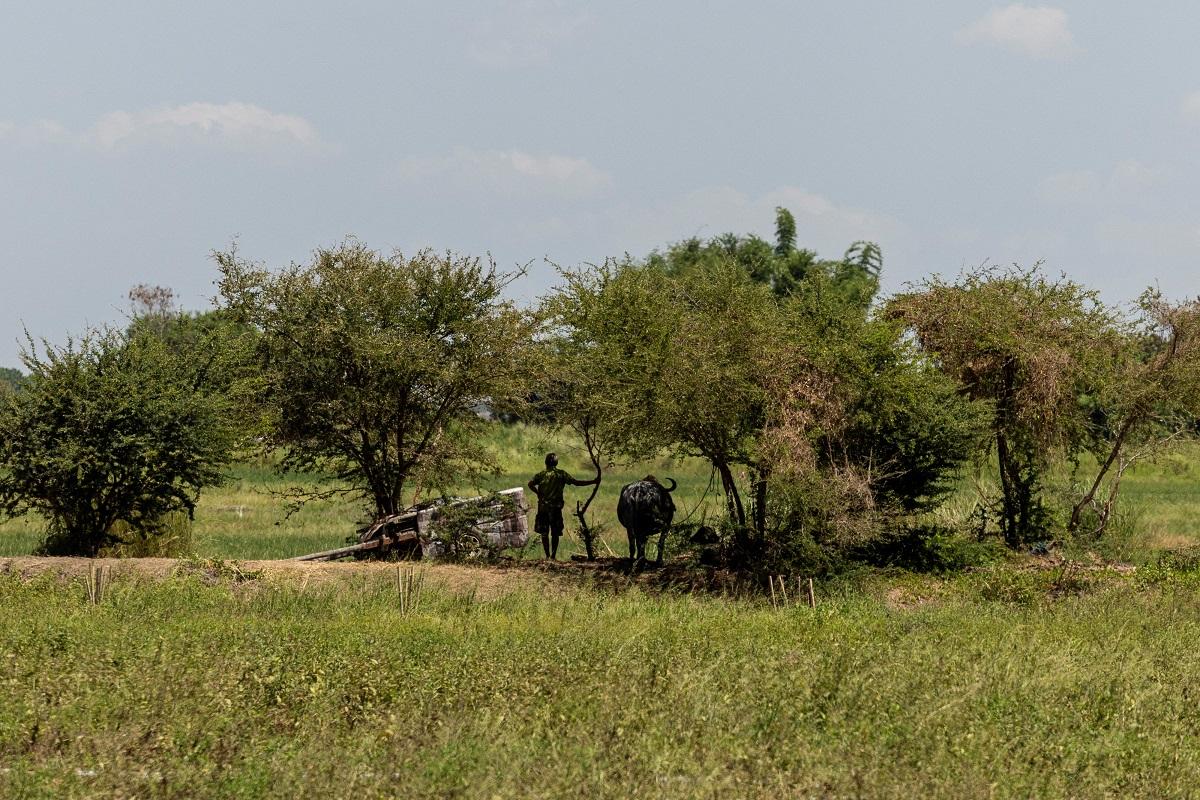
The state weather bureau PAGASA issued an El Niño Alert on Wednesday since there was a 79% possibility that the weather phenomenon linked to below-normal rainfall conditions would develop between June and August.
PAGASA raises an El Niño Alert if the forecast probability is 70% or above within the next two to three months.
"[M]ost climate models combined with expert judgements suggest 79% chance of El Niño emerging in June-July-August (JJA) 2026 season and is likely to persist until early 2027. With this development, the DOST-PAGASA ENSO Alert and Warning System is now raised to El Niño Alert," PAGASA said in a statement.
"During an El Niño event, there is an increased possibility of drier-than-usual conditions, which can lead to negative impacts such as droughts and dry spells in some parts of the country. However, above-normal rainfall conditions may also be experienced over the western section of the country during the Southwest Monsoon (Habagat) season," it added.
PAGASA said moderate to strong El Niño conditions are likely during the September–October–November season.
However, it is not ruling out the possibility of a strong to very strong El Niño by October–November–December or November–December–January.
“Yung alert, that would mean early action, early preparedness kasi meron na rin pong possible potential impact kahit wala pa po yung talagang eksaktong El Niño,” said PAGASA Climate Monitoring and Prediction Section chief Ana Liza Solis.
(The alert, that would mean early action, early preparedness because there is already a possible potential impact even if there is no El Niño yet.)
ENSO-neutral conditions currently prevail across the country.
As of April 2026, a total of 15 areas in Luzon are experiencing drought.
- Abra
- Apayao
- Benguet
- Ifugao
- Ilocos Norte
- Ilocos Sur
- Isabela
- Kalinga
- La Union
- Mountain Province
- Nueva Ecija
- Nueva Vizcaya
- Pangasinan
- Quirino
- Tarlac
There are 32 areas experiencing dry spell:
- Albay
- Bataan
- Batangas
- Bulacan
- Cagayan
- Camarines Norte
- Camarines Sur
- Catanduanes
- Cavite
- Laguna
- Marinduque
- Masbate
- Metropolitan Manila
- Occidental Mindoro
- Oriental Mindoro
- Palawan
- Pampanga
- Quezon
- Rizal
- Romblon
- Sorsogon
- Zambales
- Antique
- Guimaras
- Northern Samar
- Basilan
- Davao City
- Davao del Norte
- Davao del Sur
- Sulu
- Tawi-Tawi
- Zamboanga del Sur
A total of 23 areas are experiencing dry conditions:
- Aurora
- Aklan
- Biliran
- Capiz
- Eastern Samar
- Iloilo
- Leyte
- Negros Occidental
- Samar
- Southern Leyte
- Agusan del Sur
- Bukidnon
- Davao Occidental
- Davao Oriental
- Lanao del Norte
- Lanao del Sur
- Misamis Occidental
- Misamis Oriental
- Sarangani
- South Cotabato
- Sultan Kudarat
- Zamboanga del Norte
- Zamboanga Sibugay
_2026_04_22_20_38_32.jpg)
According to PAGASA, dry condition is characterized by two consecutive months of 21% to 60% less rainfall than the average.
Dry spell means three straight months of 21% to 60% less rainfall than the average or two months in a row of more than 60% less rainfall than normal.
Drought occurs when rainfall is between 21% and 60% below average for five consecutive months or more than 60% less than the average for three months in a row. — VBL, GMA News

