






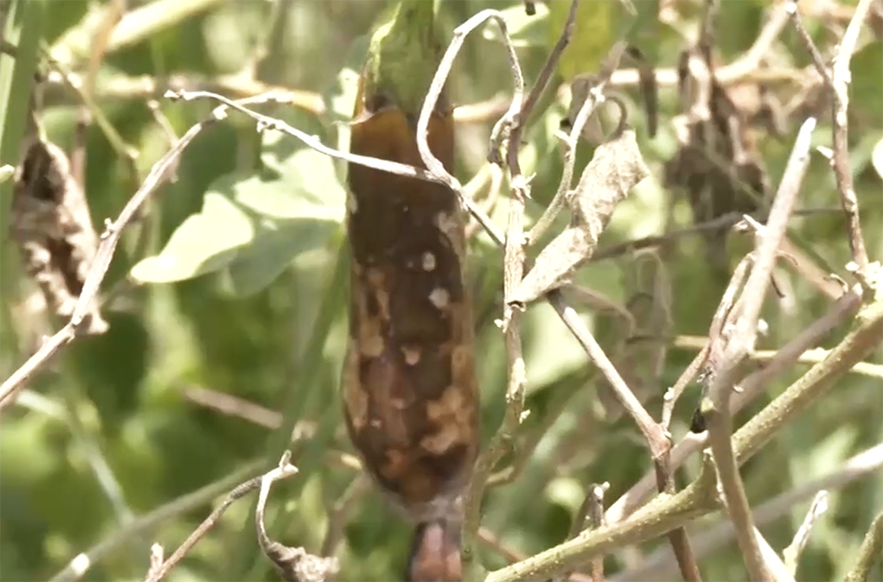
The damage to agriculture in Cebu City due to extreme heat has reached P13 million.
Joey Baclayon, head of the Cebu City Agriculture Office, said damage to crops, in particular, was noted in farms in mountain barangays.
In Barangay Paril, for example, different kinds of produce that were unsold at markets ended up rotting.
The lack of water supply has also been a problem for farmers, as lands dried up, especially that rain has been scarce in recent months.
The local government will P5,000 each as financial aid to the farmers affected.
The city is also preparing for the anticipated arrival of the Super El Niño.
PAGASA has urged the national government and local government units to prepare, especially those in urban areas where drainage systems and flood control infrastructures are outdated and are no longer adequate.
PAGASA has said there is a 92% probability of the Super El Niño coinciding with Habagat from June to August 2026.
PAGASA projects that the Super El Niño or very strong El Niño will likely peak around October, November, and December.
Earlier, PAGASA Climate Monitoring and Prediction Section chief Ana Liza Solis said earlier:
“We will have more heavy rainfall events because we will likely experience an enhanced southwest monsoon. During El Niño, the easterlies weaken and become westerlies, and there are instances when typhoons recurve during June, July, and August. When typhoons recurve, they end up pulling in our Habagat.”