






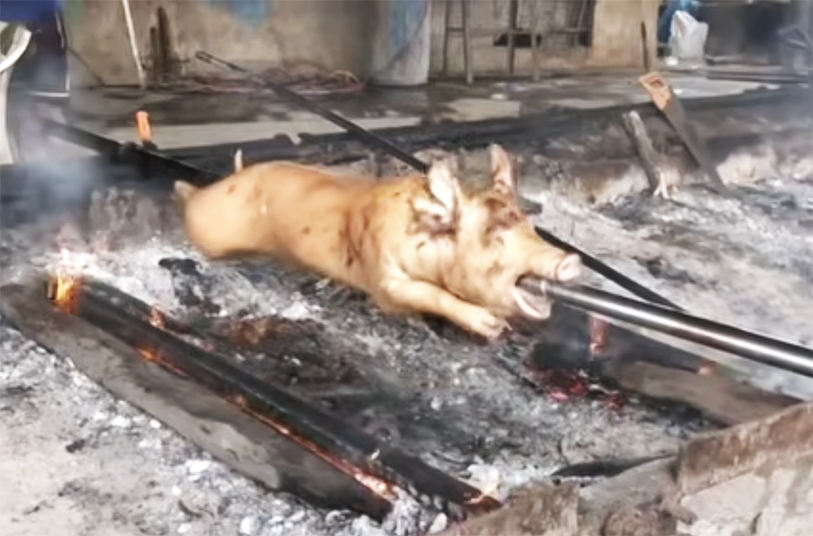
The price of lechon (roasted pig) has gone up in Talisay City, Cebu due to the African Swine Fever (ASF), which affected hogs in Negros Oriental.
Located next to Cebu City in the south, Talisay City is home to the Halad Inasal Festival, which is held every October. Its famed Litson Food Park draws fans of the roasted pig every week.
The increase in prices of lechon came after the Cebu provincial government imposed a temporary ban on the entry of live hogs and all pork products from Negros Island starting July 7, 2026.
Previously, a whole lechon could be brought for P7,000 but the price increased to around P8,000 since the third week of July, according to lechon makers in Barangay Biasong.
The price hike is attributed to the dwindling supply of hogs, which they have sourced from Negros Island.
“Lisod gyud siya gamay pero nakasaka ra mi sa presyo karon sa baboy kay tungod anang ASF. Unya kay naka-stock man mi pero gamay na lang na siya hinuon pero ang among presyo gyud sa baboy sauna og karon kay nag-increase gyud siya og P1,000,” Shin Pasok, a lechon maker, said.
But the price of a whole lechon went up, vendors at the food park try to keep the price per kilo at around P900.
“Apektuhan gihapon maam kay ang supplier from Negros wala man kasulod diri raman gyud sa Province of Cebu unya diri ra gyud. Sa Mantalongon among baboy ron. Mahal gyud lahi gyud an presyo sa supplier namo before ba. Ginagmay nga ginansya maam ok ra gyud basta naa lang kanunay,” a vendor said.
The temporary ban on the entry of live hogs and pork products from Negros Island came after the Negros Oriental government confirmed that several hog-raising areas in the province are affected by ASF.
STEPS VS. ASF
Following the order, Talisay Mayor Gerald Anthony Gullas also issued a directive in line with the ban.
The measure aims to prevent the entry and spread of ASF in the city, which is known for its lechon industry, and most of the hogs used for its roasted pigs are sourced from Negros.
“I just told her to look at the slaughterhouse nga mangayog dokumento ang manud nga karne diha ug baboy. Ang importante sad gyud karon is mo-coordinate sa lechoneros na mosty ang supply gikan atong probinsyaha. Ang importante na lang karon is to hear their concerns and how the city government can help especially if mo-rise ang cost sa baboy sa atoa. Maybe certain checkpoints as far as meat is concerned and pagsigurado nga dili matakdan,” Gullas said.
On July 8, Talisay City Veterinarian, Dr. Ma. Christine Hope Dejadena, gathered hog raisers from the city’s upland barangays and lechon vendors in the city.
“Nagpatawag gyud ko sa atong mga lechoneros. So ako silang gikuha asa gyud sila lately for the past two weeks kay sukad pag declare ato wala man ta kahibaw basin kato nga week nakakuha na sad sila so ako nanga gikuan para sa traceability ang problema gud kaning illegal nga paagi. Naay nanguha sa Mantalongon area ug sa diri lang,” Dejadena said.
The cleanliness and safety of the Talisay City slaughterhouse are also ensured through regular inspection by the National Meat Inspection Service (NMIS) Region 7.
CONTINUED MONITORING
Meanwhile, the City Agriculture Office continues to conduct monitoring and risk assessment surveillance on hogs in Talisay City to ensure that they remain safe from ASF, along with providing vitamin supplements to the animals
Pork sold at the Tabunok Public Market and other markets in Talisay City comes from hogs raised in the city.
Gullas has directed the City Veterinary Office to monitor the prices of hogs, including pork meat and lechon, strictly until the ban is lifted or until there are no more reported ASF cases in neighboring regions.