

 GMA Brandtalk
 Tracking
 Archives

What is muro-ami fishing?
"Muro-ami," the 1999 Metro Manila Film Festival Best Picture, is coming soon to select cinemas to introduce itself to a new generation following its digital restoration and remaster.
Starring Cesar Montano and directed by Marilou Diaz-Abaya, the movie tackled the controversial and dangerous practice of child divers being used in destructive fishing methods.
But beyond the child labor and poor working conditions highlighted in the film, "Muro-ami" also showed the illegal fishing method historically practiced on coral reefs in the Philippines and other parts of Southeast Asia.
What exactly is muro-ami fishing?
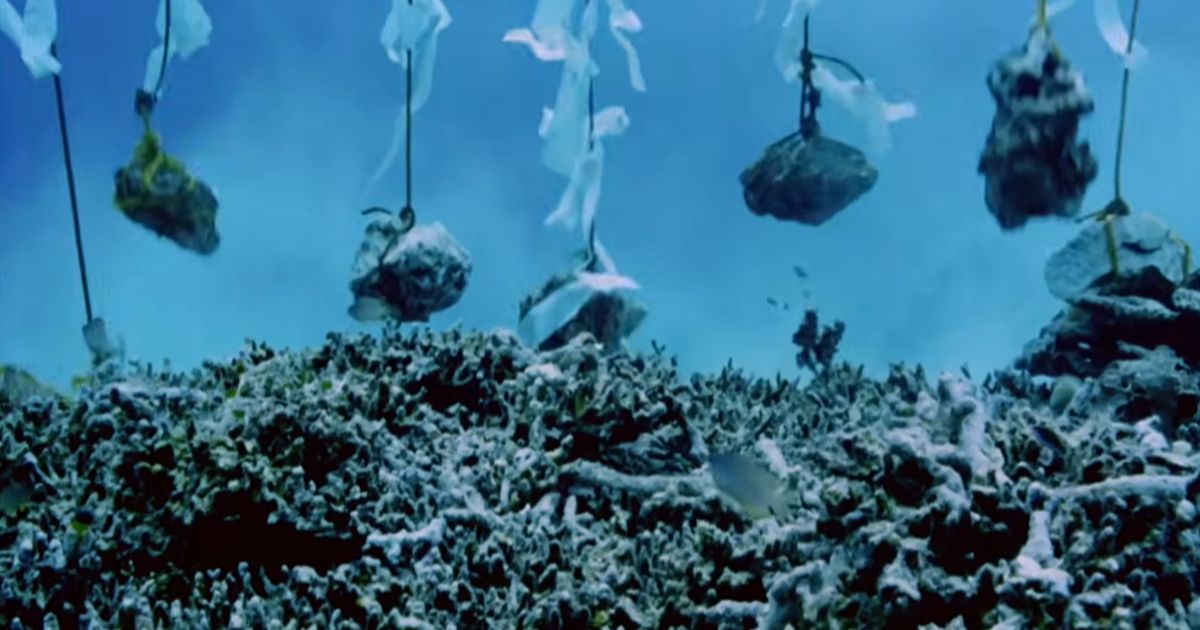
According to Athena Imperial's report in "24 Oras" on Tuesday, muro-ami is a fishing method where fishermen use weighted scarelines, stones, or other devices to pound coral reefs and drive fish out of hiding. The fish are then caught using large nets.
Muro-ami is a technique believed to have been introduced to the Philippines by Okinawan fishermen in the 1930s, according to the International Center for Living Aquatic Resources Management. While considered effective in catching reef fish, the method is also known for its destructive impact on coral reefs.
The fishing gear uses a large bag-shaped net with detachable wings that help guide fish toward the trap. It is usually set above coral reefs, while swimmers holding scarelines (ropes attached with plastic strips and heavy stone weights) move toward the net.
As they dive, the swimmers repeatedly pound or shake the scarelines against the corals to scare fish out of hiding and trap them in the net.
Reef damage occurs when the scareline weights strike fragile corals. In commercial muro-ami operations, hundreds of divers may work at the same time, each handling a scareline. The repeated pounding causes extensive destruction to coral reef ecosystems.
Because of its harmful effects, the government initially banned muro-ami in 1986 through Fisheries Administrative Order No. 163, which prohibited muro-ami and kayakas, a smaller local version of muro-ami that uses bamboo, tree trunks, and scarelines to drive fish out of coral reefs, in all Philippine waters.
Following the ban, some operators shifted to modified methods such as pa-aling, but the Philippine Fisheries Code later strengthened prohibitions against muro-ami and similar destructive fishing methods.
To this day, muro-ami fishing remains prohibited under the amended Philippine Fisheries Code (Republic Act No. 10654), which declares muro-ami and other fishing methods that damage coral reefs illegal. —MGP, GMA News

