

 GMA Brandtalk
 Tracking
 Archives

Who can donate blood? Experts explain eligibility, disqualifications
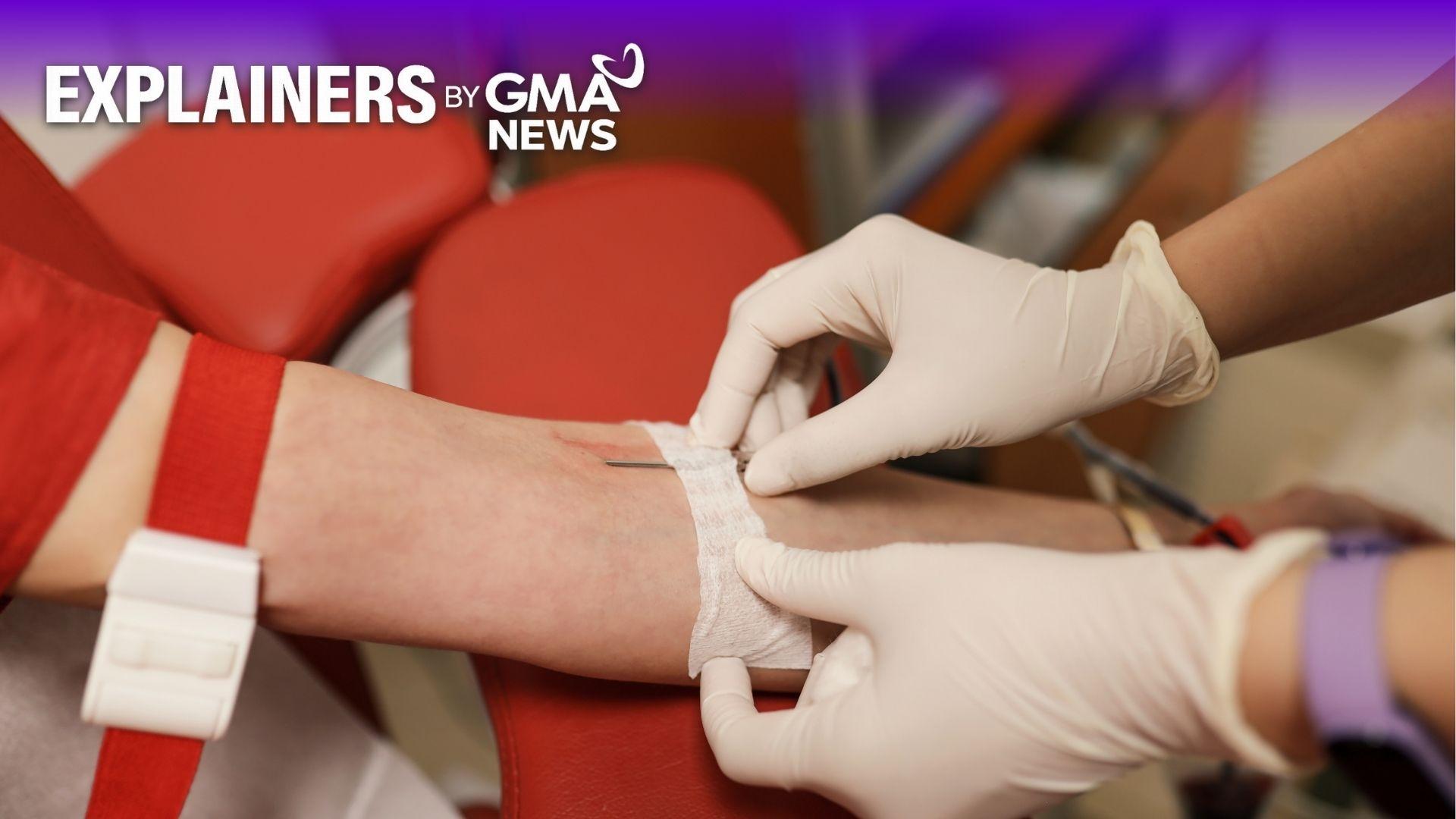
Donating blood is one of the simplest ways to help save lives, but not everyone is immediately eligible for it.
Before every donation, blood centers conduct a thorough screening process to ensure the safety of both donors and recipients.
According to Dr. Krizia Policarpio, potential donors must first meet basic eligibility requirements, including being between 16 and 65 years old, weighing at least 50 kilograms, and being in good overall health. They must also pass a physical assessment and medical interview.
"Additionally, donors must not have engaged in high-risk behaviors associated with transfusion-transmissible infections," Policarpio said.
Meanwhile, Philippine Red Cross volunteer Gabrielle Acero emphasized the importance of donor honesty.
"Honesty in answering the screening questionnaire protects both the donor and the patient, and keeps the entire blood supply safe," Acero said.
She added that donated blood is tested for blood type and screened for infections such as HIV, hepatitis B and C, and syphilis before it is transfused to patients.
Per Policarpio, healthcare professionals also review a person's medical history, medications, recent vaccinations, surgeries, travel history, hemoglobin levels, and even tattoos or piercings before determining if they can donate.
These checks help ensure that blood donation is safe for both the donor and the recipient.
"Donor screening is a fundamental safety measure conducted before blood collection mainly to ensure blood is collected only from healthy individuals, protecting recipients by preventing the collection of unsafe blood," she explained.
"The screening process identifies early any factors that would temporarily or permanently disqualify an individual from donating."
Temporary disqualifications
You read that right — not all disqualifications are permanent.
Common illnesses such as fever, flu, cough, diarrhea, or bacterial infections may require donors to wait until they have fully recovered before giving blood.
Those taking antibiotics are generally advised to postpone donation until treatment is completed, while people who recently underwent major surgery may need to wait up to a year before becoming eligible again.
People who recently got tattoos, body piercings, or acupuncture are also temporarily deferred, typically for one year.
According to Policarpio, the waiting period allows enough time for any potential blood-borne infection to be detected through screening tests.
"People who get tattoos, body piercings, or acupuncture are advised to postpone blood donation because sanitation and sterilization standards can vary between facilities," she said.
"The waiting period ensures that any potential infection has enough time to either cause symptoms or become detectable on screening tests before the donated blood is cleared for transfusion."
Pregnancy is another temporary reason for deferral. Women may donate during menstruation if they are feeling well and meet the required hemoglobin level.
However, pregnant or breastfeeding women must wait until at least nine months after childbirth or three months after weaning, whichever is longer, before donating blood.
Lifestyle factors can also affect eligibility. While smokers may still donate blood, experts recommend avoiding cigarettes for at least one to two hours before donation.
"Smokers can donate blood, but they should avoid smoking immediately before and after donation," Acero said.
People who recently consumed alcohol should wait 12 to 24 hours, while individuals with a history of injecting illegal drugs are permanently disqualified because of the increased risk of blood-borne infections.
Permanent disqualifications
Some medical conditions, however, permanently disqualify a person from donating blood. These include coronary heart disease, certain chronic lung diseases, epilepsy, severe kidney disease, all types of cancer, and infectious diseases such as hepatitis B and other sexually transmitted infections.
Individuals with insulin-dependent diabetes or a history of heart attack, heart failure, or bypass surgery are also permanently deferred.
Explaining why people with HIV, hepatitis B, or hepatitis C are permanently deferred, Policarpio said, "Even with routine laboratory screening, a recently infected individual may be in a window period where the virus is active and transmissible in the blood, but viral markers and antibodies have not yet reached detectable levels on standard tests."
"Because of this risk, individuals with confirmed infections or high-risk histories are permanently deferred to protect patients receiving blood," she added. —JCB, GMA News

