

 GMA Brandtalk
 Tracking
 Archives

You can now tap or scan to pay for LRT-2 trips
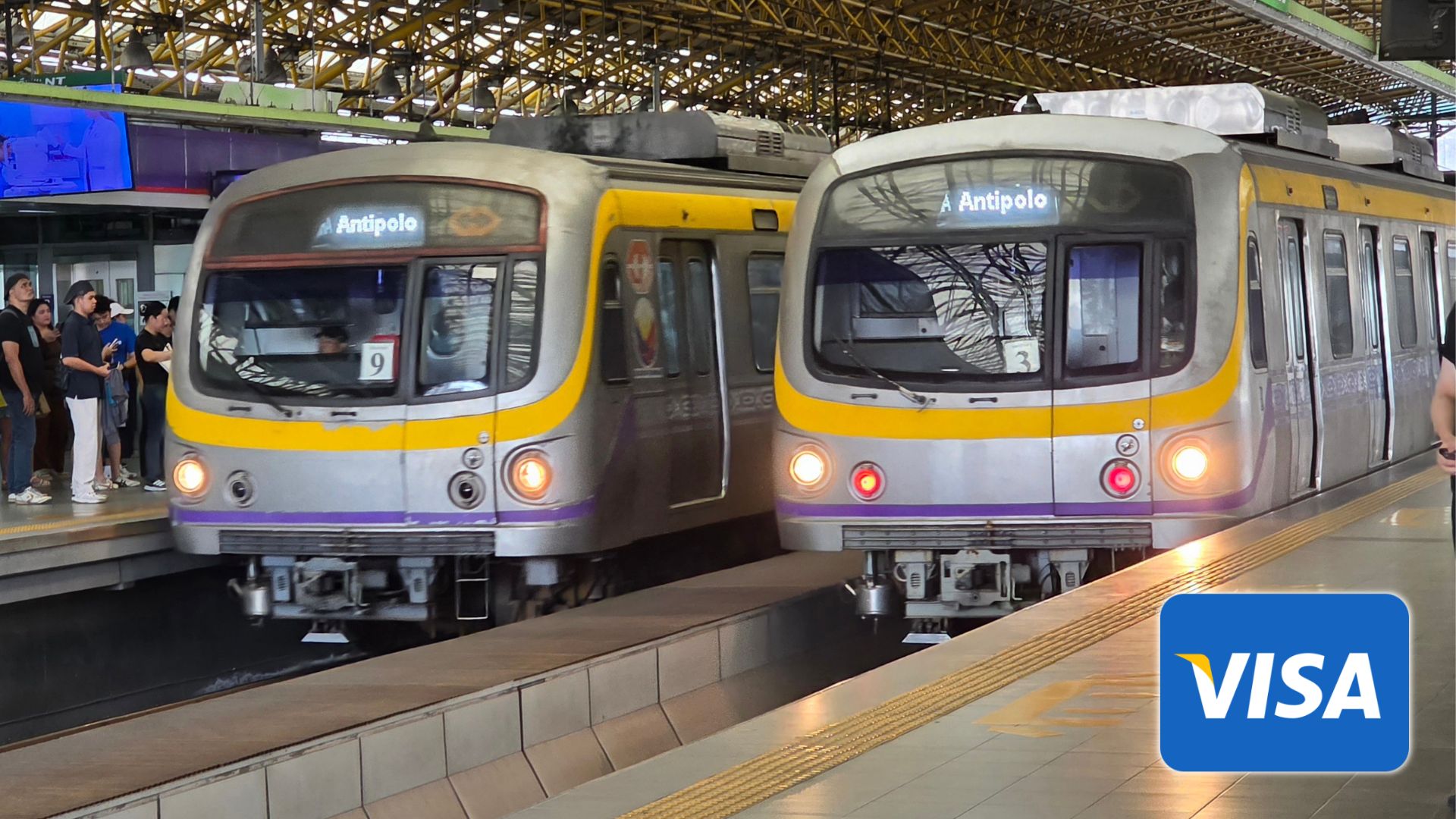
Commuters on the Light Rail Transit Line 2 (LRT-2) can now pay for their trips by tapping their Visa or Mastercard debit, credit, or prepaid cards at the turnstiles or by scanning a QR (quick response) code, as officials on Monday formally launched the rail line's automated fare collection system.
Powered by the Rizal Commercial Banking Corp. (RCBC) in partnership with Visa, the system is initially available on the LRT-2, which spans 17.6 kilometers from Recto in Manila to Antipolo City and serves 13 stations across Manila, San Juan, Quezon City, Marikina, Pasig, and Rizal.
Officials said the service will eventually be expanded to the Light Rail Transit Line 1 (LRT-1).
"We are grateful for the trust and partnership of the DOTr and LRTA as we continue building accessible and future-ready digital ecosystems for Filipinos. Beyond banking, we see digital finance as an enabler of more connected, seamless, and efficient daily experiences," RCBC president and chief executive officer Reggie Cariaso said in an emailed statement.
To coincide with the rollout, RCBC also launched its PISO Fare Cashbook Promo, allowing eligible customers to enjoy fare cashback from July 13 to July 31.
"By making commuting simpler, faster, and more inclusive, we are accelerating digital adoption, advancing financial inclusion, and bringing the Philippines closer to the digital transport systems found in leading global cities," RCBC executive vice president and chief innovations and inclusion officer Lito Villanueva said.
Villanueva earlier said the LRT-2 rollout would precede the implementation on LRT-1, which has more stations and is undergoing an extension from the Fernando Poe Jr. Station in Quezon City to Parañaque City.
The tap-to-pay service was first rolled out on the Metro Rail Transit Line 3 (MRT-3) in July 2025, allowing commuters to use debit and credit cards, as well as e-wallets, to pay for their fares.
For its part, Visa said the LRT-2 automated fare collection system is its fifth transit payment project in the Philippines, following similar implementations on the MRT-3 and bus systems in Cebu, Mandaue, and Bacolod.
"The automated fare collection systems across Metro Manila's three rail lines signify Visa's commitment toward accelerating financial inclusion, allowing both commuters and tourists to access digital payments while improving overall urban mobility in the Philippines," Visa Philippines country manager Jeff Navarro said in a separate statement.
"With expanded access to digital financial systems, we aim to support the government in boosting productivity while stimulating economic activity to fuel growth," he added.
With the launch of Google Pay in the Philippines last November, commuters can also tap their smartphones to pay for their trips using linked debit or credit cards and supported e-money accounts.— MCG, GMA News

