

 GMA Brandtalk
 Tracking
 Archives

What are the kinds of EVs? Understanding PHEV and the HEV
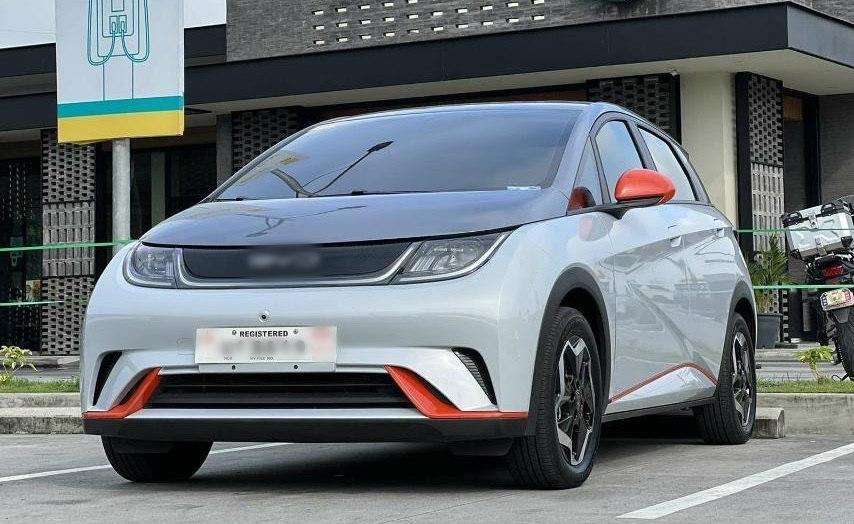
Amid the recent spike in pump prices, there has been a boom of interest in electric vehicles (EVs) as motorists are starting to look for cheaper alternatives.
But with that come questions about EVs and things that the motoring public needs to know about such vehicles. Among them are the variants or kinds of EVs available in the markets, such as PHEV and HEV.
What do these letters stand for, and how are they different from traditional Internal Combustion Engine (ICE) cars?
EVs
EVs are modern vehicles powered by electric motors that source electricity from a battery that can be charged from an external source. It is an umbrella term for any vehicle that uses electric motors and can also be used to describe Plug-in Hybrid Electric Vehicles (PHEV) and Hybrid Electric Vehicles (HEV).
According to the Electric Vehicle Association of the Philippines (EVAP), demand for electric vehicles has gone up, with waiting times for units extending from just three days to as much as four weeks amid the massive fuel price hikes caused by the Middle East conflict.
READ: Are EVs still cheaper to drive amid higher electricity rates?
“Since madami na nag-i-inquire ngayon at yung influx ng mga tao, nagkakaroon na tayo ng traction sa EV,” Rola said. “Ang nangyayari po ngayon, yung dating 3 days, meron ka nang EV ngayon, sir, pumipila na kami ng around two to three to four weeks bago ka magkaroon," said EVAP corporate secretary Mark Rola.
(There has been an increase in inquiries and the influx of people, and we are gaining traction with EVs. What used to take three days for you to have an EV now, we are waiting in line for around 2 to 3 to 4 weeks before you have one.)

HEV
HEVs are powered by an internal combustion engine combined with one or more electric motors, which makes the vehicle operate on both types of engines.
Through the help of the electric motor, HEVs would often need smaller combustion engine systems.
However, it cannot be plugged in to external electricity sources and often takes its electric charge from regenerative braking and the internal combustion engine.
PHEV
PHEVs are hybrid vehicles that can be charged by plug-in sources or filling their tanks with gasoline or diesel to operate the vehicle’s internal combustion engine.
It produces lower levels of pollution due to higher dependence on its electric battery and has the capacity of running longer distances using only its electric system.
The ICE and EV Industry
In the Philippines, the EV industry is slowly picking up with 60,906 EVs on the road as of 2025.
Majority of the country’s vehicles remain the standard ICE cars, with 14,728,556 vehicles.
The number made up 14,789,462 total registered vehicles in the country in 2025, as per the Philippine Department of Energy (DOE).
They also noted that there were 112 different types of HEVs and 92 different types of PHEVs recognized nationwide. —VAL, GMA News

