

 GMA Brandtalk
 Tracking
 Archives

EXPLAINER: How Mandaue uses science and data to build a more resilient city
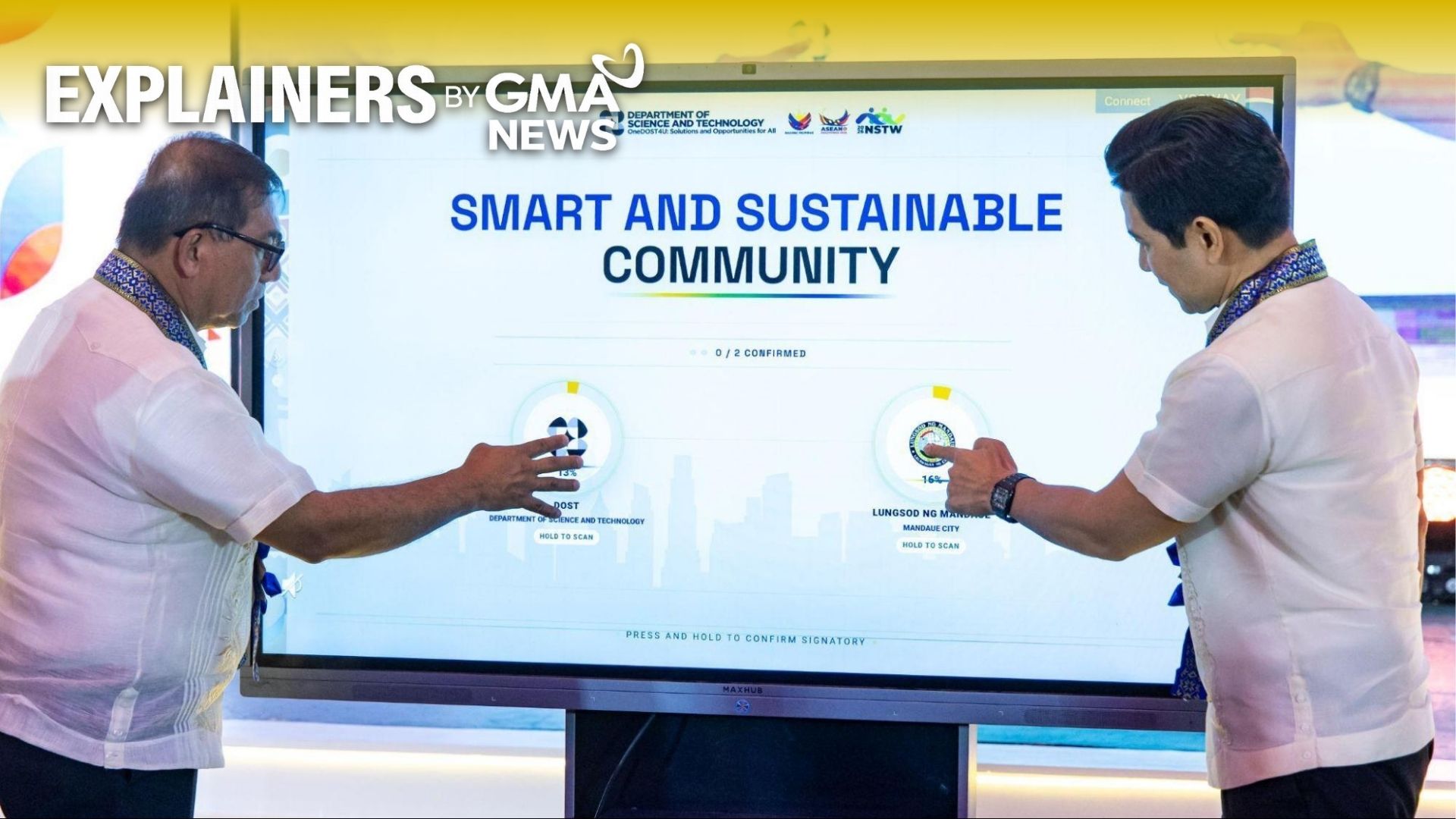
With extreme heat and flooding becoming more frequent due to climate change, the Mandaue City government is turning to science, technology, and innovation to develop policies aimed at building a more disaster-resilient community.
According to the Department of Science and Technology (DOST), the Mandaue Digital Twin is a digital replica of the city that integrates data on traffic, infrastructure, mobility, environmental conditions, and development projects into a single platform.
“It (Mandaue Digital Twin) gives us better information, helps us anticipate challenges before they happen, and enables us to make smarter decisions while using public resources more responsibly,” Mandaue Mayor Thadeo Jovito Ouano said during the opening of the Regional Science, Technology, and Innovation Week (RSTW) in Central Visayas in Cebu City on July 13.
The Mandaue Digital Twin is the flagship initiative under the Smart Mandaue Roadmap, which is supported by DOST’s Smart and Sustainable Communities Program (SSCP).
The roadmap uses data and science-based approaches to guide policies on disaster resilience, urban planning, environmental conservation, and community empowerment.
Ouano said the digital model is envisioned to create an interactive, real-time representation of the city by integrating Geographic Information Systems (GIS) with CityMap, Mandaue’s online mapping platform. The system aims to improve city operations, including flood prediction and traffic management.
According to DOST, the Smart Mandaue Roadmap will be implemented until 2032, with projects focused on governance, economic development, public welfare, infrastructure, renewable energy, and resilience.
Mandaue City is among the 153 local government units (LGUs) nationwide that will benefit from the expanded implementation of the department’s SSCP.
Smart Community Consortium
DOST Central Visayas also led the launch of the Smart Community Consortium, a multi-stakeholder platform supporting the implementation of the SSCP in the region.
“[Collaborations] begin simply with one conversation, shared concern, one cup of coffee, or one institution reaching out to another. But when we nurture these connections, they grow into programs, technologies, enterprises, and solutions that make a real difference in people’s lives,” said Tristan Abando, regional director of DOST VII.
The consortium will focus on developing and implementing smart community initiatives by strengthening collaboration among government agencies, the academe, industries, and communities. It aims to help LGUs adopt and scale smart and sustainable solutions. —VBL, GMA News

