

 GMA Brandtalk
 Tracking
 Archives

Senators ask: Why are some DepEd classroom projects pricier than LGUs?
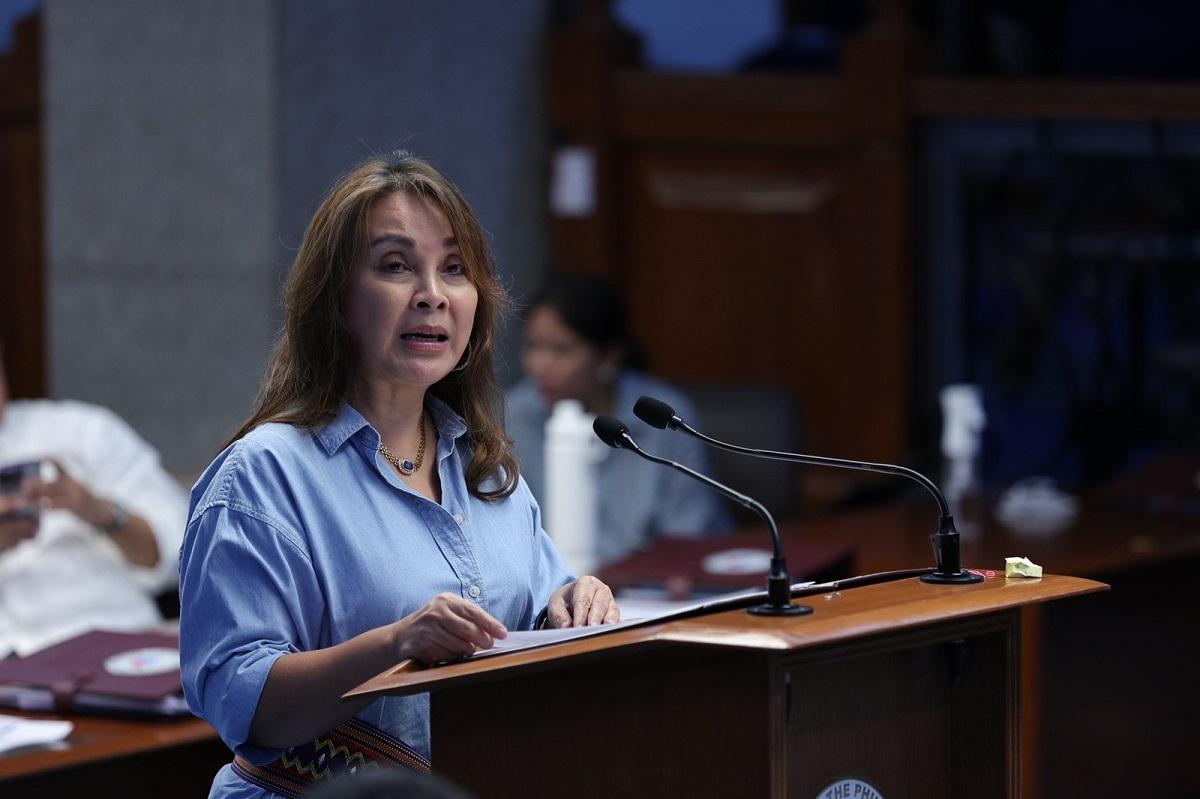
Several senators on Tuesday questioned the much higher cost of classrooms built by the Department of Education (DepEd) and the Department of Public Works and Highways (DPWH), as compared to those constructed under partnerships between local government units (LGUs) and the private sector.
During a hearing of the Senate committee on basic education, DepEd Assistant Secretary Aurelio Paulo Bartolome said that building one classroom typically ranges between about P2.6 million and P3.8 million.
Former Dumaguete City Mayor Felipe Remollo, however, revealed that in their area, the cost per classroom built under partnership with several non-governmental organizations only averaged at P1.5 million. Meanwhile, classroom construction that was funded by the Dumaguete local government averaged at P2.1 million.
In Iloilo, panel chairman Senator Bam Aquino disclosed that locally funded classrooms averaged P1.35 million.
“I cannot imagine, Mr. Chair, for the life of me, almost double [‘yung cost]. So, the backlog in classrooms, it will be halved with the budgets that we have. Makakalahati po kung ‘yung contractors ng pribadong sektor na donors nila ang gagawa,” said Senator Loren Legarda.
(I cannot imagine, Mr. Chair, for the life of me, the cost is almost double. So, the backlog in classrooms will be halved with the budgets that we have. The backlogs will be halved if we tap the contractors of the donors of the private sector.)
Cost
Aquino, meanwhile, emphasized that the national government must identify the right price for classroom construction in a bid to address the education sector’s longstanding problem with classroom backlogs.
“Eventually, aabot tayo sa drilling down of even cost of materials. Ako gusto ko malaman kahit cost ng semento, cost ng bakal, cost ng pako, cost ng kahoy. We need to find out para ma-compare talaga natin, then we can see kung justified ba talaga ‘tong bigger cost ng gobyerno compared to LGUs and the private sector,” the senator said.
(Eventually, we will reach the drilling down of the cost of materials. I want to know the cost of cement, steel, nails, and wood. We need to find out so we can really compare and see if the government's bigger cost compared to LGUs and the private sector is really justified.)
“Hopefully, we can move forward and really provide the best value for our students. Kasi tama si Senator Loren, kung magagawa natin ito at P1.5 million to P2 million, parang dumoble ‘yung kaya nating mabuo na classroom. I think this is something we can all get behind,” he added.
(Senator Loren is right—if we can construct classrooms at P1.5 million to P2 million, maybe we can double the number of classrooms we can build.)
During the same hearing, Senator Raffy Tulfo also raised concerns about the lack of toilets per storey in public school buildings, saying that it will take a student at least 10-15 minutes to go to the bathroom and back to the classroom.
Tulfo thus appealed for increased funding for the construction of classrooms and other essential school facilities.
Education budget
According to Senator Sherwin Gatchalian, chairman of the Senate committee on finance, a P413 billion budget allocation is needed to solve the classroom shortage nationwide.
“To date, meron tayong kulang na halos 165,000 na mga classrooms. Para lang mahabol itong pagkukulang natin at kung ito ay sinuma natin in peso value, lalabas almost P413 billion ang kailangan natin,” he said.
(To date, we lack about 165,000 classrooms. We will need almost P413 billion to address this problem.)
Gatchalian previously affirmed that the 2026 national budget will prioritize the education sector.
Education Secretary Sonny Angara had also warned that it may take more than half a century to resolve the 165,000 classroom backlog if the government sticks to its current pace of construction. —VAL, GMA Integrated News

