

 GMA Brandtalk
 Tracking
 Archives

Senate to Malacañang: Revert 35% tariff on imported rice
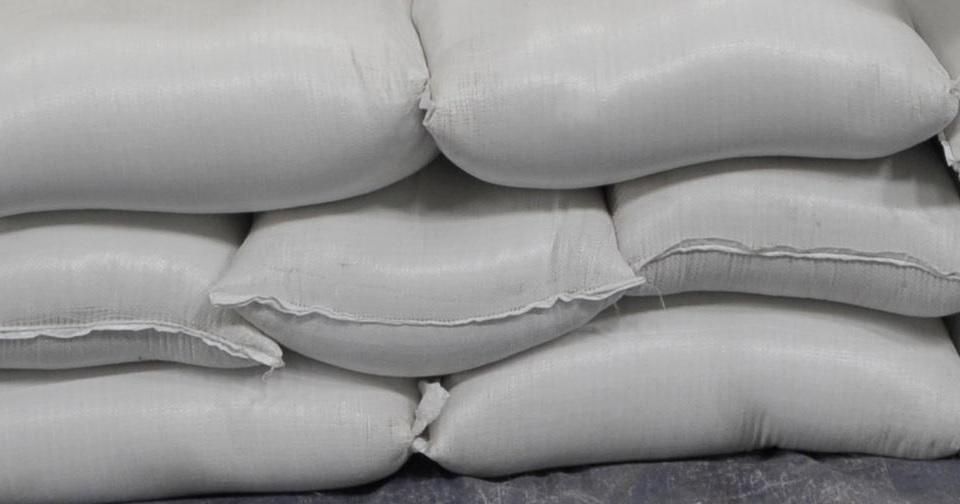
The Senate has adopted a resolution requesting Malacañang to revert the tariff rate on imported rice to 35% from the current 15% in a bid to stabilize the domestic market, mitigate rice industry losses, and restore government revenue.
Based on proposed Senate Resolution No. 145 introduced by Senators Francis “Kiko” Pangilinan and Juan Miguel “Migz” Zubiri, reinstating the 35% tariff on imported rice is a necessary policy measure to also support the livelihood of millions of Filipino farmers.
“[T]he farmer groups have urged the reinstatement of the 35 percent tariff rate since [Executive Order] No. 62 has failed to achieve its objectives of price reduction and had instead destabilized the livelihood of over 3.4 million Filipino farmers,” the resolution read.
The Senate adopted the resolution during its plenary session on Wednesday afternoon to appeal to the Palace to reinstate the higher rice tariff to protect Filipino farmers.
Issued in June 2024, President Ferdinand “Bongbong” Marcos Jr.’s Executive Order 62 slashed the tariff rate for the grain to 15% from 35%. It mandates a periodic review of the tariff rates every four months upon the order's effectivity in July last year.
In August, Marcos ordered a 60-day halt to the importation of regular milled and well-milled rice, set to last until October 30, 2025.
However, the Department of Agriculture said it is looking at extending the ban on rice imports until the end of this year due to the continued slowdown in prices of palay or unmilled rice in the country.
Pangilinan, chairman of the Senate committee on agriculture, food, and agrarian reform, lamented that the 60-day importation ban on rice will soon end, and farmers will again face struggles in competing with the prices of imported, cheaper rice.
“Panahon na para itaas ang taripa, ibalik sa 35% dahil ang laki ng kinikita. Mababa ang taripa, mababa ang presyo ng bigas sa world market, ang laki ng kita ng mga importer,” the senator said in his privilege speech. (It's time to raise the tariff back to 35% because it has bigger revenue. When the tariff is low, the price of rice is low in the world market, and it is the importers who benefit.)
Pangilinan pointed out that in the four months since EO 62 was signed, government revenue from tariffs went down by P9.24 billion.
In a year, he said the government lost P27 billion, which could have been used to augment the Rice Competitiveness Enhancement Fund (RCEF) meant to provide financial and logistical assistance to farmers. — JMA, GMA Integrated News

