

 GMA Brandtalk
 Tracking
 Archives

15,000 doses of injectable PrEP for HIV protection to arrive through PH-US deal
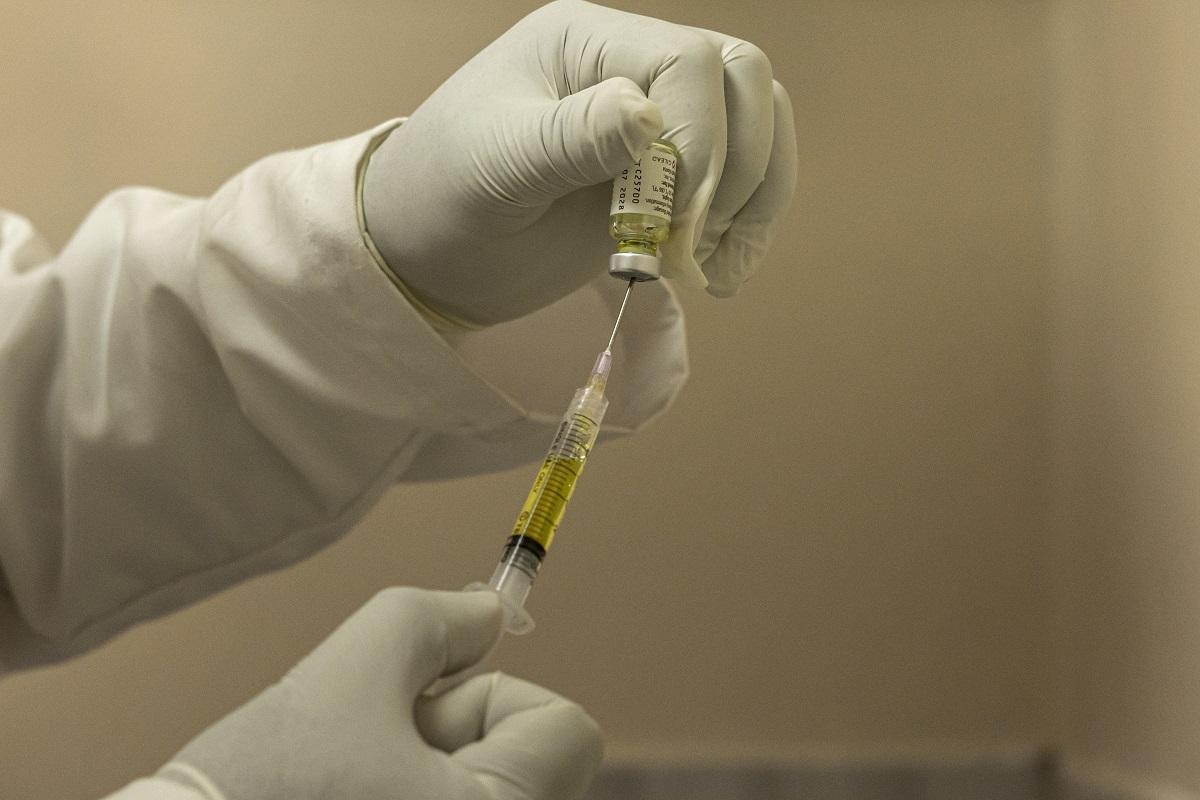
A total of 15,000 doses of injectable Lenacapavir (LEN) for use as a pre-exposure prophylaxis (PrEP) against HIV are expected to arrive in the country through a Philippine-United States partnership, the Department of Health (DOH) said Monday.
In a social media post, DOH said the doses will be available free of charge at selected HIV care facilities across the country.
“Ang Lenacapavir or injectable PrEP na ito ay isang donasyon at libre pong makukuha po sa lahat po ng facilities po natin na ma-se-select or mapipili. Ang HIV ay preventable at treatable,” said Jan Derek Junio, DOH HIV/AIDS and STI program manager.
PrEP is among the most effective methods to stay protected against Human Immunodeficiency Virus (HIV), which attacks the immune system, particularly cells that help the body fight infections.
The virus may spread through unprotected sex, sharing of injections, blood-to-blood transfusion, or even maternal-to-fetal transmission during pregnancy.
READ: 99% protection vs HIV: What is Pre-Exposure Prophylaxis or PrEP and where can you get it?
Unlike oral PrEP, which is regularly taken one pill every day, LEN is administered once every six months for people who test negative for HIV.
“Ang LEN ay isang long-acting injectable PrEP na ibinibigay lamang kada anim na buwan para sa mga taong negatibo sa HIV test. Batay sa pag-aaral, ang LEN ay ligtas at 96% effective kontra HIV infection,” DOH said.
(LEN is a long-acting injectable PrEP administered only once every six months for individuals who test negative for HIV. Studies show that LEN is safe and 96% effective in preventing HIV infection.)
There were 4,277 newly reported cases of HIV in the fourth quarter of 2025, according to DOH data.
Of this total, 4,038 are male, while 239 are female.
Patients aged 25 to 34 years old made up the majority of the newly reported cases, with 45% of 1,929 cases, followed by 15 to 24-year-olds with 32% or 1,361 cases.
There were also 15 patients below 15 years old.
Compared to the third quarter, there was a decrease in newly reported cases from 5,583 in July to September of 2025. — Mariel Celine Serquiña/BM, GMA News

