

 GMA Brandtalk
 Tracking
 Archives

Group seeks review, stricter enforcement of Ecological Solid Waste Management Act
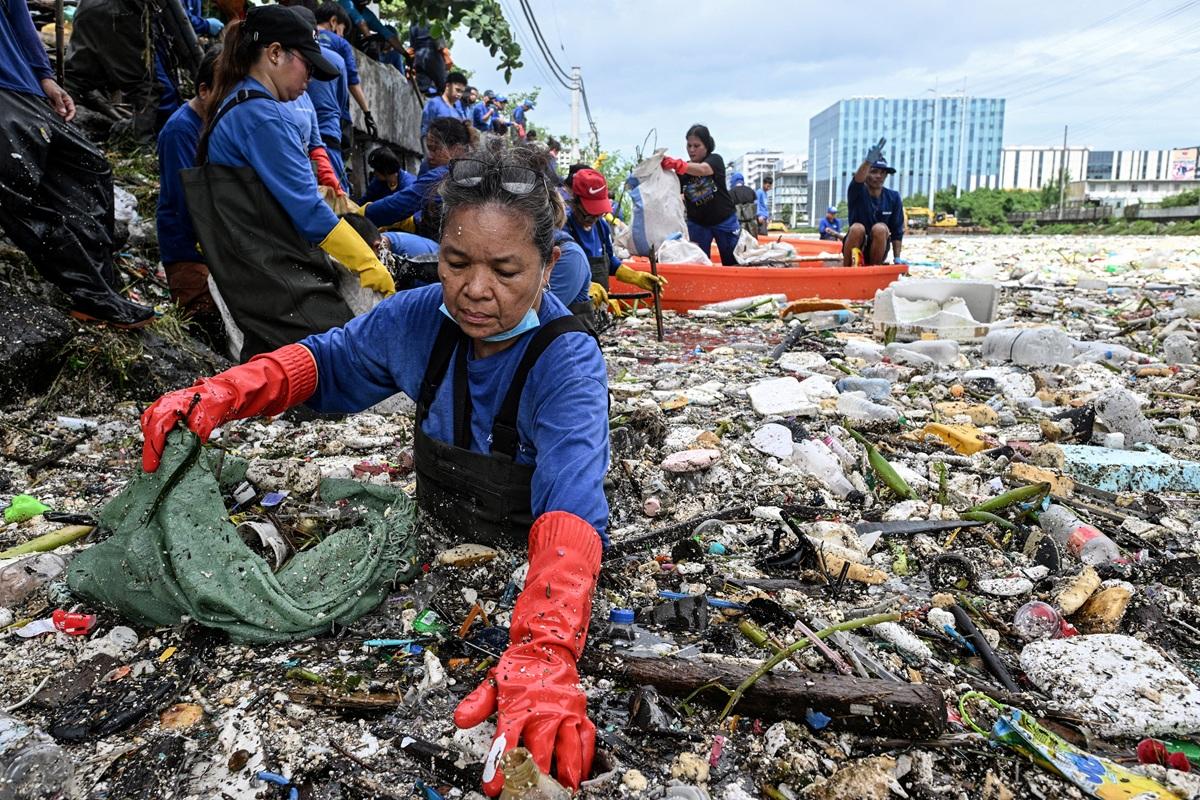
An environmental group has called for the review and stronger implementation of RA 9003, or the Ecological Solid Waste Management Act, after a sea of garbage from Manila Bay ended up in the waterways of Parañaque City.
BAN Toxics said improper waste disposal, inadequate infrastructure, and low public awareness show the need for stronger law enforcement.
Citing the Compendium of Philippine Environmental Statistics in 2025, BAN Toxics said the Philippines had only 20,458 materials recovery facilities despite having more than 42,000 barangays.
“We also urge the government and Local Government Units (LGUs) to strengthen public education on proper waste management. Yes, waste management is a shared responsibility, but it can only be achieved through proper education and access to adequate waste facilities,” said Thony Dizon, advocacy and campaign officer of BAN Toxics.
BAN Toxics also called for the formalization and integration of informal waste workers into local waste management systems.
This includes providing them with social and health benefits, training, support, proper equipment, and safe working conditions, Dizon said.
“Informal waste workers segregate waste, recover recyclable materials, and earn a living from discarded materials. We must recognize their vital role in waste recovery and recycling,” Dizon said.
This week, the Redemptorist Water Channel along the Baclaran River went viral after tons of garbage were seen floating following the torrential rain in Metro Manila.
No to waste-to-energy
As a move to address the growing waste in landfills and the energy crisis, the Marcos administration is working to establish waste-to-energy facilities. The Department of Energy announced that it will hold an auction in October for waste-to-energy projects.
According to the United States Energy Information Administration, waste-to-energy plants burn garbage to produce steam, which will be used to power an electric generator turbine.
However, for BAN Toxics, the waste-to-energy initiative is a “false solution to address the root causes of waste generation.”
“Framed as a renewable energy source, waste-to-energy is a false solution to address the root causes of waste generation. Burning waste contributes to greenhouse gas emissions and can release hazardous pollutants,” Dizon said.
Instead of waste-to-energy, Ban Toxics is promoting zero-waste approaches focused on reducing waste and eliminating plastics at the source. — Mariel Celine Serquiña/BM, GMA News

