

 GMA Brandtalk
 Tracking
 Archives

OPINION: The new independence movement is on two wheels
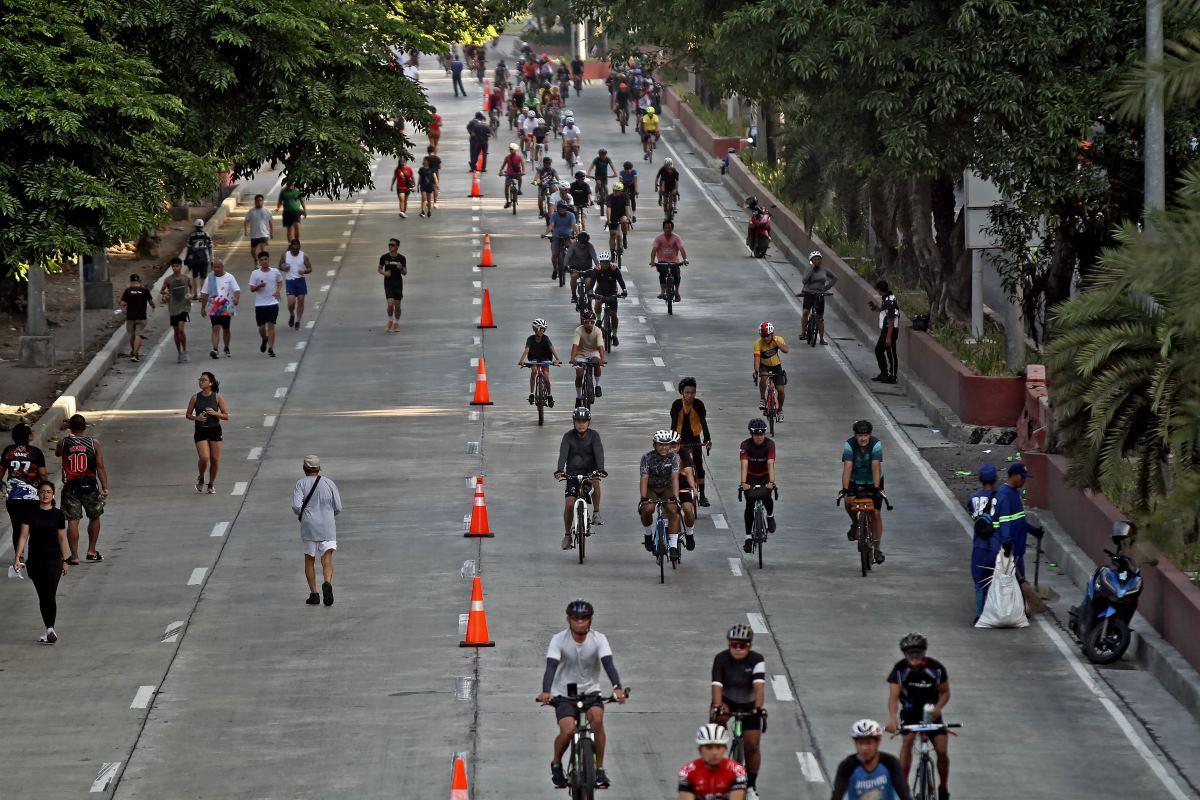
Cycling continues to be dismissed as merely a pandemic trend or a weekend hobby. In reality, pedaling on two wheels is important since 94 percent of Filipino households do not own cars, according to a Social Weather Stations survey conducted in 2022. However, our streets continue to be designed to move cars rather than people.
Advocates are doing their share through the Workers’ Bike Bus. Organized by 350 Pilipinas on behalf of the Mobility Awards and piloted by 60 worker-cyclists in Quezon City last June 4, the initiative was a powerful display of Bayanihan sa Daan (communal unity on the road) to create safety in numbers.But community solidarity cannot replace state responsibility. While Bayanihan sa Daan highlights the enduring strength of the Filipino spirit, it exposes a grim reality: a human shield should not be required just to survive a rush-hour commute. We must pivot from romanticizing commuter resilience to demanding more infrastructure for active transport.
Cycling is our modern-day independence movement, with cyclists leading the fight for three freedoms.
First is freedom from the scourge of imported oil. Our commutes are held hostage by volatile fossil fuel prices. Every time geopolitical tensions rise, the cost of living spirals along with it. Still, the broader energy crisis is rarely linked to our transport vulnerabilities.
A shift to active transport builds national energy resilience. By investing in better walking and cycling infrastructure, we shield our workforce from oil-driven fare shocks.
Next is freedom from the tyranny of traffic. Gridlock in our megacities is a thief; it steals hours of rest, family time, and livelihood, especially from those enduring intercity commutes. Car-centric urban planning holds the majority hostage to the convenience of a privileged few.
The Workers’ Bike Bus indicts this imbalance. Cycling inherently optimizes public roads and reclaims time. By breaking gridlock through dedicated infrastructure, we ensure road space actually reflects the demographics of the people using it.
Last but not the least is freedom of movement for all. A person should not need to afford a car, motorcycle, or ride-hailing app just to cross town because public transit is inaccessible. Cycling changes urban transit from a privileged luxury to a fundamental right.
However, true freedom cannot exist if roads remain hostile to our most vulnerable. When a student, a female worker, or a beginner cyclist is forced to brave chaotic traffic unprotected, their fundamental right to the city is denied.
Since 2020, the Mobility Awards has proven that progressive local governments, workplaces, and businesses are ready to pave the way, with the awards pushing them to outdo one another in building localized bike networks, secure parking, and end-of-trip facilities. Yet these efforts highlight a glaring fragmentation: a cyclist can enjoy a protected lane inside an award-winning city, only to be thrust into a highway death trap the moment they cross boundaries.
And while the Workers’ Bike Bus offers some level of protection to intercity cyclists, it is a band-aid on a gaping wound. Despite early policy gains and local momentum, national fiscal commitment has severely faltered. The active transport budget has seen a cliff drop of over 94 percent from its P2 billion peak in 2022 to just P60 million in 2025 and P105 million in 2026.
The state must fulfill its fundamental responsibility to safeguard its people. Blueprints like the Active Transport Strategic Master Plan and programs like the GSIS Ginhawa Bike and E-Mobility and E-Mobility Loan are commendable; the government would do well to complement these initiatives with a massive budget allocation toward an integrated and interconnected active transport system.
Another Bike Bus is set for June 11, Independence Eve, recognizing cyclists as today’s heroes. However, they should not be asked to risk martyrdom just to get to work or school. Government must keep building the safer, freer future that all Filipinos deserve.
Amber Garma is the national coordinator for the Mobility Awards.

